

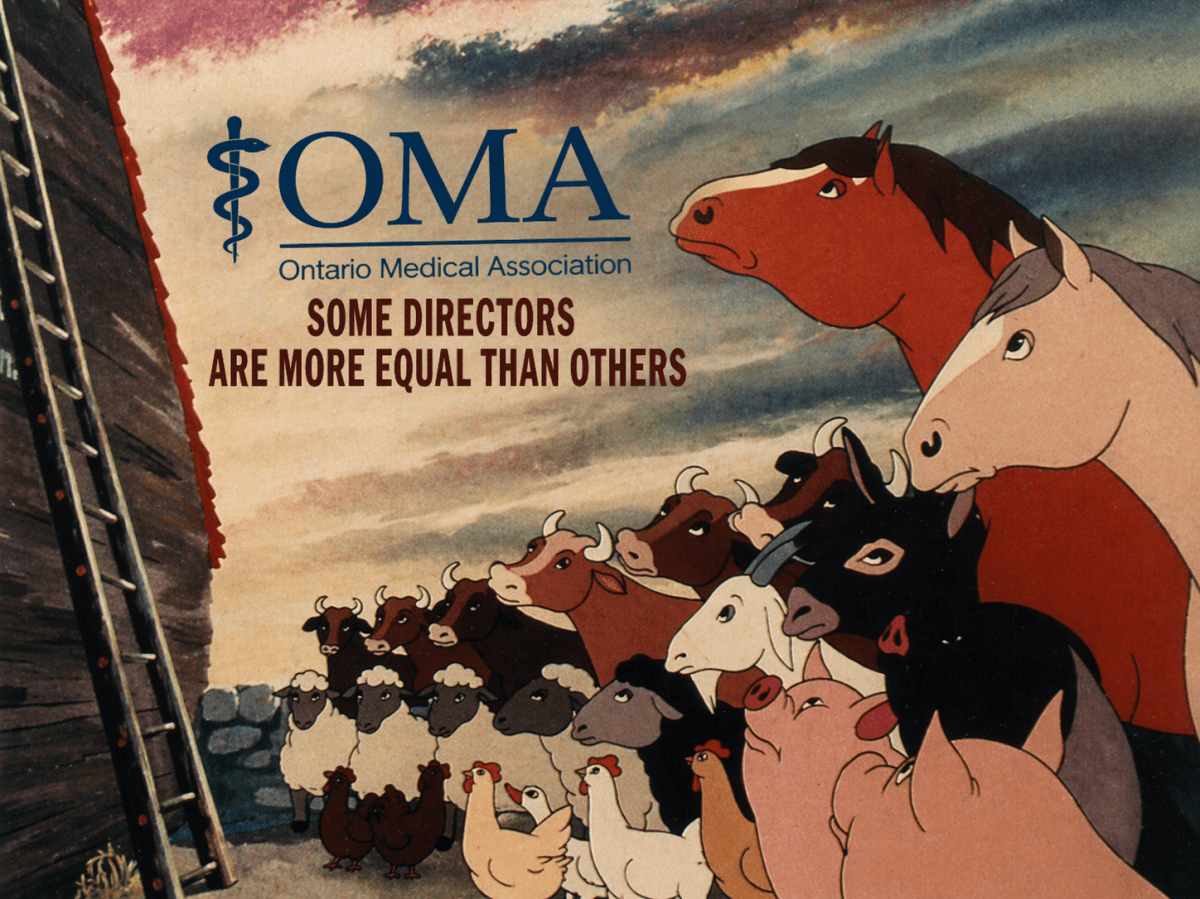
I was thinking about what to write about the current state of the Ontario Medical Association (OMA). Being of a certain age, my mind went back to the classic George Orwell book, Animal Farm. It tells the story of how a group of animals were not well represented by Farmer Jones. They wound up rebelling against Jones and took over the farm.

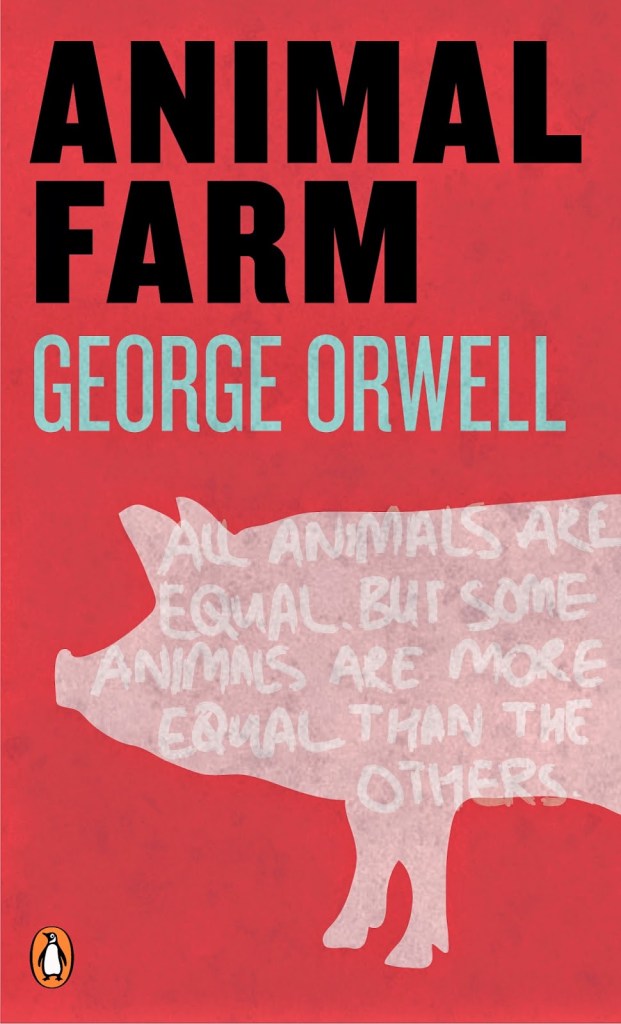
In the aftermath of the revolution, attempts were made to reform the farm so it could advocate for and protect all animal citizens. The guiding principles were the seven “commandments” that every animal agreed to abide by. The most important being, “All animals are equal.”
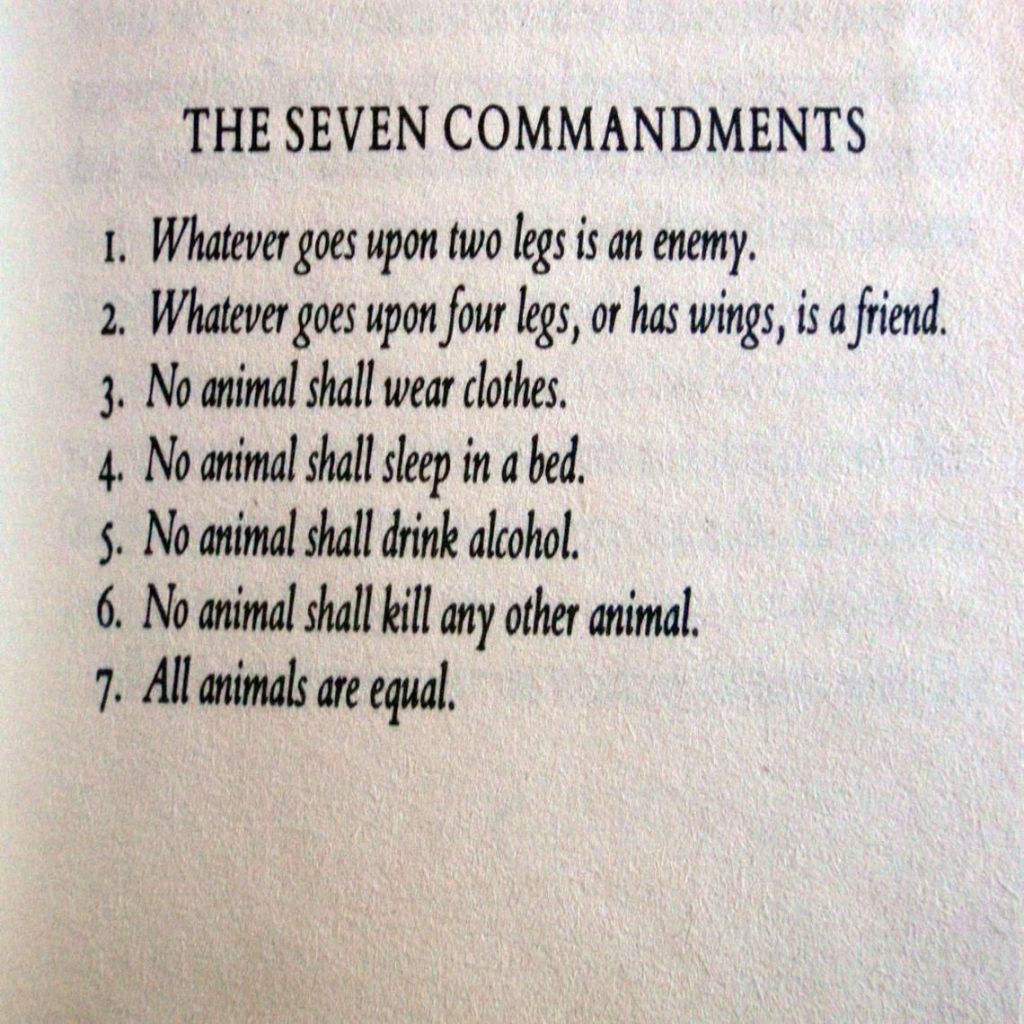
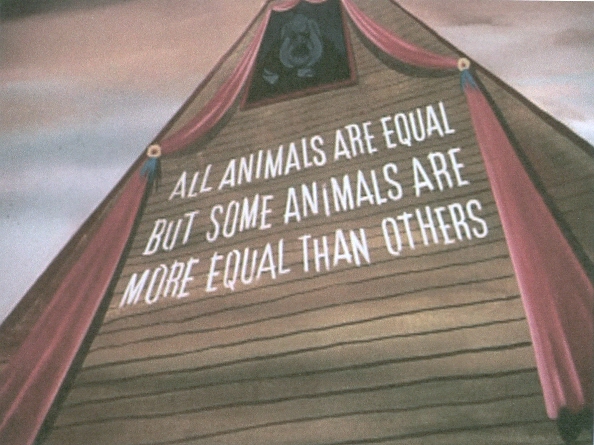
However, some vested interests began to manipulate the situation. The pigs eventually took over the running of the farm and bent the rules to their own advantage. When the rest of the animals went to complain, they found the most important commandment had been re-written to “All animals are equal, but some animals are more equal than others.”
It would of course be ridiculous to suggest that the OMA is a drunken, abusive farmer. It would be even more ridiculous to suggest that the staff of the OMA have the malevolence of Mr. Jones. The staff there are well-intentioned, good people. However, as my friend Greg Dubord pointed out to me, there is something that’s inherent in all organizations known as the “iron law of oligarchy.” Essentially, organizations eventually think of themselves first, not their members.
So it is with the OMA.
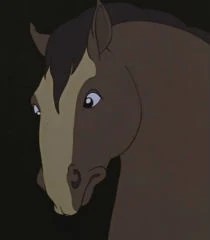
Our “revolution” did not have Old Major, or Snowball, or Boxer. We did, however, have Dr. Shawn Whatley, who famously resigned from the Board when he recognized that the association was going off the rails. We had Dr. Nadia Alam who inspired a legion of physicians by her activism. We had 25 brave Council delegates who successfully called for the first ever vote of non-confidence in the leadership of the OMA. There were a lot more but you get the point.
In the aftermath of the revolt that booted out the Board Executive in 2017, there was a strong desire to modernize and improve the OMA. A significant change in the governance structure was enacted. To this day, I support a lot of the principles and rationale behind that change. And there was a strong desire to ensure that the membership had the power to oversee the association and correct it if things went wrong.
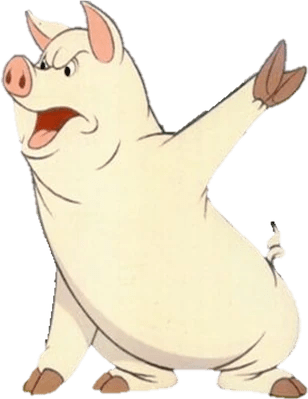
We never encountered an evil character like Napoleon the pig. Rather the “iron law” principle itself became our nemesis. Organizational desire to protect itself, not members, began manipulating processes that were put in place into something much different than intended by the rebel physicians.
Nowhere can this be seen more obviously than in the selection process of non-physician board directors. Initially (2021), there was a genuine open election. Non-physician candidates competed alongside physician candidates and were subject to the same member vote.
However, only two years later (!) the process began to diverge. Non-physicians directors seeking a further term were presented for “ratification” as a reappointed director, as opposed to running for a competitive re-election like physician Board Directors are required to. This year the process evolved further. The AGM materials confirm that rather than a standalone ratification vote, non-physician reappointments are woven into the AGM business as a simple “yes/no” matter.
The OMA’s own communications make it clear. What began as a fully competitive open election process for non-physician directors has gradually shifted to a board-managed reappointment track. But physician directors continue to face competitive, multi-candidate elections chosen by the membership. (The physician candidates were also screened by a supposedly independent third party before being “allowed” to run, but I‘ve already gone over that in a past blog.)
In essence, some Board Directors are more equal than others.
The OMA also realized that by changing this process, they could have a stronger hand in selecting non-physician board directors. They could select board directors that on paper had significant skills, but would perhaps more in line with a corporate philosophy.
One senior OMA executive told me that in the corporate world, there is no running for elections on Boards. The organization recruits who they feel is best and “people of that calibre” don’t submit themselves to votes. “I certainly wouldn’t.” I’m happy for that executive, and wish them luck. However, all those other organizations are not member driven organizations, they are corporate organizations beholden to shareholders.
In a member driven organization like the OMA, there needs to be some degree of political and strategic oversight of the staff. This is not a bad thing. Again, the staff are well-intentioned and want to help physicians. But they need a strong, independent Board to guide them and set strategy. To let them know what will not work for members.
This cannot happen if a block of Board Directors are non-physicians, and worse, have been selected by the OMA (I don’t buy the independent third party bit and neither should you). The voting Board Directors need to be truly independent practicing physicians. This is why Dr. Paul Conte is making four motions at the Annual General Meeting on May 7, with the goal of eliminating the positions of non-physician Board Director, so that once again, all Board Directors will be equal. If successful, this would constitute a sort of “mini” revolution after the big one in 2017. (Full disclosure – I’m seconding all the motions).
Since there are no proxies allowed, I would once again encourage all Ontario physicians to register for the AGM by clicking on this link. You can attend virtually, and make your vote count.
At the end of the book version of Animal Farm, the animals realize that despite their best efforts, they are once again subjugated and really no better off and live in despair. The 1954 movie version changes the ending into something somewhat more hopeful. The animals are once again able to unite, and launch a second “mini” revolution, like Dr. Conte wants to.
Will the OMA follow the path of the book or the movie? We’ll find out on May 7.

 justanoldcountrydoctor
“The conch doesn’t count at this end of the island”
LikeLike