Wasaga Beach’s Much Needed Nursing Home Reveals Haphazard Government Bureaucracy

Recently, the Ontario government announced a hundred million dollars of new funding towards a new, 288 bed nursing home in Wasaga Beach. What’s really impressive is that the project is already ready to put shovels in the ground. Construction is expected to begin in late 2026, and it’s anticipated that the first residents will be welcomed in 2029. This will become the largest nursing home in the South Georgian Bay region.

To be abundantly clear, Ontario does need more nursing home beds. In 2017, I wrote about the then desperate need to build 35,000 nursing home beds. For reasons that I can’t fathom, the previous Liberal governments never really did anything to build up healthcare infrastructure, despite the fact that we had a growing and aging population. That particular government seemed to think that the healthcare needs of the population would simply fix themselves.

I’ve been critical of some of the things that the current Conservative government has done in health care, but they do deserve credit for significantly ramping up healthcare infrastructure builds. Whether it’s new hospitals being built, new equipment like MRIs being purchased, and yes, finally building new nursing homes, this particular government has recognized that you simply can’t provide healthcare to an aging and growing population without increasing the capacity of the infrastructure.

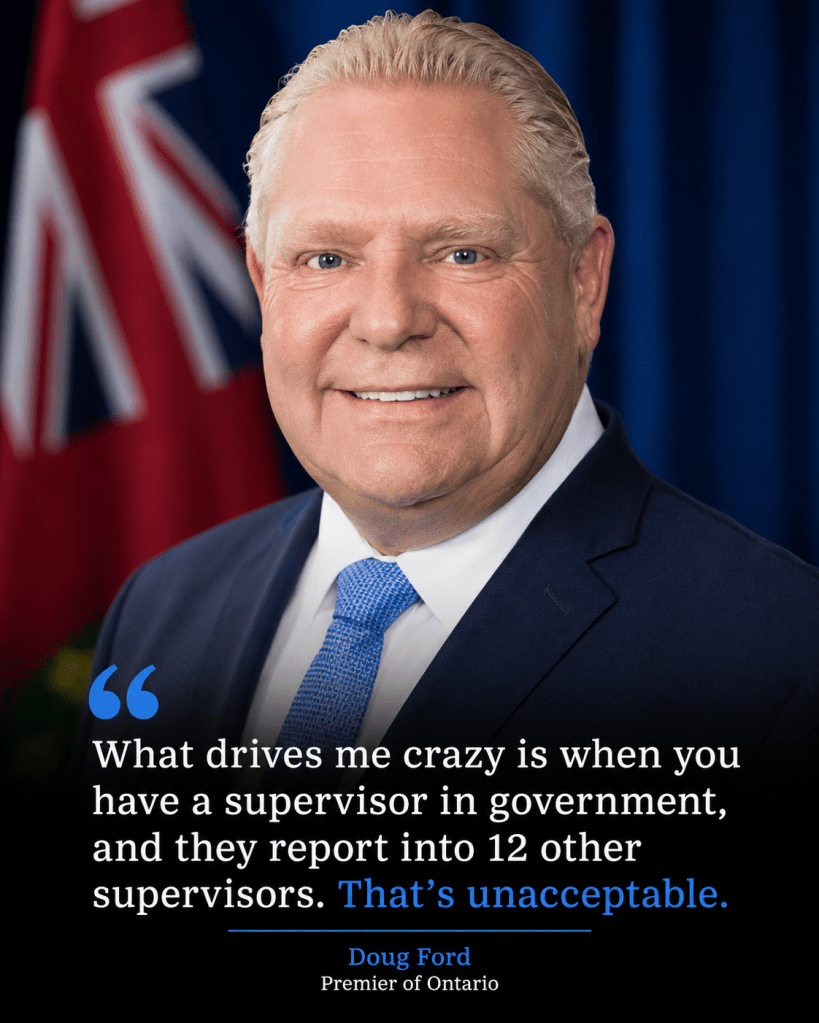
However, I continue to be frustrated by the fact that a government whose leader is famous for having made extremely critical comments of overlapping and haphazard bureaucracy, hasn’t done more to get the various facets of the healthcare system to be streamlined and work together.

The Wasaga Beach Nursing Home (as much as it’s needed and should be built) is a perfect example of this.

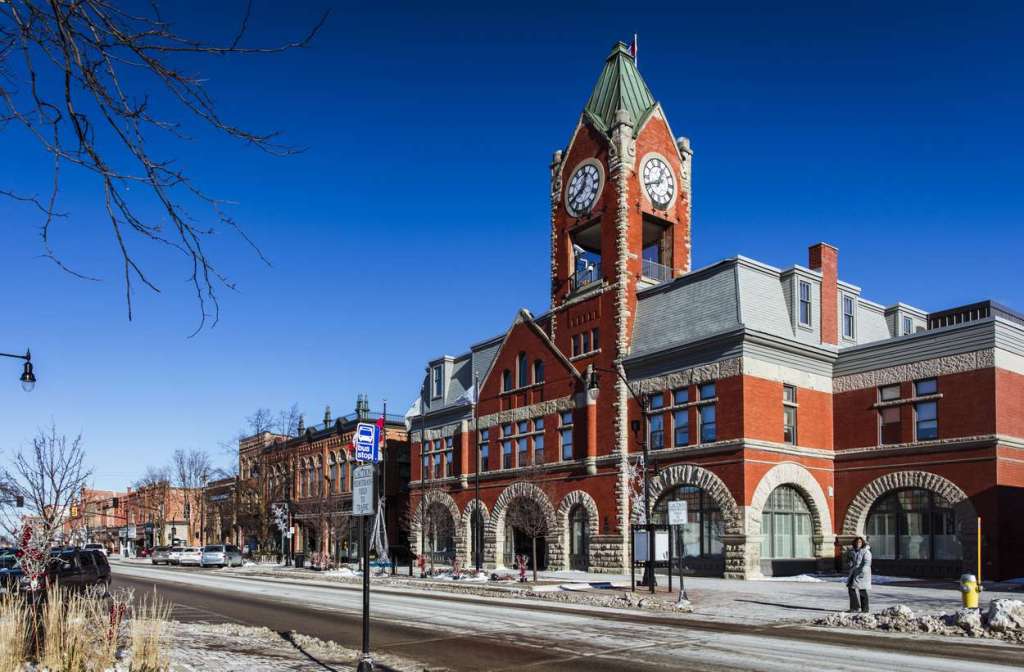
Nursing homes, by definition, have complex patients with significant health care needs. Some of them, will get sick and will need to be transferred to the nearest hospital Emergency for assessment. For Wasaga Beach, this means the Collingwood General and Marine Hospital (CGMH). Being complex patients with multiple health needs, some will be admitted to hospital.

However, as of 2024/25, the CGMH already showed over 39,000 ER visits (up 8% from the year before!) Their inpatient status showed overcapacity for the entire fiscal year. All hospitals have fluctuations and times where they are more full than others, but to be overfull for an entire fiscal year is extra ordinarily busy.

How much more stress will be added to the CGMH by the new nursing home?

Trying to find reasonable data is painfully difficult. I searched a number of sites, but the best that I could come up with was a 2018 analysis. Yes, there was fluctuation during Covid, but we are back to pre-Covid numbers. Crunching a lot of numbers (so that you, dear reader, don’t have to) gives the following, what I consider to be reasonable, projections:

  • The CGMH can expect about 160 ER visits per year from the new nursing home. These patients are very complex so their ER visits will take much longer. (By comparison, 288 seniors who live independently in the community would only result in 58 ER visits per year).
  • Given that just under half of all nursing home patients who go to the ER wind up getting admitted to hospital, we are looking at about 75 more admissions to hospital per yer.
  • It was even tougher trying to find out how long patients who are admitted to hospital from a nursing home will stay in hospital. That link above had some information, but hardly enough to be accurate. The best guess I could come up with was between 5-7 days per admission, so if we go with 6 days in hospital on average, we’re looking at about 450 days in hospital per year.

Now let’s keep in mind that the CGMH is already full. We no longer have hallway health care. We have chair health care (the hallways are full). So where are these patients going to go? (N.B. I do appreciate that there might be some relief as some of our hospitals Alternate Level of Care patients will now have a nursing home to go to – but I’m going to make an educated guess that the stress on the hospital will outweigh the benefit).

My three loyal readers might be aware of the fact that Collingwood is getting a new hospital. Once again, kudos to the current government for approving a badly needed new facility. However, there are still a bunch of bureaucratic approvals needed, and shovels won’t go into the ground until at least the fall of 2028. Hopefully, the project will be complete in 2033 (because government run projects always come in on time).

And this is the part that really drives physicians and healthcare workers crazy. Could there not be some common sense in the eyes of the bureaucrats at the ministry of health who approve these projects? If you are able to approve shovels in the ground by this fall for the nursing home, why can’t you do it for the hospital? You know that patients from the nursing home are going to wind up in hospital and stress an already overburdened place. You know that the new hospital’s been approved. Why doesn’t the Ministry of Health co-ordinate the builds? Do these bureaucrats from each department (hospital and nursing home) not talk to each other? (Having been involved in many meetings with many bureaucrats at different branches of the ministry when I was president of the Ontario Medical Association, I can tell you the answer to that is no.)

Overbureaucratization of our health care system has been a problem for decades now. It’s been unrelenting and farcical at times. The Wasaga Beach nursing home, as needed as it is, is just one more example of this. It’s where the real silos exist in health care and our system will not improve until we get a government that is willing to tackle the bureaucracy.

RePost: Hoskins Fails to Understand the Health Care System

NB: This article originally appeared in the Huffington Post on May 4, 2017. I am reposting on my own website as Huffington Post Canada has shut down and I want to preserve the article in case needed in the future.

Last week, the Ontario Liberal Government released the specifics of the 2017-2018 Budget. From a health care perspective, what became startlingly evident, was that the Liberals seem to be unable to comprehend exactly how the health care system functions. They are seemingly unable or unwilling to look at the big picture when trying to solve problems.

By Dr. Sohail Gandhi, Contributor

Last week, the Ontario Liberal Government released the specifics of the 2017-2018 Budget. Advertised as a prescription for a “stronger, healthier Ontario”, the budget had all the usual darts and laurels typically thrown at a pre-election budget. The Liberals claimed they balanced the budget and were making necessary investments. Their critics claimed not

From a health care perspective, what became startlingly evident, was that the Liberals seem to be unable to comprehend exactly how the health care system functions. They are seemingly unable or unwilling to look at the big picture when trying to solve problems.

Let’s look at hospital funding. That hospitals in Ontario are under enormous stress is unquestioned. Stories of overcrowded emergency departments, long wait times, patients lying in hallways for days on end are rampant in the media. Additionally, budget pressures on hospitals continue to result in nurses being laid off despite the fact hospitals are full. Concerns raised years ago about how this will lead to adverse patient outcomes, are sadly now coming true.

In response, Ontario Health Minister Eric Hoskins has been repeatedly stating that he has ensured that hospital funding increase by $518 Million next year. A large number, but it represents only a three per cent increase in the hospital budget, which totals about $17.2 BILLION dollars (and Hoskins thought doctors were expensive!). It is also less than hospitals had asked for.

I won’t begrudge hospitals extra money. They have been starved under austerity level budgets during Hoskins leadership. But is throwing money at hospitals the only way to solve the problem? Is it the best solution?

However, one of the main issues that hospitals face is the persistently high rate of Alternative Level of Care (ALC) patients. The official definition of ALC is pretty complicated. The simple definition is patients are well enough to be discharged from hospital, but not well enough to return to their own home. The majority of ALC patients are waiting for nursing homes.

The rates of ALC patients vary in different parts of Ontario, but the provincial average is around 15 per cent. This means that if you have a hospital with 100 acute care beds, fifteen will be occupied by patients who should be in a different facility, usually a nursing home. But because there aren’t enough nursing home beds, they’re stuck in hospital.

So, when a patient comes to the Emergency department with, say severe abdominal pain due to internal bleeding, and needs to be admitted to hospital, a large part of the reason why she waits for 5 days in a hallway, is that there are no nursing home beds for the patients currently in hospital to go to.

Despite the fact that it is widely acknowledged Ontario is greying and that our percentage of seniors will rise to almost 18 per cent by 2021, there appears to be no discernable plan to actually build more nursing homes. In fact, the only investments that I can find are those to renovate existing beds. While that’s a nice enough thing to do, and will increase the comfort level of LTC residents (which I think is essential), it won’t offload the overcapacity from hospitals. 

When I was the Health Links lead physician for my area, we were involved in a plan to reduce hospital admissions from nursing homes. As part of that, we found that the cost of a hospital admission was around $975 a day (standard ward bed). The cost of a nursing home? How about $143 a day? Seriously, you can fund seven nursing home beds, for the cost of one hospital bed.

So back to the hypothetical 100 bed hospital. Would it not make more sense to fund fourteen nursing home beds (at the cost of two hospital beds) to take the pressure off the hospital? Especially when we already have a nice mix of private and public companies willing to build LTC homes? And would that not reduce the costs to the hospital because hospitals are chronically paying staff overtime to handle overcapacity situations?

Now in fairness the final solution probably requires a combination of things. Hospitals do have fixed operational costs that increase yearly and need to be accounted for, and shouldget more money. 

But a proper solution must also look at the big picture, and look at creative ways of reducing hospital expenses. Not only do we need 26,000 more nursing home beds right now, but given how our population is greying, we will need 50,000 more in six years. Otherwise the ALC rates will rise, and the Emergency departments will back up more. To not have a plan in place to address this shows a complete lack of comprehension of the stresses the system faces.

EricHoskins appears to only be capable of reacting to crises. Bad news story about hospitals affecting re-election chances? Throw money at them. That’s not good enough. We need leaders that understand how interconnected health care is, and how events in one part of the system, affect others.

The people of Ontario deserve better than what Eric Hoskins is offering.

Were the 2025 Re-Appointments of Non-Physician Directors Compliant with ONCA?

In the aftermath of the Ontario Medical Association (OMA) Annual General Meeting (AGM), I expected the non-physician board directors to resign their roles immediately. I appreciate they have skills/experience that can provide valuable information to the Board. That is a good thing.

But at the AGM, it was made clear physicians don’t want them to have voting authority at a board level. Give advice? Sure. But have a significant block of votes that could sway a close vote at the board? 57% of physicians voted against that.

The OMA has taken a somewhat different approach, going by the exact legal letter of the motion as opposed to the spirit of the motion. Board Chair Sharon Bal announced that the three non-physician board directors would continue on until their terms ended, which in one case won’t be until 2028.

It’s disappointing to me that the integrity to do the right thing is lacking. Reminds me of how the executive at the OMA tried to stay on in the aftermath of the 2017 vote of non-confidence. At that time “only” 55% of Council voted no-confidence, which was short of the 2/3 majority. There too, it was arguably legally correct for them to continue, but wasn’t morally correct. (They eventually resigned a week later).

This mess made me review the Agenda and the minutes for the AGMs. In doing so, I noted something quite odd. The 2025 AGM Agenda did not have a motion to ratify board directors by the membership. The 2025 AGM minutes also show no election/ratification of non-physician directors occurred. Yet two non-physician board directors were automatically reappointed by the OMA. Frontline physicians like myself were not given a choice on this. The 2026 AGM Agenda DOES have motions ratifying the election of all the physician directors, and the reappointment of the non-physician director.

Wondering why the difference, I went and reviewed the Ontario Not-for-Profit Corporations Act (ONCA). I’m weird that way. Section 24(1) states,

“…at the first meetings of the members and at each succeeding annual meeting at which an election of directors is required, the members shall, by ordinary resolution, elect directors to hold office for a term …..”

Note the phrase, “the members shall, by ordinary resolution, elect directors.” There is no exception for reappointment, and no authority granted to the board to simply declare a director routinely reappointed. If there is a vacancy, the Board can, but doesn’t have to, appoint a replacement until the next AGM (Section 28). This was not the case for the OMA in 2025 obviously.

The other exception is…….ex-officio directors. Under section 23, paragraph 4, that states the bylaws of a corporation may provide for persons to be directors by “virtue of their office“. This is current legal term for ex-officio directors. Additionally, there is no requirement for ex-officio directors to vote at the Board, the bylaws can prevent them from doing so.

This annoyed me more, so I looked at the OMA bylaws. (I told you, I’m weird). Article 9.3.3 states:

” …after expiration of director term set out in section 9.3.2, all directors shall be elected to hold office for a two year term.”

The word elected appears without qualification and applies to all directors. There is no provision in the OMA bylaws permitting a board-managed reappointment track for non-physicians. This, of course, does not stop the board from seeking out candidates and somehow preventing other non-physicians from running like they seemingly did this year (they only presented one candidate for the position). But Members have to elect/ratify the candidate.

It’s unclear to me how the Board and their Chair could have allowed this situation to occur. The 2025 reappointments of two non-physician directors were inconsistent with ONCA and even inconsistent with OMA bylaws. Heck, article 12.1 of the OMA Bylaws identifies member election of the directors as a core member right. As a result, their re-appointment appears to be illegal.

Obviously, somewhere along the way, the OMA as a corporation recognized the error in 2025, as in 2026 they presented board directors for ratification at the AGM. My personal view is that this is a tacit admission of the OMA having failed to follow ONCA and OMA bylaws in 2025. But to my knowledge there has not been an “oops, sorry about that” email from the then Board Chair. Worse, the OMA has yet to remedy the 2025 error in the appointments of the two, making it appear that they were trying to sweep this under the rug and hope nobody would notice.

What does this mean? I remember talking to one of the OMA’s external legal counsels at a social event AFTER a meeting. We got to talking governance issues at OTHER corporations. That particular counsel suggested that when appointments/decisions are made in good faith, and without being able to prove that there was malicious intent in any board decisions (apparently a very high bar), reversing or changing any decisions as a result of this would not happen. Similarly, attempting to remove board directors retroactively would be challenging.

There is apparently a remedial path called curative ratification. The OMA could hold a special meeting of the members to ratify the non-physicians. However, considering the outcome of the 2026 AGM, and the revelation that the OMA has sat on this issue with no negative consequences to their legal team, I doubt this will happen.

Given all of this, probably the best way to fix this mess is for both of them to resign early, then have elections where physicians are chosen to replace them. (I would suggest the third should resign as well). This would remove the thorny issue of how legal their re-appointments were to begin with, and frankly do what they should have done in the first place.

Will the OMA do the right thing?

Please Don’t Move to the Georgian Triangle (Collingwood, Clearview, Wasaga Beach)

Wait, doc, what’s this all about? You’re asking people not to move to where you live?!?

Yes. Please don’t move to this area.

But you always tell others how wonderful an area this is!

This is indeed true. I love living here. I consider myself very blessed for having come here 34 (!) years ago. We are a few minutes’ drive away from the world’s longest freshwater beach, a few minutes’ drive away from ski hills. There’s golf, boating, too many outdoor activities to list. I enjoy the trails myself and often bicycle to my office during the warmer months. A true four seasons resort area.

Is the problem the people?

Not at all. The people here are kind, generous and extremely supportive. Plus there’s an old farmers mentality in a lot of them (that’s a good thing). I’m grateful they have allowed me into their lives. It’s an honour to help them.

Is the problem the growth in the area?

I’d be lying if I said I was completely happy with the increase in the population over the past ten years. The towns have gotten quite crowded, and the roads are busy. Bicycling on the roads is now classified as a survival sport. And yes, I have seen traffic jams, which is something I never thought I’d see. But no, that’s not it exactly.

Okay, doc, you’ve got me really confused. What exactly is the issue then?

It’s the healthcare system.

That makes no sense. You’ve often talked about how proud you are of the fact that you were the inaugural chair of the Georgian Bay Family Health Team, and how closely the doctors in the area worked together to form a really cohesive medical community.

This is true. The Georgian Bay Family Health Team, under the leadership of their Grand Poobah (inside joke), Maria LaRose, is, in my opinion, the best health team in the province. The doctors and allied health care staff all work well together. We formed the first community wide Electronic Records system in the Province. It’s still the only one in Ontario that is integrated with other health care partners. It’s the best medical community in the province.

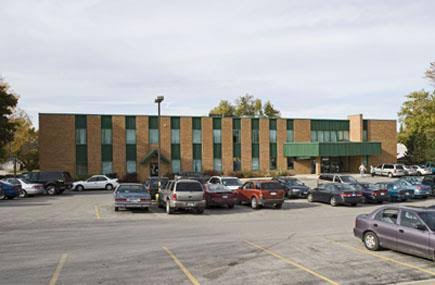
Building with the GBFHT Main office

Okay, so is it the hospital? Goodness knows you’ve had issues with administration in the past.

Actually, we’ve been very fortunate to have better administrators at the hospital the last couple of decades. The nursing staff and other allied healthcare professionals (physiotherapists, occupational therapists, pharmacists, respiratory therapists, and so on – apologies to those I missed) really are excellent and hardworking as a team. They really want to help patients. The problem, of course, is that they are overworked.

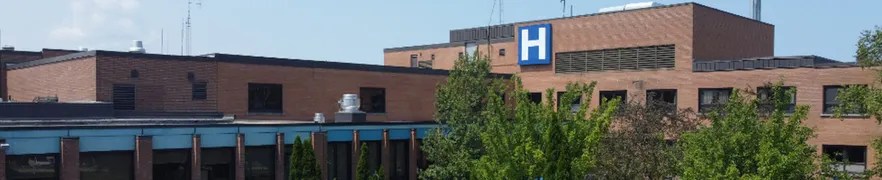
Collingwood General andMarine Hospital

So then your issue is with the capacity of the local healthcare system?

Exactly. You see, currently, we have seven thousand people in our neck of the woods who don’t have a family doctor. If you move to the area, you will be number 7,001. Therefore, you will wind up going to our after hours clinic, or the hospital emergency department, which will increase the stress on those facilities.

This is, of course, not the fault of the individual physicians, nurses, allied health care workers. The blunt reality is the health care infrastructure is not there.

But I thought you guys were building a new hospital?

We are. BUT. We’ve known we’ve needed a new hospital since the early 2010’s, and despite many pleas, won’t start digging until 2029. We are hoping to complete in 2032. Various layers of inept government bureaucracy at the Ministry of Health have thrown many roadblocks in the construction process. As a result, our over burdened hospital puts patients in “unconventional places.

You mean like hallway medicine?

Actually, I believe the term now is “chair care“because even the hallways are full.

Wonderful. Are the local townships not doing enough to recruit doctors?

It’s not really a township responsibility to look after the healthcare system. Now, there are some local efforts (with a bit of success) to get more family doctors in the area. However, that’s a slow process until the wider provincial problems are fixed.

You’re saying don’t come to the Georgian Triangle, but don’t these issues occur elsewhere?

Absolutely. I mentioned the Georgian Triangle just because it’s the area I know the best. Ontario has many beautiful areas for people to live in. Lots of different type of communities to suit all needs from small town, to large urban settings. But, if you currently live in an area where you already have a family doctor and you have a number of health issues, you really may want to reconsider moving until you can assure yourself of getting continuous, comprehensive, ongoing care in the community. Without a local family doctor, you will be getting itinerant care seeing different doctors at walk in clinics or Emergency departments, and that’s not good for your health.

So don’t move anywhere if you already have a family doctor?

Well look, people often have to move for many reasons. Work, family, retirement. I get it. BUT, I would encourage you, if at all possible, to scope out not just the amenities of the area you are thinking of, but also check the local health system out. That is something most people don’t do, they just expect health care to be there for them. That mentality needs to change.

And don’t move to the Georgian Triangle?

Yah, don’t move here. Our doctors (and hospital, and home care) are full.

Why You Should Attend the OMA’s (Continued) Annual General Meeting

Last week, the Ontario Medical Association announced that the continuation of the 2026 Annual General Meeting (AGM) will occur on Tuesday, June 23rd, at 6:30 PM. This meeting will be virtual only. Once again, proxies will not be allowed. I would suggest that it is essential for every member to make an effort to attend.

My three loyal readers will remember that there were six member proposals (4 by Dr. Conte seconded by myself). Only one got voted on at the May 7 meeting, and the remainder will be voted on, on June 23. Regardless of what you may think of the individual motions, I would suggest the fact that members take the time to make proposals, and attend to vote is a good thing. It is important, as I’ve learned over the years, to pay attention to what’s going on at the OMA because so much of our livelihood depends on them.

This year’s AGM is proof of what can happen when members show up and make their voices heard. Now, I was criticized for my blog on the last AGM for calling out the shenanigans that occurred at the meeting. This all surrounded what were in my opinion, the two most important motions.

Both motions pertained to removing non-physicians from having voting authority over physicians at the Board of the OMA. To be abundantly clear, neither of these motions would have prevented the organization from seeking external expert advice on an ongoing basis. Organizations, particularly advocacy organizations like the OMA, do that all the time, as they absolutely should. Physicians are not experts in everything, and seeking out the best possible advice in different areas from experts in their fields is always a good thing to do.

No. These motions would simply have said that after getting the advice, and carefully reviewing it, the voting authority for who makes decisions at the organization should fall only on physicians. Only physicians have innate knowledge and lived in experience of how the healthcare system affects them. Only physicians will inherently know when such advice, well intentioned though it may be, will actually help, or those times when it is unhelpful.

At the last meeting, for reasons that are unclear to me, as I’m not a lawyer, the first motion, which would have removed non-physicians from the Board immediately, required two thirds of a vote. This motion, after much debate, got fifty-three percent. Now, I fully expected some of our colleagues to throw up roadblocks to the first motion. That happened. I won’t do a line by line analysis of that as I don’t think it’s relevant, but if it had just stopped there, I probably wouldn’t have made any comments about “shenanigans” or “the usual suspects.”

What happened was that once it became apparent that the majority of physicians at the meeting did want not want non-physicians voting at the Board level, it became crystal clear that the second motion, which only required fifty percent plus one, would likely pass. A friend of mine, who also attended virtually, commented to me, “I wasn’t in the room, but I swear I could hear the jaws drop and the shock from many of the people in the room.”

Rather than accept that the debate had already been had, that all of the points had already been made, and accept the will of the membership, some of our colleagues continued to try and delay the process and play games. Eventually they succeeded. The meeting was paused and now we have to do it all again. And those are the shenanigans that had me, quite frankly, extremely annoyed.

At any rate, the membership has another chance. If we all show up, we can vote on the second motion and determine if we do, in fact, want a large part of our futures decided by non-physicians. (Non-physicians have just over twenty-five percent of the vote at the board currently).

Other motions that are important for us to decide upon include the director election ballots process. This year marked, as far as I’m concerned, a new low in how the board director elections were run. The OMA screened candidates for board director and limited who could run based on their own criteria, that was fed to a third party firm to try to avoid blame. In essence, the OMA chose who we physicians could vote for. Furthermore, they impugned the reputation of one of the president elect candidates by printing subjective opinions about his social media posts.

The second motion would stop the OMA screening candidates and allow the members to pick who they want leading them.

Other motions include eligibility for board if you had previously held the role of president in the association. Once again, it is really the decision of the members, not the OMA, to rule out who can and can’t run (and yes, there’s a conflict of interest in there for me). There’s also a motion recommending the OMA not access personal tax information. The OMA has never actually accessed personal tax information despite significant misinformation about this. However, I personally see no harm in restating that again. And finally, there’s actually a really good idea asking the OMA to support their districts by sharing email lists in compliance with privacy legislation. Our districts do need strengthening, and this would help with that.

None of these changes, however, can occur without physicians showing up. It will take time. It will take effort. It is a couple of hours out our very busy days. I feel bad asking for members to sacrifice this amount of time, but at the end of the day, if we don’t pay attention to what’s going at the OMA, we will not get the results we deserve.

I encourage all Ontario physicians to register early for the AGM by clicking the link below:

Register for June 23, AGM

Auditor General’s Report on AI Highlights Failure of Ontario’s Health IT Bureaucrats

There’s currently a lot of talk about the recent report from Ontario’s Auditor General on AI Scribes. The headlines seem mostly to be dealing with the fact that she found numerous AI Scribe generated reports had errors. The errors happened for various reasons, including AI hallucinations, transcription errors, incorrect entry of medications and so on.

Ontario’s current Auditor General, Shelley Spence

However, to my mind, that’s not the real story.

I feel somewhat conflicted in saying this next part, mostly because I think I generally have a reputation for being an advocate for physicians, their views and their well being. However, the blunt reality is that we are all required to check any report that’s generated by an AI scribe before we sign off on them. Physicians, being human, will make mistakes. For example, this past weekend, I got a message from a colleague of mine, pointing out an error that had been made in an AI-generated note on a patient I saw. That was my fault for not double checking. I think to try and blame some software for those kind of mistakes would be inappropriate.

No, the real story is the continued ineptitude of the healthcare bureaucrats at the Ministry of Health who are in charge of health care IT systems today. If one does a deep dive into the Auditor General’s report, there are many, many legitimate question she has, all of which the hard-working taxpayers of this province deserve an answer to.

In particular she found gaps in how these AI systems were evaluated by Supply Ontario, Ontario Health, and to a certain extent OntarioMD. Yes there were three agencies all involved, triplicating the amount of work necessary and adding to the confusion.

Heck the issues began right from the initial procurement stage. The weighting given to different criteria revealed a fundamental misalignment of priorities. The accuracy of medical notes generated by AI scribes accounted for only four per cent of points awarded to potential vendors, while domestic presence in Ontario was weighted the highest at 30 per cent. Data privacy/legal controls were weighted at 23 per cent and system security controls at 11 per cent. 

Think about that for a minute. You could have software from a poorly run company, that was completely inaccurate in its transcription and system security, yet still have it approved if it happened to be Ontario based. Yet a company with the best transcription and system security would lose, if it was from out of province. Even Spence was shocked by this, stating, “In my mind, that doesn’t make sense….when we’re dealing with personal information and we’re dealing with artificial intelligence, I think security is of the utmost importance.”

Additionally, the evaluations didn’t actually watch vendors operate the software in real time! There were no live test. Vendors were apparently given recordings and ran the system offline learning. Spence said, “this allowed vendors to potentially overstate their compliance with security and privacy requirements.”

Well, duh!

Worse, 11 of the approved vendors for AI software didn’t actually meet the mandatory submission requirements. They got approved anyway. Five didn’t even submit risk assessments and privacy impact assessments as part of their bid process. They got approved anyway.

This kind of amateurish, ineffectual assessment is supposed to help increase confidence in healthcare IT?

Most damningly, it appears from the auditor general’s report that there is a broad absence of strategic governance. The auditor general benchmarked the AI strategy against Canadian and international public sector organizations and found that there were no specific actionable items, no clear plan to prioritize AI use across ministry areas, and did not identify any prohibited AI practices or areas where technology posed an unacceptable risk.

Essentially, this report paints a picture of Ontario Health/Supply Ontario/Ontario MD approving AI systems through a process that underweighted accuracy, did not require live demonstrations, accepted incomplete documentation and failed to assess bias risk. All while having no clear plan to rectify these gaps going forward.

The thing is, this kind of insanity has been permeating the politics of IT health systems for decades. I’ve written about the bloated and inefficient bureaucracy for years now. The lack of ability to get a truly integrated health care system speaks to a lack of vision and focus in the bureaucracy. It’s incredibly discouraging that it continues unabated after all these years. It seems that no one has the knowledge, wisdom, ability to fire the incompetent bureaucrats, streamline the process by getting rid of multiple agencies, and apply an overarching vision for health care IT.

And yet, instead of fixing the bureaucratic mess first, streamlining health IT infrastructure, and developing on overarching health IT vision, Ontario is instead now going ahead and launching a Provincial initiative to create a province wide primary care medical record system. The people in charge of choosing the software for this? The same bunch who botched the AI scribe issue.

I can’t wait to read the Auditor General’s report on that one in, say 2029.

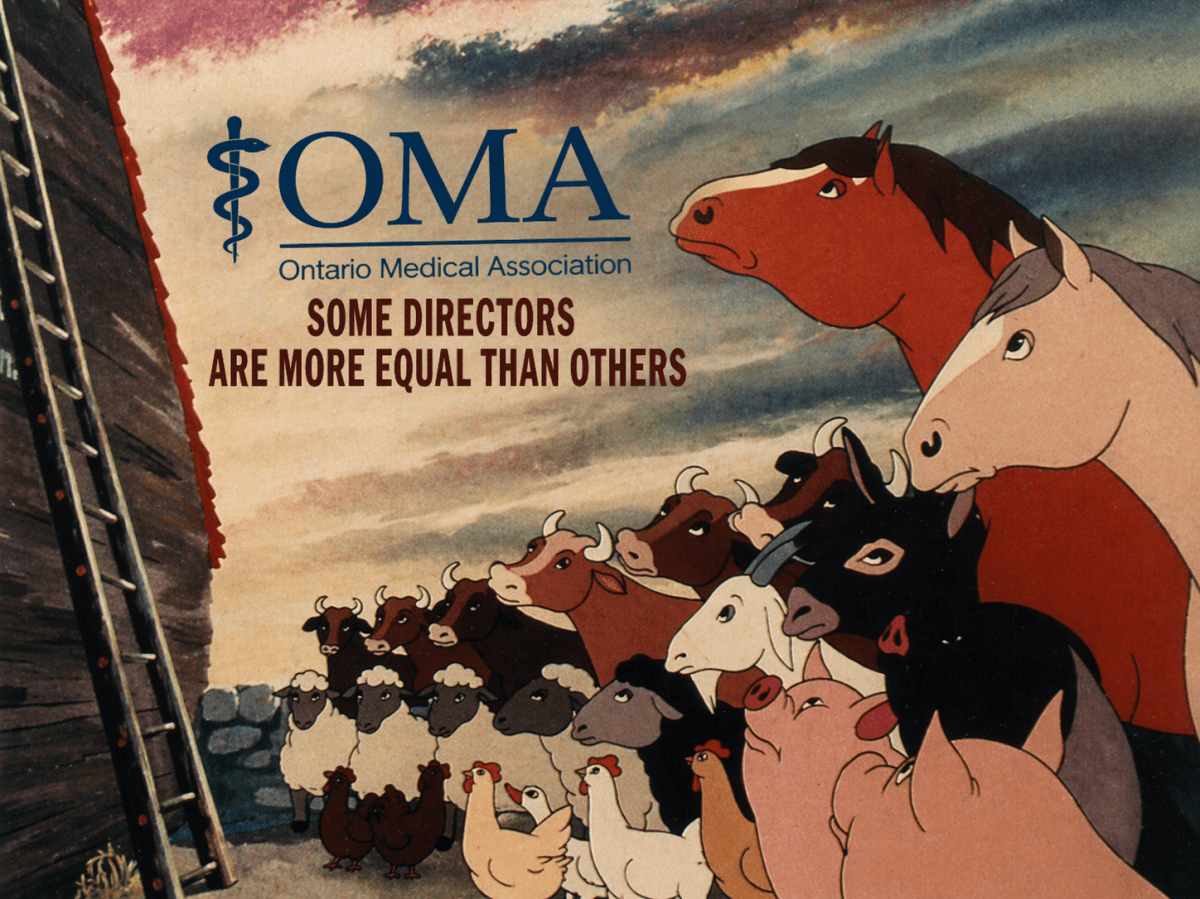
Animal Farm and the OMA

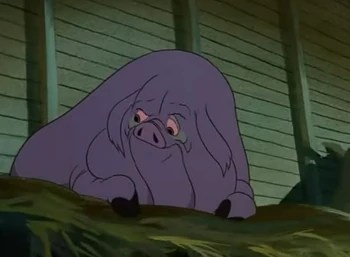
I was thinking about what to write about the current state of the Ontario Medical Association (OMA). Being of a certain age, my mind went back to the classic George Orwell book, Animal Farm. It tells the story of how a group of animals were not well represented by Farmer Jones. They wound up rebelling against Jones and took over the farm.

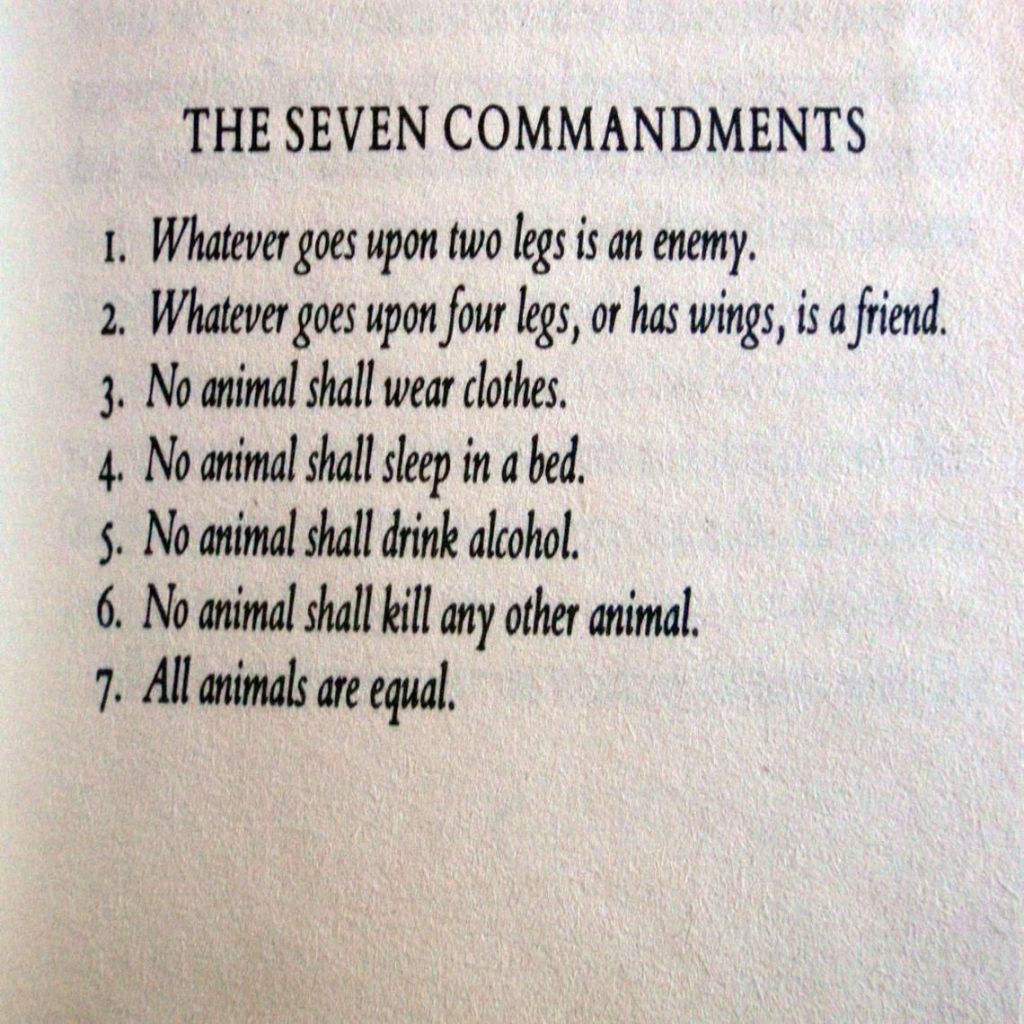
In the aftermath of the revolution, attempts were made to reform the farm so it could advocate for and protect all animal citizens. The guiding principles were the seven “commandments” that every animal agreed to abide by. The most important being, “All animals are equal.”

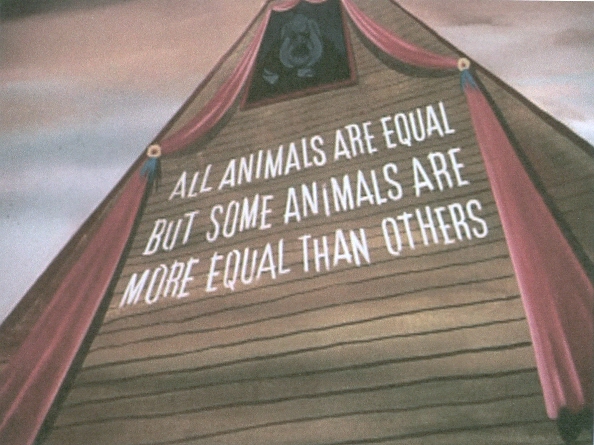
However, some vested interests began to manipulate the situation. The pigs eventually took over the running of the farm and bent the rules to their own advantage. When the rest of the animals went to complain, they found the most important commandment had been re-written to “All animals are equal, but some animals are more equal than others.”

It would of course be ridiculous to suggest that the OMA is a drunken, abusive farmer. It would be even more ridiculous to suggest that the staff of the OMA have the malevolence of Mr. Jones. The staff there are well-intentioned, good people. However, as my friend Greg Dubord pointed out to me, there is something that’s inherent in all organizations known as the “iron law of oligarchy.” Essentially, organizations eventually think of themselves first, not their members.

So it is with the OMA.

Our “revolution” did not have Old Major, or Snowball, or Boxer. We did, however, have Dr. Shawn Whatley, who famously resigned from the Board when he recognized that the association was going off the rails. We had Dr. Nadia Alam who inspired a legion of physicians by her activism. We had 25 brave Council delegates who successfully called for the first ever vote of non-confidence in the leadership of the OMA. There were a lot more but you get the point.

In the aftermath of the revolt that booted out the Board Executive in 2017, there was a strong desire to modernize and improve the OMA. A significant change in the governance structure was enacted. To this day, I support a lot of the principles and rationale behind that change. And there was a strong desire to ensure that the membership had the power to oversee the association and correct it if things went wrong.

We never encountered an evil character like Napoleon the pig. Rather the “iron law” principle itself became our nemesis. Organizational desire to protect itself, not members, began manipulating processes that were put in place into something much different than intended by the rebel physicians.

Nowhere can this be seen more obviously than in the selection process of non-physician board directors. Initially (2021), there was a genuine open election. Non-physician candidates competed alongside physician candidates and were subject to the same member vote.

However, only two years later (!) the process began to diverge. Non-physicians directors seeking a further term were presented for “ratification” as a reappointed director, as opposed to running for a competitive re-election like physician Board Directors are required to. This year the process evolved further. The AGM materials confirm that rather than a standalone ratification vote, non-physician reappointments are woven into the AGM business as a simple “yes/no” matter.

The OMA’s own communications make it clear. What began as a fully competitive open election process for non-physician directors has gradually shifted to a board-managed reappointment track. But physician directors continue to face competitive, multi-candidate elections chosen by the membership. (The physician candidates were also screened by a supposedly independent third party before being “allowed” to run, but I‘ve already gone over that in a past blog.)

In essence, some Board Directors are more equal than others.

The OMA also realized that by changing this process, they could have a stronger hand in selecting non-physician board directors. They could select board directors that on paper had significant skills, but would perhaps be more in line with a corporate philosophy.

One senior OMA executive told me that in the corporate world, there is no running for elections on Boards. The organization recruits who they feel is best and “people of that calibre” don’t submit themselves to votes. “I certainly wouldn’t.” I’m happy for that executive, and wish them luck. However, all those other organizations are not member driven organizations, they are corporate organizations beholden to shareholders.

In a member driven organization like the OMA, there needs to be some degree of political and strategic oversight of the staff. This is not a bad thing. Again, the staff are well-intentioned and want to help physicians. But they need a strong, independent Board to guide them and set strategy. To let them know what will not work for members.

This cannot happen if a block of Board Directors are non-physicians, and worse, have been selected by the OMA (I don’t buy the independent third party bit and neither should you). The voting Board Directors need to be truly independent practicing physicians. This is why Dr. Paul Conte is making four motions at the Annual General Meeting on May 7, with the goal of eliminating the positions of non-physician Board Director, so that once again, all Board Directors will be equal. If successful, this would constitute a sort of “mini” revolution after the big one in 2017. (Full disclosure – I’m seconding all the motions).

Since there are no proxies allowed, I would once again encourage all Ontario physicians to register for the AGM by clicking on this link. You can attend virtually, and make your vote count.

At the end of the book version of Animal Farm, the animals realize that despite their best efforts, they are once again subjugated and really no better off and live in despair. The 1954 movie version changes the ending into something somewhat more hopeful. The animals are once again able to unite, and launch a second “mini” revolution, like Dr. Conte wants to.

Will the OMA follow the path of the book or the movie? We’ll find out on May 7.

Springing Forward Into Stupidity: How British Columbia Traded Science for Convenience

There’s a particular kind of modern arrogance required to look a room full of experts squarely in the eye and say: “Yes, yes, very interesting, but have you considered that people find it inconvenient?

The Government of British Columbia has that arrogance. In a bold act of democratic self-determination, BC has moved to lock in permanent Daylight Saving Time (DST), essentially agreeing, as a society, to spend half the year pretending the sun rises an hour later than it actually does. No more fussing with clocks twice a year! No more groggy Monday mornings in November! Progress, at last!

British Columbia Premier David Eby

In fairness, that decision is partially based on some good evidence that there is no need to change clocks twice a year. It does not reduce energy consumption as previously thought. It’s overall harmful to people’s health. BUT, in a trend that has been growing ever since the Covid Pandemic, there appears to be more and more ignoring of the actual science, in the name of convenience.

The scientific consensus on this is about as settled as it gets outside of climate change and vaccine safety. Study after study links permanent DST (as opposed to permanent Standard Time) to increased rates of depression, cardiovascular events, metabolic disruption, and a general dimming of the human spirit that no amount of “extra evening light” can compensate for. The medical community has been remarkably consistent: Standard Time is the one that actually aligns with human biology.

But BC picked the wrong one because the evenings feel nicer.

The 10,000 Lux Future We’re Sleepwalking Into

Here’s a prediction: within a decade, the market for bright light therapy lamps that blast 10,000 lux of artificial sunlight directly into your face, will quietly explode across British Columbia. Families will gather around them at breakfast, bathing in simulated dawn while the actual sun crawls reluctantly above the horizon sometime around 9 AM in December. It will become as mundane as having a coffee maker on the counter. A morning ritual for a society that engineered itself into needing one.

The irony is exquisite. They rejected a scientifically sound way of avoiding clock changes in the name of convenience. Now the next generation will be purchasing expensive medical devices to compensate for what their own circadian rhythms are desperately trying to tell them. The body, it turns out, doesn’t care what the clock says. It cares about the sun. When you spend six months of the year eating breakfast in the dark because a legislature decided that post work golden hours were more politically palatable than morning light, well your body will not be happy. Fatigue, depression, and the nagging sense that something is profoundly off will follow.

Where Were the Adults in the Room?

This, of course, raises the obvious question. Why didn’t anyone listen to the science? The honest answer is that our political culture has largely burned through its reserves of thoughtful, deliberate governance. This was exemplified by the Covid pandemic, when large swaths of people decided to reject the consensus that Covid was airborne , because they just didn’t like wearing masks. Political prices for following evidence that the general public didn’t like were paid. Politicians noticed.

Governments now seemingly use a cocktail of impulsiveness and ideology to make decisions. The boring, unglamorous work of actually reading the evidence, consulting experts, and acting accordingly is rejected. Into this vacuum has rushed something far less useful, the politics of framing. Instead of a straightforward public health question, “which system produces better health outcomes?”, we now have debate on what sells well with the general public. “But I like to golf at night!” “I want to sit on my patio till late!”

In that environment, experts might as well be speaking ancient Incan.

Governance today often seems to attract people operating at an almost feverish pitch. Rather than slow deliberate study of an issue, we have reactive, ideologically committed decisions allergic to nuance. Political culture now treats careful consideration as weakness and impulsiveness as authenticity. In that environment, it’s not surprising that a decision with clear scientific guidance instead got made on the basis of “vibes.”

How Did We Get Here?

That’s perhaps the most unsettling question of all. This is happening in all fields, not just public health. Urban planning, the aforementioned climate change, immigration policy, you name it. Experiences and facts say one thing. Politics, convenience, or ideology says another. Convenience wins. Our society absorbs the consequences.

This has been particularly fuelled by the rise of social media. At its worst, social media is well known to promote a culture of instant gratification. Which has profoundly impacted decision making. “Oh, I may get Covid tomorrow, but I don’t feel like wearing a mask today”. “Maybe I’ll be depressed in six months, but I want to golf tonight.” Etc.

The sad thing is that I think that deep down, most of us know this. We know that good governance requires scientific literacy, patience, and a willingness to accept inconvenient truths. We know that political culture has drifted away from those qualities. We know that we are, collectively, making ourselves worse off.

But we allow governments to do it again anyway.

The Clocks Are Wrong, and So Are We

There’s something almost poetic about using time itself as the canvas for this particular failure. Time is the one thing nobody can argue doesn’t affect them. Every person in British Columbia will experience the consequences of this decision in their own health, every dark winter morning, without exception. The evidence on that is pretty clear.

So go ahead and enjoy your long summer evenings. The light really is lovely. In November, when the alarm goes off and the sky outside is pitch black and your body is quietly staging a protest you can’t quite articulate, you might find yourself idly browsing light therapy lamps from online stores.

They work pretty well, actually. The science on that is solid.

Not that it’ll stop us from ignoring the experts next time.

About Dr. Elaine Ma: We’ve Been Here Before, and Didn’t Fix It…

My thanks to Dr. Mike Goodwin (pictured inset) for guest blogging for me today. Dr. Goodwin is a retired family physician who held numerous roles in medical politics including (but not limited to) being a member of the Coalition of Family Physicians, a member of the Section of General and Family Practice Executive and an OMA Board Director. He brings a historical perspective regarding medical audits to this blog, and I am grateful for his contribution.

I admire our courageous young colleague Dr. Elaine Ma, she of the seemingly never-ending OHIP billing/auditing dispute with a media savvy beyond her years. Dr. Ma’s impeccable sense of public health propriety during COVID has earned her a growing band of supporters. It has hopefully gained her financial support from both the Ontario Medical Association (OMA) and the Canadian Medical Protective Association.

But what Dr. Ma and younger colleagues may not appreciate is that OHIP’s abuse of doctors, utilizing its antiquated billing payment and auditing processes, has been ongoing for a long time. Between the years 2000 through 2005, a hundred odd doctors every year in Ontario were being subjected to the same sort of unfair retroactive audit, which Dr. Ma is currently experiencing.

Dr. Elaine Ma

Back then, just like now, we had a Schedule of Benefits (SOB) badly in need of an update, a pettifogging bureaucracy unwilling to interpret said schedule with any modicum of common sense… vague auditing rules which conferred the burden of proof upon the accused rather than the province, and the same one-sided authority to claw back payments or garnish future accounts receivable. OHIP even had computers back then, almost certainly the same ancient models they still use today (which they claim can’t possibly be configured to pay doctors in a timely manner after the award of binding arbitrated pay increases).

Administrative abuse of the profession in the very early aughts was rampant. OHIP had enlisted the help of the CPSO, because the College had administrative and regulatory authority, beyond criminal law, over all physicians pertaining to the practice of medicine. Actual auditing and enforcement of decisions was done by an entity of the College called the Medical Review Committee (MRC). It apparently escaped everyone’s notice at the time, and still today, that medical billing to OHIP was and is based upon definitions contained within an official MOH document called the OHIP SOB. The OHIP SOB is, at least in theory, derived from agreements negotiated between the province and the OMA, not the College! One might argue, logically, that any dispute concerning rules and definitions documented within the SOB should always be addressed in the first instance between the Ministry and the OMA.

At any rate, anger and despair over the medical billing and auditing system in that far away time came to a head when a gentle Welland paediatrician, Dr. Tony Hsu, committed suicide. I suspect that Tony felt he had lost face by going public with his own particular auditing horror story. The concept of “face” is important in the Chinese diaspora, and Tony, who worked a one in three (sometimes one in two) on call rota at the Welland County General Hospital (without any on-call stipends in those days), in addition to maintaining a community practice, was forced to repay $96,000. He had to take that out of his retirement savings.

Public and political outrage at Tony’s death, particularly in the Niagara region, was immediate and intense. Then Health Minister George Smitherman was pressed to call for a “public inquiry” into medical billing and auditing. By happy accident, retired Supreme Court Justice Peter Cory was available and appointed to the task. Those of us acquainted with Mr. Cory’s reputation silently cheered.

And when Cory’s very comprehensive report was published, nine months later in April 2005, the indecent OHIP billing auditing system finally came to an end.

Or so we thought!

In his report “Study, Conclusions, and Recommendations Into Medical Audit Practice in Ontario,” Mr. Cory did not mince words. “The medical audit system in Ontario has had a debilitating, and in some cases, devastating effect on physicians and their families,” he said. “It has had a negative effect on the delivery of services, and has undermined Ontario’s attractiveness as a place to practice.”

Also, and very pointedly, the honourable Cory recommended the appointment of a new independent audit board, while declining to take up an offer from the College to continue auditing medical billings as they had been doing prior to his inquiry. In all, Justice Cory made 118 separate recommendations, and I reproduce only the first four, below, since they were (possibly) the most important:

  1. Jurisdiction and structure: the responsibility for conducting the audits of physicians fee claims should be conferred on a new and independent board. See recommendations (1) to (4).
  2. Purpose of the audit process: The audit process must be employed only for the purpose of determining the appropriateness of physician fee claims. The audit system itself must be accountable. A biennial stakeholders forum should be established to receive reports on the operation of the new audit process and to receive and consider proposals for its improvement. See recommendations (5) to (7).
  3. A new emphasis on assisting physicians to comply with billing requirements: The primary goals of the new audit system should be (1) education to facilitate compliance with billing requirements, and (2) identification and elimination of false, fraudulent, and egregiously erroneous billing in a fair and effective manner. See recommendations (8) to (9).
  4. Schedule of benefits: The schedule of benefits must be revised and adapted. It must also be interpreted flexibly so that a physician is not deprived of payment for a service that is medically appropriate and that complies substantially with the requirements of the fee code. See recommendations (10) to (14).

(NB – as the report cannot be found online, Dr. Goodwin used his own personal copy of the report as a reference – Old Country Doctor)

In the wake of the Cory report, Minister Smitherman ceased audits immediately and promised changes. But no one at the MOH or College lost a job. And ministries or bureaucracies (like the CPSO) are resistant to any change from age-old ways of doing things. That’s particularly true when change might reduce influence, or even more important, authority and funding.

So when I joined the OMA board in 2005 as a newbie director, the ministry was already flooding the zone, as they did, with multiple new issues demanding our attention. Promises made didn’t materialize, and almost none of Mr. Cory’s recommendations, especially the most important, to “confer responsibility for conducting billing audits on a new and independent board,” were implemented. Months became years, and “the Cory report” gradually disappeared from sight, consigned to death by inattention. You can’t find it anywhere today, even with a Google search. Not even on the OMA website: for shame!

I’m convinced that if a significant part of Mr. Cory’s report had been adopted in 2005, much of the shoddy bureaucratic shenanigans from OHIP would have been fixed (including, maybe even their ancient computers). Dr. Elaine Ma would not be undergoing her current marathon persecution. Nor would we be seeing those cases where OHIP seems to let grifters get away with corrupt billing over multiple years before it (OHIP) picks up on the scam. How does that work, by the way?

It’s not every day you get support from a retired Supreme Court justice at your back… particularly such clear, sensible, workable recommendations from arguably the most influential liberal justice of the post-constitutional era in Canada. Peter Cory was famous for his kindness, and for his defence of human dignity at every opportunity…though he definitely had an iron fist in a velvet glove when the need arose. For anyone (like me) who ever had the good fortune to meet him, he was just an unforgettably decent man.

Memo to the OMA:

If you really want to fix this auditing problem, something which I and my colleagues failed to do, Peter Cory’s report from 2005 would still be a great place to start. Dr. Elaine Ma has provided you a good crisis: let’s not waste it.

The Appalling Treatment of Dr. Elaine Ma Is Hurting Health Care in Ontario

I’ve written about the horrific treatment that Dr. Elaine Ma has been subjected to by the bureaucrats at Ontario Health before. The situation is so ridiculous that it could be a story presented at the Theatre of the Absurd.

What happened?

Dr. Ma is a family physician from the Kingston area. During the Covid pandemic she realizes the need to immunize as many people as possible to protect the community. She organizes a number of outdoor mass vaccination clinics, which resulted in Kingston being one of the most heavily vaccinated areas of the province. For her efforts, she wins the very well deserved the praise of many, and an award from the Ontario College of Family Physicians.

There are two billing codes for providing Covid vaccinations. One for physicians who work in a vaccination clinic that someone else set up (e.g. public health). Another for those who set up the clinics themselves, and paid for staff/heating for outdoors/tents/internet etc. Since she paid for all of that, Dr. Ma bills the second code.

Dr. Elaine Ma

Fast forward a couple of years and the callous and unthinking bureaucrats at OHIP decide that she has billed the wrong code and demand she pay back $600,000. I won’t restate all the steps she went through to fight this. I will state that the reasons for them wanting the money paid back varied between the clinic being outdoors instead of indoors, medical students being involved and so on. But eventually the case winds up at Divisional Court.

On Dec 16, the court handed down a ruling supporting Dr. Ma. What I had failed to realize before is that the Ontario Health bureaucrats main argument appears to be that there were no extenuating circumstances during the time of the Vaccine Clinics that Dr. Ma set up. Yes, you read that correctly. The whole country was in the midst of a (hopefully) once in a lifetime pandemic. Canada was effectively shut down for business. People were not allowed to visit loved ones in hospital or nursing homes. Travel had ground to a halt. But, in the minds of the soulless and spiteful bureaucrats, none of this constituted “extenuating circumstances”.

Thankfully, Divisional Court Justices Matheson, Varpio and O’Brien were having none of this nonsense. They clearly stated the decision by bureaucrats that there were no extenuating circumstances was “unreasonable.” (I would have, and will, call that decision much worse things). The Justices pointed out the obvious. There was clearly a public health crisis at the time, and that many leaders, including politicians were calling on physicians to get the vaccinations done.

More importantly they stated something the OMA’s legal team really needs to take a deep dive into:

…”that the wording of section 17.5 does not limit relief to unpaid claims; it only requires the presence of extenuating circumstances. Since OHIP typically pays claims first and reviews them later, a restriction on unpaid claims would effectively nullify the provision. The court called this interpretation unreasonable.”

Currently OHIP pays physicians whenever they bill. Later, OHIP decides if it was reasonable or not, and if OHIP feels the situation is unreasonable, they demand the money back. The justices seem to be saying this process is not fair. Which has implications far beyond this one case. Obviously, this would not apply to clear cut cases of fraud. It is a much much needed kick to the slow, incompetent, and spiteful OHIP review process. I can’t possibly understand the potential future implications for this – but I suspect there will be many.

Finally, the justices let their displeasure be known by ordering OHIP to pay Dr. Ma $10,000 in court costs. This strongly suggests to me that they were peeved at the OHIP bureaucrats for taking it this far, and really didn’t think it should have gone there.

How is this hurting health care now?

Ontario is currently seeing an unprecedented surge in flu cases. Flu season has come early. The current variant appears to be extremely strong. It is circulating at “sky high” levels among young people. Three children (at least) have died. Hospitals have declared outbreaks and wards are closed. Visitation has stopped.

Sign on the door to the Medical Ward of my Hospital

You know what would really help? If only some people would come up with some innovative ways of getting their communities vaccinated against the flu. Yes this year’s flu shot is a bit of mismatch for the current strain, but it still provides some protection and keeps you from getting really ill.

Or how about an innovative idea for where to safely look after patients like was done during the Covid crisis. My friend Dr. Bryan Recoskie set up a unique 18 bed ward in our local Legion, to look after non-covid patients while the hospital wards were shut with covid positive patients.

Dr. Bryan Recoskie

And yet, I don’t see any of that happening right now. Don’t get me wrong, doctors continue to go to work. We continue to care for the sick and continue to comfort those in need. We continue to do our best in these trying circumstances.

But I can’t find any evidence (please correct me if I’m wrong) – of where people are doing unique out of the box things to try and mitigate the currently unfolding nightmare. Given the potential exists that IF you try something unique, you may wind up undergoing two years of pure hell by bitter, ruthless and depraved bureaucrats – can you blame people for not trying?

To quote a good friend of mine, “The damage has been done. Nobody is going to stick their necks out now.”

What should happen (but won’t):

First, under no circumstances should OHIP appeal the decision from Divisional Court. The mercilessly inhumane bureaucrats need back down. Second, Health Minister Sylvia Jones needs to do what she should have done a year ago – and direct the bureaucrats not to seek any recovery at all from Dr. Ma. It’s just the right and decent thing to do.

Finally, it would really help if Minister Jones issued a formal apology to Dr. Ma for how she has been treated by the bureaucrats. It’s not just the OHIP bureaucrats. Jones’ own communications director, Hannah Jensen claimed Dr. Ma had “pocketed the funds“, a statement that clearly suggested malfeasance.

Do that, and maybe, just maybe, physicians would once again feel comfortable coming up with out of the box solutions for crises that are occurring.

Maybe.