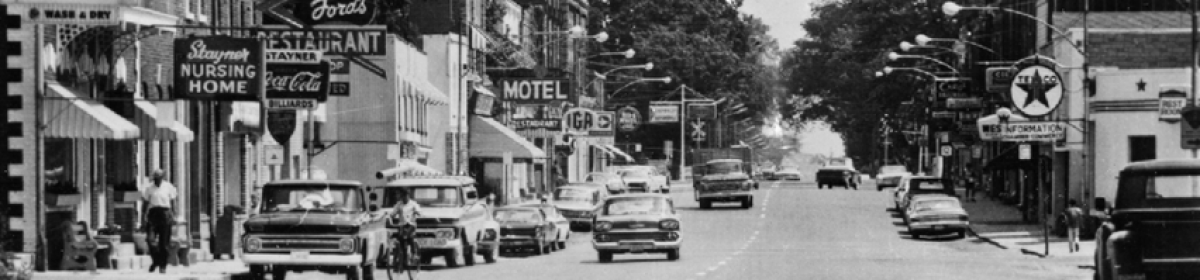
Wasaga Beach’s Much Needed Nursing Home Reveals Haphazard Government Bureaucracy

Recently, the Ontario government announced a hundred million dollars of new funding towards a new, 288 bed nursing home in Wasaga Beach. What’s really impressive is that the project is already ready to put shovels in the ground. Construction is expected to begin in late 2026, and it’s anticipated that the first residents will be welcomed in 2029. This will become the largest nursing home in the South Georgian Bay region.


To be abundantly clear, Ontario does need more nursing home beds. In 2017, I wrote about the then desperate need to build 35,000 nursing home beds. For reasons that I can’t fathom, the previous Liberal governments never really did anything to build up healthcare infrastructure, despite the fact that we had a growing and aging population. That particular government seemed to think that the healthcare needs of the population would simply fix themselves.

I’ve been critical of some of the things that the current Conservative government has done in health care, but they do deserve credit for significantly ramping up healthcare infrastructure builds. Whether it’s new hospitals being built, new equipment like MRIs being purchased, and yes, finally building new nursing homes, this particular government has recognized that you simply can’t provide healthcare to an aging and growing population without increasing the capacity of the infrastructure.

However, I continue to be frustrated by the fact that a government whose leader is famous for having made extremely critical comments of overlapping and haphazard bureaucracy, hasn’t done more to get the various facets of the healthcare system to be streamlined and work together.
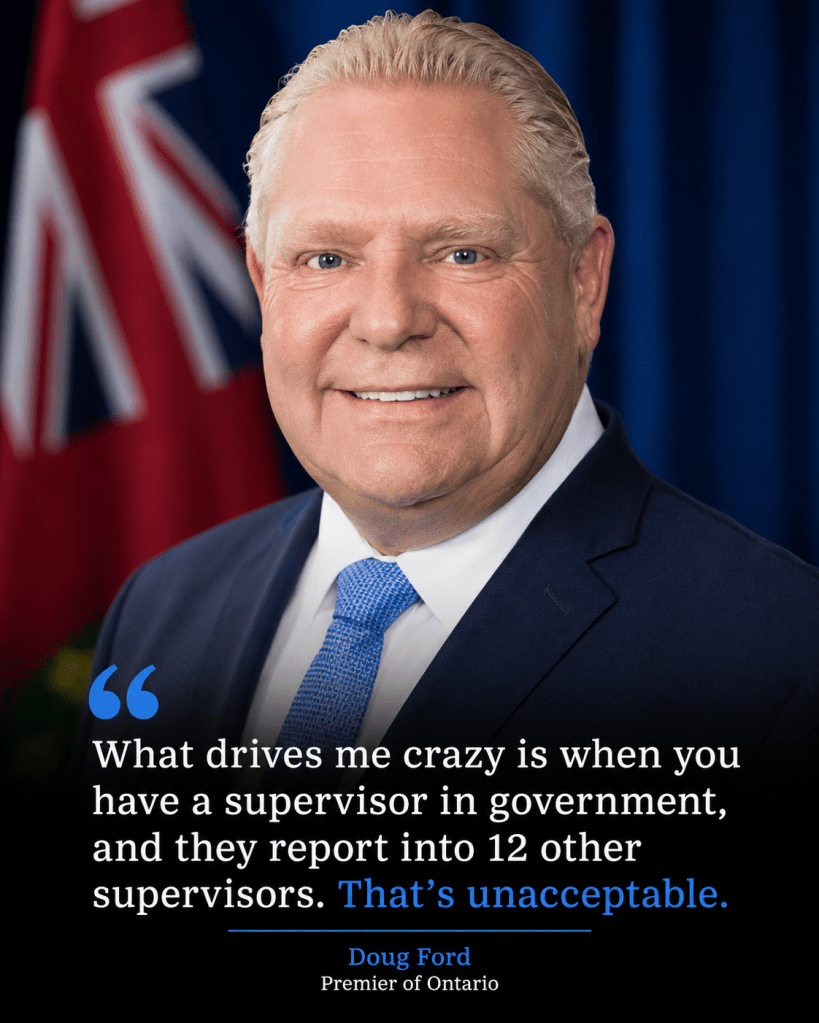
The Wasaga Beach Nursing Home (as much as it’s needed and should be built) is a perfect example of this.

Nursing homes, by definition, have complex patients with significant health care needs. Some of them, will get sick and will need to be transferred to the nearest hospital Emergency for assessment. For Wasaga Beach, this means the Collingwood General and Marine Hospital (CGMH). Being complex patients with multiple health needs, some will be admitted to hospital.

However, as of 2024/25, the CGMH already showed over 39,000 ER visits (up 8% from the year before!) Their inpatient status showed overcapacity for the entire fiscal year. All hospitals have fluctuations and times where they are more full than others, but to be overfull for an entire fiscal year is extra ordinarily busy.

How much more stress will be added to the CGMH by the new nursing home?

Trying to find reasonable data is painfully difficult. I searched a number of sites, but the best that I could come up with was a 2018 analysis. Yes, there was fluctuation during Covid, but we are back to pre-Covid numbers. Crunching a lot of numbers (so that you, dear reader, don’t have to) gives the following, what I consider to be reasonable, projections:

  • The CGMH can expect about 160 ER visits per year from the new nursing home. These patients are very complex so their ER visits will take much longer. (By comparison, 288 seniors who live independently in the community would only result in 58 ER visits per year).
  • Given that just under half of all nursing home patients who go to the ER wind up getting admitted to hospital, we are looking at about 75 more admissions to hospital per yer.
  • It was even tougher trying to find out how long patients who are admitted to hospital from a nursing home will stay in hospital. That link above had some information, but hardly enough to be accurate. The best guess I could come up with was between 5-7 days per admission, so if we go with 6 days in hospital on average, we’re looking at about 450 days in hospital per year.

Now let’s keep in mind that the CGMH is already full. We no longer have hallway health care. We have chair health care (the hallways are full). So where are these patients going to go? (N.B. I do appreciate that there might be some relief as some of our hospitals Alternate Level of Care patients will now have a nursing home to go to – but I’m going to make an educated guess that the stress on the hospital will outweigh the benefit).

My three loyal readers might be aware of the fact that Collingwood is getting a new hospital. Once again, kudos to the current government for approving a badly needed new facility. However, there are still a bunch of bureaucratic approvals needed, and shovels won’t go into the ground until at least the fall of 2028. Hopefully, the project will be complete in 2033 (because government run projects always come in on time).

And this is the part that really drives physicians and healthcare workers crazy. Could there not be some common sense in the eyes of the bureaucrats at the ministry of health who approve these projects? If you are able to approve shovels in the ground by this fall for the nursing home, why can’t you do it for the hospital? You know that patients from the nursing home are going to wind up in hospital and stress an already overburdened place. You know that the new hospital’s been approved. Why doesn’t the Ministry of Health co-ordinate the builds? Do these bureaucrats from each department (hospital and nursing home) not talk to each other? (Having been involved in many meetings with many bureaucrats at different branches of the ministry when I was president of the Ontario Medical Association, I can tell you the answer to that is no.)

Overbureaucratization of our health care system has been a problem for decades now. It’s been unrelenting and farcical at times. The Wasaga Beach nursing home, as needed as it is, is just one more example of this. It’s where the real silos exist in health care and our system will not improve until we get a government that is willing to tackle the bureaucracy.
RePost: Hoskins Fails to Understand the Health Care System

NB: This article originally appeared in the Huffington Post on May 4, 2017. I am reposting on my own website as Huffington Post Canada has shut down and I want to preserve the article in case needed in the future.

Last week, the Ontario Liberal Government released the specifics of the 2017-2018 Budget. From a health care perspective, what became startlingly evident, was that the Liberals seem to be unable to comprehend exactly how the health care system functions. They are seemingly unable or unwilling to look at the big picture when trying to solve problems.

By Dr. Sohail Gandhi, Contributor

Last week, the Ontario Liberal Government released the specifics of the 2017-2018 Budget. Advertised as a prescription for a “stronger, healthier Ontario”, the budget had all the usual darts and laurels typically thrown at a pre-election budget. The Liberals claimed they balanced the budget and were making necessary investments. Their critics claimed not

From a health care perspective, what became startlingly evident, was that the Liberals seem to be unable to comprehend exactly how the health care system functions. They are seemingly unable or unwilling to look at the big picture when trying to solve problems.

Let’s look at hospital funding. That hospitals in Ontario are under enormous stress is unquestioned. Stories of overcrowded emergency departments, long wait times, patients lying in hallways for days on end are rampant in the media. Additionally, budget pressures on hospitals continue to result in nurses being laid off despite the fact hospitals are full. Concerns raised years ago about how this will lead to adverse patient outcomes, are sadly now coming true.

In response, Ontario Health Minister Eric Hoskins has been repeatedly stating that he has ensured that hospital funding increase by $518 Million next year. A large number, but it represents only a three per cent increase in the hospital budget, which totals about $17.2 BILLION dollars (and Hoskins thought doctors were expensive!). It is also less than hospitals had asked for.

I won’t begrudge hospitals extra money. They have been starved under austerity level budgets during Hoskins leadership. But is throwing money at hospitals the only way to solve the problem? Is it the best solution?

However, one of the main issues that hospitals face is the persistently high rate of Alternative Level of Care (ALC) patients. The official definition of ALC is pretty complicated. The simple definition is patients are well enough to be discharged from hospital, but not well enough to return to their own home. The majority of ALC patients are waiting for nursing homes.

The rates of ALC patients vary in different parts of Ontario, but the provincial average is around 15 per cent. This means that if you have a hospital with 100 acute care beds, fifteen will be occupied by patients who should be in a different facility, usually a nursing home. But because there aren’t enough nursing home beds, they’re stuck in hospital.

So, when a patient comes to the Emergency department with, say severe abdominal pain due to internal bleeding, and needs to be admitted to hospital, a large part of the reason why she waits for 5 days in a hallway, is that there are no nursing home beds for the patients currently in hospital to go to.

Despite the fact that it is widely acknowledged Ontario is greying and that our percentage of seniors will rise to almost 18 per cent by 2021, there appears to be no discernable plan to actually build more nursing homes. In fact, the only investments that I can find are those to renovate existing beds. While that’s a nice enough thing to do, and will increase the comfort level of LTC residents (which I think is essential), it won’t offload the overcapacity from hospitals. 

When I was the Health Links lead physician for my area, we were involved in a plan to reduce hospital admissions from nursing homes. As part of that, we found that the cost of a hospital admission was around $975 a day (standard ward bed). The cost of a nursing home? How about $143 a day? Seriously, you can fund seven nursing home beds, for the cost of one hospital bed.

So back to the hypothetical 100 bed hospital. Would it not make more sense to fund fourteen nursing home beds (at the cost of two hospital beds) to take the pressure off the hospital? Especially when we already have a nice mix of private and public companies willing to build LTC homes? And would that not reduce the costs to the hospital because hospitals are chronically paying staff overtime to handle overcapacity situations?

Now in fairness the final solution probably requires a combination of things. Hospitals do have fixed operational costs that increase yearly and need to be accounted for, and shouldget more money. 

But a proper solution must also look at the big picture, and look at creative ways of reducing hospital expenses. Not only do we need 26,000 more nursing home beds right now, but given how our population is greying, we will need 50,000 more in six years. Otherwise the ALC rates will rise, and the Emergency departments will back up more. To not have a plan in place to address this shows a complete lack of comprehension of the stresses the system faces.

EricHoskins appears to only be capable of reacting to crises. Bad news story about hospitals affecting re-election chances? Throw money at them. That’s not good enough. We need leaders that understand how interconnected health care is, and how events in one part of the system, affect others.

The people of Ontario deserve better than what Eric Hoskins is offering.

Innovation Winter

Recently, the Ontario Government announced plans for a province wide family practice record system. I was debating what to write about it when I came across this post from Dr. Shahin on LinkedIn. While I don’t agree with all of it, it’s an important point of view. He’s kindly agreed to allow me to post this as a guest blog, and I encourage you to give his LinkedIn page a read.

Dr. Ilan Shahin is a Family Medicine specialist who serves as the Primary Care Lead for Patient Attachment for the Central West Ontario Health Team (CW OHT)

He’s also a Board Member and Secretary-Treasurer of the Ontario College of Family Physicians (OCFP), has an MD and Master of Business Administration (MBA) from McGill University and is a co-founder of ConsultLoop, a former e-referral platform.  Basically a whole lot smarter than I am.

Innovation Winter is a Canadian tradition of killing off product categories with the whisper of a large procurement.

Every so often in digital health, governments see small companies sprouting around a category, and decide to procure The Thing for the entire jurisdiction. This is ambitious, well-intended, and comes with its fair share of boosters. E-consults, e-referrals, and e-prescribing all had similar stories. However, these didn’t work out as intended.

E-consults remains a clunky product with uptake well below its potential, when once there was a physician-led startup that offered a nice mobile experience that was much easier to use and even log on to.

E-referrals is still maturing when it’s been 10 years since an original RFP was won via a single LHIN with the thought that it would be rolled out across the province. There too, there was a company (which I co-founded) that built the referral platform at less than 5% the cost of that initial RFP, produced unprecedented and yet unmatched wait time data, and had pilots shut down because of whispers that e-referrals would be deployed imminently across the province.

E-prescribing has the story of Infoway’s landmark project that was shut down after hundreds of millions in spending, with market penetration that was only a few percentage points of total prescriptions despite the virtualization pressure of a pandemic. Setting standards for companies serving the pharmacy market could have harnessed their competitive drives, rather than relying on one platform with its limited agility.

In each case, government comes with good intentions, and tries to build The Thing. In doing so, they create what is effectively a monopoly, which risks insulating the product from market forces that produce better value, and lower costs.

However we don’t need a large procurement to actually have happened, for the monopoly or oligopoly to be entrenched, in order to kill innovation. Just the mere whisper that something big is coming is enough to make rational actors across the system wait and see. This also includes small businesses, which is where the imperative to listen to customers, the urgency to improve, and the competition on price and quality actually lives. Ingenuity lives there too, in the companies facing short cash runways, the incumbent complex, and the need to prove themselves as trustworthy both clinically, operationally, and ethically.

Government has to be careful about what it does to the marketplace when it acts. Sometimes in raising its hand, it ushers in an innovation winter, which has the potential to block far more value in a robust, competitive market, than it uncovers in a RFP-led closed market approach.

Let government focus on building the strongest marketplace, driving to common standards to uplift the market’s value, while ensuring fair competition to harness the cost and quality pressures that come with it.

Market-making. That’s the game. Innovation winters are signs of failure.

Auditor General’s Report on AI Highlights Failure of Ontario’s Health IT Bureaucrats

There’s currently a lot of talk about the recent report from Ontario’s Auditor General on AI Scribes. The headlines seem mostly to be dealing with the fact that she found numerous AI Scribe generated reports had errors. The errors happened for various reasons, including AI hallucinations, transcription errors, incorrect entry of medications and so on.

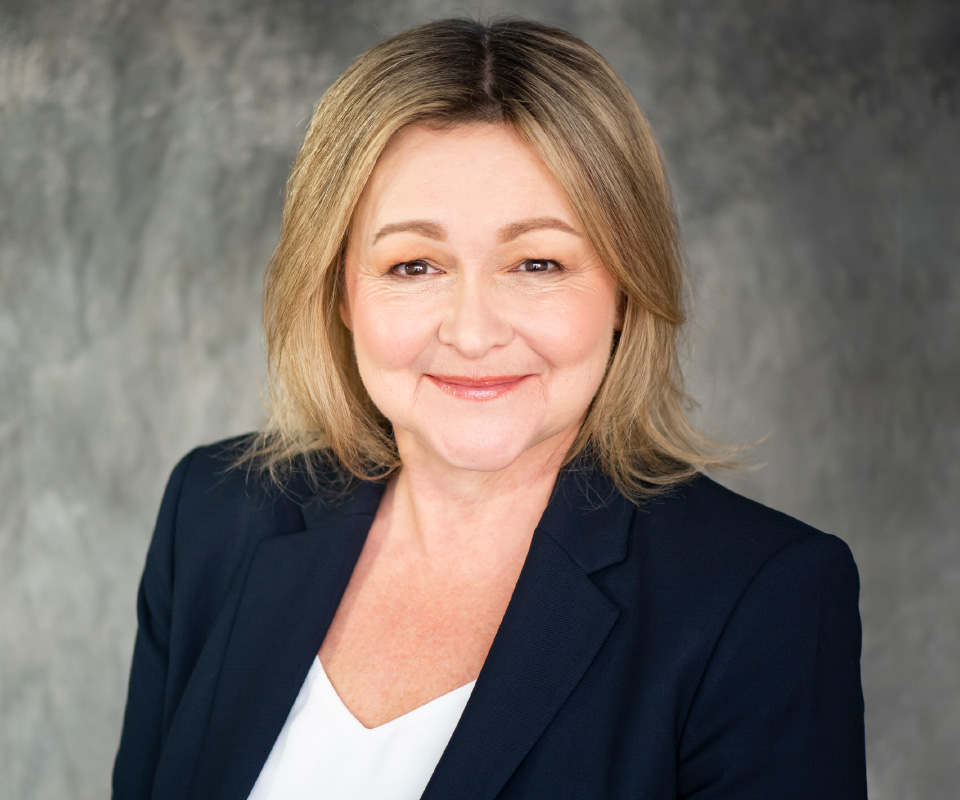
Ontario’s current Auditor General, Shelley Spence

However, to my mind, that’s not the real story.

I feel somewhat conflicted in saying this next part, mostly because I think I generally have a reputation for being an advocate for physicians, their views and their well being. However, the blunt reality is that we are all required to check any report that’s generated by an AI scribe before we sign off on them. Physicians, being human, will make mistakes. For example, this past weekend, I got a message from a colleague of mine, pointing out an error that had been made in an AI-generated note on a patient I saw. That was my fault for not double checking. I think to try and blame some software for those kind of mistakes would be inappropriate.

No, the real story is the continued ineptitude of the healthcare bureaucrats at the Ministry of Health who are in charge of health care IT systems today. If one does a deep dive into the Auditor General’s report, there are many, many legitimate question she has, all of which the hard-working taxpayers of this province deserve an answer to.

In particular she found gaps in how these AI systems were evaluated by Supply Ontario, Ontario Health, and to a certain extent OntarioMD. Yes there were three agencies all involved, triplicating the amount of work necessary and adding to the confusion.

Heck the issues began right from the initial procurement stage. The weighting given to different criteria revealed a fundamental misalignment of priorities. The accuracy of medical notes generated by AI scribes accounted for only four per cent of points awarded to potential vendors, while domestic presence in Ontario was weighted the highest at 30 per cent. Data privacy/legal controls were weighted at 23 per cent and system security controls at 11 per cent. 

Think about that for a minute. You could have software from a poorly run company, that was completely inaccurate in its transcription and system security, yet still have it approved if it happened to be Ontario based. Yet a company with the best transcription and system security would lose, if it was from out of province. Even Spence was shocked by this, stating, “In my mind, that doesn’t make sense….when we’re dealing with personal information and we’re dealing with artificial intelligence, I think security is of the utmost importance.”

Additionally, the evaluations didn’t actually watch vendors operate the software in real time! There were no live test. Vendors were apparently given recordings and ran the system offline learning. Spence said, “this allowed vendors to potentially overstate their compliance with security and privacy requirements.”

Well, duh!

Worse, 11 of the approved vendors for AI software didn’t actually meet the mandatory submission requirements. They got approved anyway. Five didn’t even submit risk assessments and privacy impact assessments as part of their bid process. They got approved anyway.

This kind of amateurish, ineffectual assessment is supposed to help increase confidence in healthcare IT?

Most damningly, it appears from the auditor general’s report that there is a broad absence of strategic governance. The auditor general benchmarked the AI strategy against Canadian and international public sector organizations and found that there were no specific actionable items, no clear plan to prioritize AI use across ministry areas, and did not identify any prohibited AI practices or areas where technology posed an unacceptable risk.

Essentially, this report paints a picture of Ontario Health/Supply Ontario/Ontario MD approving AI systems through a process that underweighted accuracy, did not require live demonstrations, accepted incomplete documentation and failed to assess bias risk. All while having no clear plan to rectify these gaps going forward.

The thing is, this kind of insanity has been permeating the politics of IT health systems for decades. I’ve written about the bloated and inefficient bureaucracy for years now. The lack of ability to get a truly integrated health care system speaks to a lack of vision and focus in the bureaucracy. It’s incredibly discouraging that it continues unabated after all these years. It seems that no one has the knowledge, wisdom, ability to fire the incompetent bureaucrats, streamline the process by getting rid of multiple agencies, and apply an overarching vision for health care IT.

And yet, instead of fixing the bureaucratic mess first, streamlining health IT infrastructure, and developing on overarching health IT vision, Ontario is instead now going ahead and launching a Provincial initiative to create a province wide primary care medical record system. The people in charge of choosing the software for this? The same bunch who botched the AI scribe issue.

I can’t wait to read the Auditor General’s report on that one in, say 2029.

About Dr. Elaine Ma: We’ve Been Here Before, and Didn’t Fix It…

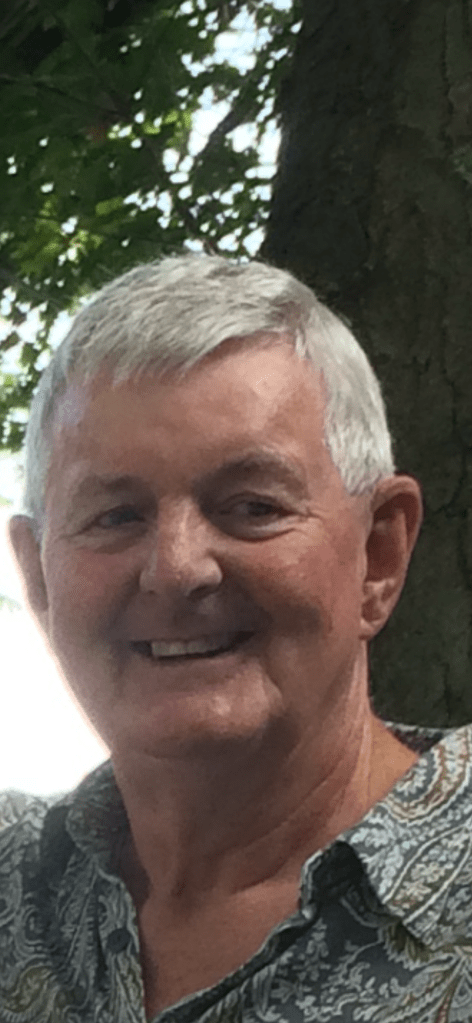
My thanks to Dr. Mike Goodwin (pictured inset) for guest blogging for me today. Dr. Goodwin is a retired family physician who held numerous roles in medical politics including (but not limited to) being a member of the Coalition of Family Physicians, a member of the Section of General and Family Practice Executive and an OMA Board Director. He brings a historical perspective regarding medical audits to this blog, and I am grateful for his contribution.

I admire our courageous young colleague Dr. Elaine Ma, she of the seemingly never-ending OHIP billing/auditing dispute with a media savvy beyond her years. Dr. Ma’s impeccable sense of public health propriety during COVID has earned her a growing band of supporters. It has hopefully gained her financial support from both the Ontario Medical Association (OMA) and the Canadian Medical Protective Association.

But what Dr. Ma and younger colleagues may not appreciate is that OHIP’s abuse of doctors, utilizing its antiquated billing payment and auditing processes, has been ongoing for a long time. Between the years 2000 through 2005, a hundred odd doctors every year in Ontario were being subjected to the same sort of unfair retroactive audit, which Dr. Ma is currently experiencing.

Dr. Elaine Ma

Back then, just like now, we had a Schedule of Benefits (SOB) badly in need of an update, a pettifogging bureaucracy unwilling to interpret said schedule with any modicum of common sense… vague auditing rules which conferred the burden of proof upon the accused rather than the province, and the same one-sided authority to claw back payments or garnish future accounts receivable. OHIP even had computers back then, almost certainly the same ancient models they still use today (which they claim can’t possibly be configured to pay doctors in a timely manner after the award of binding arbitrated pay increases).

Administrative abuse of the profession in the very early aughts was rampant. OHIP had enlisted the help of the CPSO, because the College had administrative and regulatory authority, beyond criminal law, over all physicians pertaining to the practice of medicine. Actual auditing and enforcement of decisions was done by an entity of the College called the Medical Review Committee (MRC). It apparently escaped everyone’s notice at the time, and still today, that medical billing to OHIP was and is based upon definitions contained within an official MOH document called the OHIP SOB. The OHIP SOB is, at least in theory, derived from agreements negotiated between the province and the OMA, not the College! One might argue, logically, that any dispute concerning rules and definitions documented within the SOB should always be addressed in the first instance between the Ministry and the OMA.

At any rate, anger and despair over the medical billing and auditing system in that far away time came to a head when a gentle Welland paediatrician, Dr. Tony Hsu, committed suicide. I suspect that Tony felt he had lost face by going public with his own particular auditing horror story. The concept of “face” is important in the Chinese diaspora, and Tony, who worked a one in three (sometimes one in two) on call rota at the Welland County General Hospital (without any on-call stipends in those days), in addition to maintaining a community practice, was forced to repay $96,000. He had to take that out of his retirement savings.

Public and political outrage at Tony’s death, particularly in the Niagara region, was immediate and intense. Then Health Minister George Smitherman was pressed to call for a “public inquiry” into medical billing and auditing. By happy accident, retired Supreme Court Justice Peter Cory was available and appointed to the task. Those of us acquainted with Mr. Cory’s reputation silently cheered.

And when Cory’s very comprehensive report was published, nine months later in April 2005, the indecent OHIP billing auditing system finally came to an end.

Or so we thought!

In his report “Study, Conclusions, and Recommendations Into Medical Audit Practice in Ontario,” Mr. Cory did not mince words. “The medical audit system in Ontario has had a debilitating, and in some cases, devastating effect on physicians and their families,” he said. “It has had a negative effect on the delivery of services, and has undermined Ontario’s attractiveness as a place to practice.”

Also, and very pointedly, the honourable Cory recommended the appointment of a new independent audit board, while declining to take up an offer from the College to continue auditing medical billings as they had been doing prior to his inquiry. In all, Justice Cory made 118 separate recommendations, and I reproduce only the first four, below, since they were (possibly) the most important:

  1. Jurisdiction and structure: the responsibility for conducting the audits of physicians fee claims should be conferred on a new and independent board. See recommendations (1) to (4).
  2. Purpose of the audit process: The audit process must be employed only for the purpose of determining the appropriateness of physician fee claims. The audit system itself must be accountable. A biennial stakeholders forum should be established to receive reports on the operation of the new audit process and to receive and consider proposals for its improvement. See recommendations (5) to (7).
  3. A new emphasis on assisting physicians to comply with billing requirements: The primary goals of the new audit system should be (1) education to facilitate compliance with billing requirements, and (2) identification and elimination of false, fraudulent, and egregiously erroneous billing in a fair and effective manner. See recommendations (8) to (9).
  4. Schedule of benefits: The schedule of benefits must be revised and adapted. It must also be interpreted flexibly so that a physician is not deprived of payment for a service that is medically appropriate and that complies substantially with the requirements of the fee code. See recommendations (10) to (14).

(NB – as the report cannot be found online, Dr. Goodwin used his own personal copy of the report as a reference – Old Country Doctor)

In the wake of the Cory report, Minister Smitherman ceased audits immediately and promised changes. But no one at the MOH or College lost a job. And ministries or bureaucracies (like the CPSO) are resistant to any change from age-old ways of doing things. That’s particularly true when change might reduce influence, or even more important, authority and funding.

So when I joined the OMA board in 2005 as a newbie director, the ministry was already flooding the zone, as they did, with multiple new issues demanding our attention. Promises made didn’t materialize, and almost none of Mr. Cory’s recommendations, especially the most important, to “confer responsibility for conducting billing audits on a new and independent board,” were implemented. Months became years, and “the Cory report” gradually disappeared from sight, consigned to death by inattention. You can’t find it anywhere today, even with a Google search. Not even on the OMA website: for shame!

I’m convinced that if a significant part of Mr. Cory’s report had been adopted in 2005, much of the shoddy bureaucratic shenanigans from OHIP would have been fixed (including, maybe even their ancient computers). Dr. Elaine Ma would not be undergoing her current marathon persecution. Nor would we be seeing those cases where OHIP seems to let grifters get away with corrupt billing over multiple years before it (OHIP) picks up on the scam. How does that work, by the way?

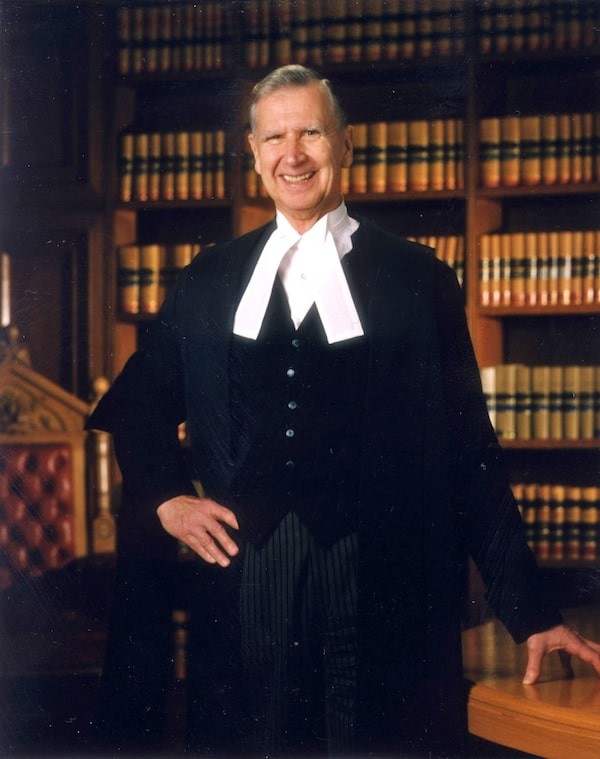
It’s not every day you get support from a retired Supreme Court justice at your back… particularly such clear, sensible, workable recommendations from arguably the most influential liberal justice of the post-constitutional era in Canada. Peter Cory was famous for his kindness, and for his defence of human dignity at every opportunity…though he definitely had an iron fist in a velvet glove when the need arose. For anyone (like me) who ever had the good fortune to meet him, he was just an unforgettably decent man.

Memo to the OMA:

If you really want to fix this auditing problem, something which I and my colleagues failed to do, Peter Cory’s report from 2005 would still be a great place to start. Dr. Elaine Ma has provided you a good crisis: let’s not waste it.

What’s Behind OHIPs Persecution of Dr. Elaine Ma?

In over 3 decades of medical practice, I’ve seen so much stupidity from government bureaucrats that I really shouldn’t be surprised by the dumb things they do anymore. And yet, every once in a while, they do something so colossally, mind numbingly and egregiously idiotic, that I’m still left stunned. Such is the situation with the ongoing persecution of Dr. Elaine Ma. Last week, the general manager of OHIP recommended, and the Minister of Health agreed, to appeal the decision of the Divisional Court that gave Dr. Ma a partial victory in her seemingly endless dispute with OHIP.

Picture of Dr. Elaine Ma, family physician from Kingston, Ontario
Dr. Elaine Ma

I’ve written about this before, but a brief summary follows. Links are provided for people who want more detail. My three loyal readers can just skip the next paragraph.

Dr. Ma organized, set up and paid for dozens of Covid Vaccination clinics in 2021. She billed the codes for organizing the clinics to OHIP (since she paid for all the overhead). A couple of years later OHIP told her that she should have billed an hourly rate and demanded over $600,000 in fees back. Their reasons for saying she inappropriately billed varied seemingly from week to week. The clinic was outside, not inside! She used Medical Students! Different people injected! etc.

The case eventually made its way to Divisional Court. I never thought I’d see a more laughably ludicrous comment from bureaucrats than when the Ministry of Health’s negotiations team announced there was no concern about a lack of comprehensive care family doctors. But, as Einstein once said, stupidity is infinite and these OHIP bureaucrats outdid the MoH crew by suggesting that there were “no extenuating circumstances” warranting the setting up of these Covid Vaccinations clinics. The whole country was in the midst of a pandemic, there was the largest public health crisis in my lifetime, the country was locked down, travel had ceased and so on. But these were not extenuating circumstances in these eyes of these rigid, automaton bureaucrats.

However, it was also at the Divisional Court hearings that I personally feel that we may finally have seen why OHIP is so intent on tormenting Dr. Ma. The court did scold the bureaucrats for the absurd suggestion that extenuating circumstances didn’t exist. But, as I mentioned in my last blog, the court also found:

…that the wording of section 17.5 does not limit relief to unpaid claims; it only requires the presence of extenuating circumstances. Since OHIP typically pays claims first and reviews them later, a restriction on unpaid claims would effectively nullify the provision. The court called this interpretation unreasonable.”

Section 17.5 of the legislation that governs OHIP (which in it’s current form is found buried in Bill 138) states:

The General Manager shall refuse to pay for an insured service if the claim for payment for the service is not prepared in the required form, does not meet the prescribed requirements or is not submitted to the General Manager within the prescribed time. However, the General Manager may pay for the service if, in the General Manager’s opinion, there are extenuating circumstances.

I mentioned last time that OMA lawyers really need to take a deep look at this ruling as it likely had implications for other billing disputes. And, indeed, the court’s interpretation of Section 17.5 appears to be main basis for OHIPs appeal.

According to a report by Michelle Dorey Forestell (who has done an excellent job reporting on this issue over the years), the General Manager of OHIP is appealing because:

“section 17.5 contemplates discretionary payment decisions only before funds are issued, noting that other provisions of the act expressly address recovery and reimbursement of payments already made……the court’s broader reading will make physician payment disputes more complex and uncertain.”

AND

“the case raises issues of public importance, given the potential impact on how physician billing disputes are assessed and adjudicated and on the administration of OHIP.”

This, in my personal opinion, is the real reason that OHIP is fighting Dr. Ma tooth and nail now, despite having (deservedly) lost at Divisional Court. It may have started out as bureaucratic ineptitude. But it’s no longer about recouping the money. Heck bureaucrats have wasted far more on various schemes.

No, the clear sense I’m getting is that OHIP bureaucrats, having botched their attempt to bully and harass Dr. Ma, they now find themselves in a position where they may be forced to make changes to their review process. If the Divisional Court ruling holds, it means that OHIP would have to modernize how they review payments (gasp!). Who knows, they might even need to buy some new billing computers that can more efficiently review physicians claims (double gasp!). But worst of all, it means OHIP bureaucrats will actually have to do real work (triple gasp!) to develop new processes.

Dr. Ma deserves better. By acting so quickly during the pandemic she ensured Kingston was one of the most highly vaccinated areas in Ontario. She not only saved lives, she prevented many hospitalizations. She undoubtedly saved the health care system far more than $600,000 by her actions.

Unfortunately for her, rigid thinking bureaucrats were unable to use some basic common sense and recognize how urgent things were in 2021. She has been egregiously wronged as a result.

But the sliver of hope is that she may actually have the last laugh. If the appeal is denied, or she wins at a higher court again, the bureaucrats will be forced to confront their own incompetence. They will need to develop a fair, modern and rational review process. If they don’t many other physicians will use her case as precedent by saying OHIPs review of their billing comes from an unreasonable process.

By not yielding to common sense, the OHIP bureaucrats may have wound up giving themselves much more headaches. And as far as I’m concerned, it’s entirely well deserved.

From Aloof Oligarchy to Professional Partner: Ten Motions for CFPC Reform

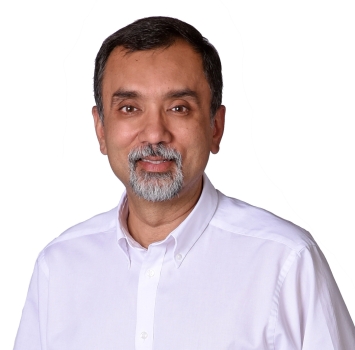
My thanks to Dr. Greg Dubord (pictured inset) for offering to co-authour this blog with me (and doing most of the work). His resume is too long to list but briefly Dr. Dubord is the founder of CBT Canada (www.cbt.ca) and a leading advocate of medical CBT. He completed his training under CBT’s Founder Dr. Aaron T. Beck and was the first Canadian Fellow of the Beck Institute. He has provided medical CBT workshops at many Family Medicine Forums.

In 1911, sociologist Robert Michels observed that most democratic organizations drift toward oligarchy. Given enough time, leaders insulate themselves from member accountability, prioritizing institutional preservation over their founding mandate—thereby betraying the founders’ intent. This is mission inversion: institutions founded to serve a profession end up prioritizing institutional interests over member needs. Michels called this the “Iron Law of Oligarchy,” predicting it would afflict even the most well-intentioned groups.

The iron law helps in understanding the behaviour of the College of Family Physicians of Canada (CFPC). When PGY-3 proposals drew overwhelming opposition at the annual meeting of members (AMM), when member motions achieving 94.78% support were later treated as non-binding, when members face detailed behavioral codes while the bylaws contain no published reciprocal standards, when automatic fee increases are proposed while “only 25% felt annual fees were worth the expense,” and when basic records requests under statutory rights receive no response addressing the request—these aren’t random frustrations. They’re textbook iron law symptoms of an organization completing its evolution from member-serving to self-serving. These observations reflect structural patterns common to many long-standing organizations and are not personal criticism of current leadership.

Which brings us to ten specific reforms. We are submitting ten governance motions for the November 2026 CFPC AMM. Each addresses structural gaps enabling oligarchic drift:

1. Board and committee minute transparency: CFPC bylaw is silent on minute access beyond requiring an annual report. This motion requires board and committee minutes be posted within 30 days of approval, with redactions only for privileged matters requiring board vote and logged publicly. This directly implements Motion 9a from the 2023 AGM, which passed with 95% support but appears unimplemented after two years.

2. Member portal for governance documents: Transparency requires accessibility. This motion creates a searchable digital portal for board minutes, committee records, policies with version history, redlined comparisons showing changes, and board voting records on contested matters. Modern technology makes this standard practice—if CFPC can build CFPCLearn, they can build member transparency.

3. Corporate records access policy: Section 21 of the Canada Not-for-profit Corporations Act (CNCA) grants members statutory rights to corporate records, but CFPC has no public policy operationalizing these rights. This motion establishes response timelines (acknowledgment within two business days, substantive response within 10 days), fee structures capped at reasonable copying costs and appeal mechanisms for denials.

4. Leadership code of conduct: CFPC leadership adopted a detailed member code of conduct in 2025 governing member behaviour toward staff. However, the bylaws contain zero reciprocal standards governing how leadership and staff interact with members. This motion creates a reciprocal leadership code requiring good faith, respect, courtesy, procedural fairness, and timeliness. 

5. Member satisfaction survey transparency: CFPC’s January 2022 member satisfaction survey (as reporting in Canadian Family Physician) showed 25% satisfaction ratings. This survey is no longer publicly available on the CFPC website (but is archived at the National Library of Medicine at this link). No member surveys have been published since. This motion requires annual member satisfaction surveys with published methodology, response rates and complete results, ensuring members can assess whether their mandatory fees produce acceptable value.

6. Policy change documentation and impact analysis: Major policy changes significantly affecting member time burdens or costs currently proceed without documented consultation, needs assessment or alternatives analysis. This motion requires red-lined comparisons showing exactly what’s changing, impact analysis quantifying time and cost implications, documentation of alternatives considered and 90-day member consultation periods before implementation.

7. Member complaint tracking system: Members who raise governance concerns have no way to track whether complaints were received, reviewed or resolved. This motion establishes a tracking system (with anonymized quarterly summaries published) ensuring acknowledgment, investigation timelines, outcome notification and appeal rights. Transparency prevents complaints from disappearing into administrative black holes.

8. Electronic voting for annual meetings: The current annual meeting voting system restricts participation to those who can either attend in person or can navigate proxy procedures. The CFPC’s Lumi platform has supported secure, real-time electronic voting for member meetings for many years—yet CFPC has not consistently activated this functionality for member motions. This motion requires the permanent activation of electronic voting with real-time results display, expanding democratic participation using existing technology. 

9. Member motion submission reform: CNCA Section 163 grants members statutory rights to submit motions 90-150 days before AGMs, but CFPC’s practice has stretched this to 140+ days—effectively disenfranchising members who observe problems after the extended deadline. This motion reduces the submission window to 60 days prior and creates emergency procedures for urgent matters arising after the cutoff, ensuring responsive member democracy.

10. Independent ombudsman with enforcement authority: The nine preceding motions mean nothing without enforcement. This motion establishes an ombudsman structurally independent from CFPC management, with authority to receive confidential complaints, investigate with full document access, issue binding recommendations, and report publicly on systemic patterns. Real accountability requires independent oversight—not self-policing by the same leadership structure these motions address.

These motions aren’t attacks—they’re the structural reforms many organizations need after 70 years of the iron law doing its mischief. A transparent, accountable CFPC could become the powerful advocate physicians need—championing educational excellence, defending professional autonomy, and ensuring Canadian families have access to well-supported, continuously learning family doctors. Details will follow here in the new year, and CFPC members will decide at the November 2026 AGM whether their college serves them—or itself.

It Appears Family Doctors are Giving Up…

Recently, I attended the Menopause Society’s Biennial National Scientific Conference. I’ve long felt that medicine as a whole has done a poor job on women’s health issues, and wanted to learn more about what I can do to better help my patients. The conference itself was packed (over 600 attendees). Half of them were family doctors like myself. As with all medical conferences, not only did I get the chance to learn some valuable information to benefit my patients, I got a chance to network with colleagues from across the country.

Sadly however, a rather large number of family doctors I met were in a similar state of mind. They were tired, burnt out, and were actively exploring ways to stop practicing family medicine. In short, they were all giving up.

A dear friend of mine is taking 6 months off her practice to re-evaluate her work (despite having helped countless numbers of people over the years). Another physician has found happiness working part time at a specialty clinic and occasionally doing locums (vacation relief work). Another is actively looking to find someone to take over his practice. Another is simply going to close her practice after two years of trying to find someone to take over. Another…….ah, you get the point.

About one -third of the family doctors I spoke to were all at some stage of quitting family medicine. Given that Canada has 6 million people without a family doctor – which is already a disaster- it’s safe to say our health care system won’t survive if this happens.

About the only part of the country where family doctors seemed to want to carry on was Manitoba. They cited a new contract that fairly compensated them for their work, and a reasonably positive working relationship with the government. I guess that’s why Manitoba set a new record for recruiting physicians last year. Paying people fairly and working with them co-operatively will attract new talent? Who knew?

(As an aside, Manitoba is also the only province I am aware of that has a specific billing code for counselling women on issues related to peri-menopause and menopause).

But I digress. The question becomes why are so many family doctors planning on giving up? I would suggest it’s a host of issues. There is an increasing level of burnout in the profession. It’s primarily driven by by the administrative workload which has gotten out of hand. For example, I recently went on vacation to Manitoulin Island, and while waiting for the ferry, I couldn’t help but pull out my laptop and check my lab work and messages. I knew that if I didn’t check my labs every day, the workload on my first day back would be crushing.

Me in my car, waiting to get on the Chi-Cheemon ferry to Manitoulin Island, checking my labs and messages on my Electronic Medical Record (dummy chart on screen)

There’s also the constant delays in getting patients tests and referrals to specialists. The most common message I get from my patients is something along the lines of “I haven’t heard from the specialist/diagnostic test people yet, do you know when it’s going to be?”

And of course there is the ever present “But my naturopath told me you could order my serum rhubarb levels for free” and “I did a search online and it told me I need a full body MRI”.

The worst part of it of course, is that the family doctor becomes the brunt of the frustration and anger that patients express when the health care system doesn’t live up to their expectations. I had to tell three patients (while I was on vacation) that, no, I couldn’t do anything to speed up the specialist appointment. Four more were told that I had in fact called the pharmacy with their prescriptions – and I had the fax logs/email logs to prove it. And so on…

So what can be done?

In the absence of anything else of course, the first thing is to pay family doctors more. Recently, the Ontario Medical Association (OMA) and the Ministry of Health (MoH) have rolled out the “FHO+” model of paying physicians. There is a slight bump in pay (about 4% for the next fiscal year over this year). There is also an acknowledgement that administrative work needs to get paid and some other tweaks. It’s perhaps a start, but in the current system, a 4% raise will not stop the haemorrhaging of family physicians.

What really needs to happen is for Ontario to forcibly, quickly and rapidly move to a modernized, province wide electronic medical records system. I’ve been talking about this for years and years and even presented on this to eHealth Ontario (in 2018!). But I have not been able to explain it as well as my colleague Dr. Iris Gorfinkel did in her recent Toronto Star Op-ed. (It’s a really good read and I encourage you all to read it). To shamelessly quote her:

“A fully integrated, province‑wide, patient‑accessible electronic health record system should no longer be viewed as a luxury, but an essential part of the solution to Ontario’s existing crisis…… It would free family doctors to do the work only we can do.”

Secondly, we need to rapidly move towards team based care with family physicians as the lead of the team. While the MoH is announcing teams proudly in the hopes of connecting patients with doctors, the rollout seems kind of uneven. They amount to a call for proposals as opposed to a specific evidence based structure of how these teams should run. There’s also no specific role guarantees for family physicians in these teams (beyond saying they are important). The process seems slipshod at best.

Finally, at the end of the day we must not shame or diminish those family physicians who have given up. Many of them have spent years, if not decades fighting for better care for their patients. The fact that the unrelenting bureaucracy of our cumbersome health care system finally got to them and made them give up should be cause to shame the people in charge of health care, not the individual physicians.

Let’s hope that message gets across.

Study of Family Doctors Choosing “Other” Work Leaves Me with Mixed Feelings

Last week, a study published in the Annals of Family Medicine revealed what those of us in medicine knew all along. More and more, physicians who are trained in comprehensive family medicine, are choosing to do other things. There are a myriad of reasons for this (ranging from poor remuneration, lack of respect from government, incredible admin burden and more). But the blunt reality, which is very very bad for the people of Ontario, is that despite having enough family doctors, not enough of them are practicing comprehensive care family medicine, and more are expected to stop.

There was of course, a large amount of press interest in the study, and rightfully so. Probably the best interview given by one of the studies authors was by my friend Dr. Kamila Premji (who is brilliant) and can be listened to here.

I was fortunate enough to be asked about this issue last week on “Toronto Today” with host Greg Brady. As I explained to him, I personally am left with decidedly mixed feelings about the report.

The Hope

It’s not like people haven’t been talking about this for a long time. Heck I wrote about how Ontario does NOT have a shortage of family doctors, just over a year ago. I pointed out that family doctors were leaving to do other things then.

But now that there is a comprehensive study done on the matter, maybe, just maybe, the bureaucrats at Ontario Health will finally do something positive about the matter. (I won’t bet the mortgage on it – but there is a teensy little bit of hope).

The Frustration

It’s precisely because people have been talking about this for such a long time that I was also frustrated that this issue hasn’t been dealt with yet. Dr. Premji herself warned about this issue years ago. My friend Dr. Mathew (another doctor much smarter than I) pointed out how the system has been deteriorating since 2012 . Dr. Nadia Alam, a former President of the Ontario Medical Association (also a dear friend much smarter than I) wrote in 2018 about the fact a crisis was coming in Family Medicine. And yes, a certain grumpy, miserable and cantankerous old bugger wrote back in 2017 about the need to support Family Medicine and warned that the shortage of comprehensive care Family Physicians was going to get worse if nothing was done.

All of these doctors were ignored. When Dr. Alam wrote her blog, “only” 800,000 people in Ontario didn’t have a family doctor – we are over 2.5 million now.

Thinking about how much better off we would be if the bureaucrats at Ontario Health hadn’t unilaterally ignored these doctors makes my blood boil.

The Fear

Which brings me to my biggest fear in all this. When I look around at some of the Ontario Health staff, and see some of the reports/decisions and directions given by various committees/panels/departments of Ontario Health, I see frankly, a lot of the same old names and faces. The same bureaucrats that ignored Dr. Alam and others for over a decade, and have made bad decisions and recommendations ever since, are still in charge. Many have been promoted. All of them are going to retire with full pensions. And yet now, they will likely be tasked to find a solution to the very mess that they failed to foresee and in many cases aided and abetted in creating.

If I may paraphrase Albert Einstein a little bit, to expect the same people who consistently and repeatedly made wrong decisions over the past ten years to suddenly not make a mistake with the next set of decisions is surely the definition of insanity.

So What’s Next for Family Medicine in Ontario?

As I think most of us know, Dr. Jane Philpott has been tasked by Ontario Premier Doug Ford to lead the new Primary Care Task Force. Her stated goal is to ensure every resident of Ontario has primary care within the next five years. She has a strong relationship with Dr. Tara Kiran, one of the more visible authors of the study on family doctors. Both seem to be working closely together.

Both of them seem genuinely passionate in their support of family medicine. They also understand the foundational importance of family medicine in a strong health care system. I believe they both have the desire to fix this crisis as soon as possible. We should all want them to succeed, because success means a healthier population for all Ontarians.

But…..

To date, I haven’t seen in either of them the willingness/ability/chutzpah/brass necessary to tell off our woefully incompetent bureaucrats at the Ontario Health and tell them which direction we need to go in. As I mentioned above, we just cannot rely on the advice the bureaucrats are giving anymore – nor the processes they have put into place.

One small example of ongoing bureaucratic incompetence if I may. It’s been know for over fifteen years now that our health care IT systems are completely disorganized and don’t talk to each other. The situation is so bad that healthcare is the ONLY major industry in which fax machines are still used (seriously). It’s so wasteful that it’s been estimated that we could save $2.1 billion dollars a year if we unified our health IT systems. (Which ironically is about how much Dr. Philpott has been given to fix the family medicine crisis).

Recently, Ontario Health announced that it would develop an electronic referral system to get rid of faxes. Sounds great. But unfortunately, a deep dive of their plan suggests that each of Ontarios 180+ health teams is to pick their own software. Which means you could have a situation for someone like myself, who has patients from two different areas, being forced to use two different electronic referrals systems. Which will do absolutely nothing to reduce my admin burden, the same admin burden that the study’s authors admit is driving physicians away from comprehensive family practice.

The family medicine crisis desperately needs to be fixed in Ontario. It will take a combination of a seamless electronic record system, processes in place to reduce paperwork, increased pay for family doctors (including pay for admin work and retention bonuses) and yes teams where the family doctors guiding them. But I don’t think any of that can happen until we clean out the bureaucrats at Ontario Health.

Primary Care Reform Needs More Than a Phone Call 

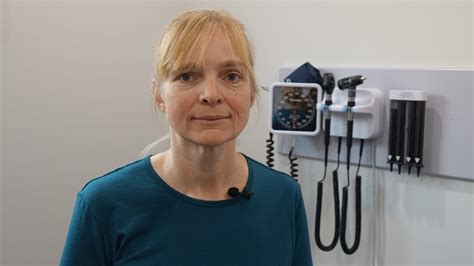
Dr. Madura Sundareswaran  once again guest blogs for me. She’s a community family physician who’s resume is too long to print here. She helped found the Peterborough Newcomer Health Clinic and is a recipient of the CPSO Board Award which recognizes outstanding Ontario Physicians. I happen to think she is one of our brightest young leaders.

I was feeling incredibly optimistic after Friday’s SGFP report, which articulated the importance of family physicians in addressing the current primary care crisis. But that hope was abruptly crushed by a recent email I received from Ontario Health East. Ironically, it serves as a prime example of how health systems transformation continues to follow a top-down approach with little regard for the realities of primary care delivery.

In its latest communication to its members, Ontario Health East outlines a two-step strategy for clearing the Health Care Connect waitlist. 

Let’s talk about the good first. 

Given that the Health Care Connect waitlist has been largely stagnant, the proposal to verify and update the list is reasonable and welcomed. 

In its latest proposal, Ontario Health East also commits to providing “interim services” for patients who are not immediately matched to a family physician or primary care team. This is great – and arguably where the new “Care Connector” portfolio should focus. Why? Because this is what many Ontarians need right now: assistance navigating our complex healthcare system without a family doctor.

Now, the not-so-good.

A large part of Ontario Health’s plan is to connect with every primary care clinic in the OHT to determine available capacity. If I am reading this correctly, they want to cold call every primary care clinic in the region and ask if they are accepting new patients. Are they aware that people have been trying to do this for years…? 

To their credit, Ontario Health has expressed a commitment to support capacity-building. They’ve emphasized exploring “creative ways” to expand capacity at the individual clinician level — but this language effectively masks the absurdity of the underlying ask. The expectation appears to be that family physicians, already working at or beyond full capacity, can somehow stretch further, simply by reimagining how we work — all while receiving little to no additional resources.

To their credit, Ontario Health has expressed a commitment to support capacity-building. They’ve emphasized exploring “creative ways” to expand capacity at the individual clinician level — but this language effectively masks the absurdity of the underlying ask. It assumes that family physicians already working at full capacity, can somehow stretch further, by simply reimagining how they work — with little to no additional resources.

I’d like to apply the trending analogy of comparing our healthcare system to the public education system.

Imagine 30,000 children in your community suddenly need a place in schools – all at once. Instead of building new schools, adding classrooms, increasing the budget for school supplies, or hiring new teachers – the plan is to call each teacher and ask if they can “accept a few more students.” Not just one or two students– try about 100 each. Now teachers, please brainstorm how you can better meet this need (on your free time, of course).

Parents and teachers – would you allow this to happen? 

The dilution of services is not the solution to this primary care crisis. This government’s current focus is entirely on numbers – with little regard for the quality of care being compromised in this process. What happens when each of us have 100 more patients with little to no additional support? 

Some argue that teams will offset this burden. Full disclosure: I do think teams can help. But whose responsibility will it be to create medical directives, identify how the teams can best work, and continue to engage in quality improvement and assurance as this new process evolves? Family physicians. Back to the classroom analogy – it doesn’t matter how many other support staff you hire, a classroom of 130 students needs more than one teacher

This proposal assumes we haven’t already asked—more accurately, begged—family physicians to take on more patients. We have, many times. And with limited success. And before I’m criticized for being negative or dismissing innovation, allow me to share my own experience.

In 2023 I founded the Peterborough Newcomer Health Clinic with the intention of supporting newcomers to Peterborough transition to the Canadian Healthcare system. In this process, I follow newcomers for 6-12 months after which I personally cold call family doctors and primary care nurse practitioners to see if any of them will accept my patients after I have done a great deal of work completing intake assessments and consolidating all previous health records. I have already brainstormed and implemented strategies to make the transition as easy as possible. Have I successfully attached my patients? Rarely. Many of these patients remain unattached. 

This is just one story. Many in our community — advocacy groups, primary care providers, and local organizations — have made similar efforts with limited success. And let’s not overlook the fact that this proposed model of attachment completely ignores the issue of inequitable access for marginalized populations (another post for another time).

As I sit here on a Sunday, preparing to enter the week without sounding like a “grumpy physician,” here are my final thoughts. 

  1. In this race to reach 100% patient attachment to primary care; we must advocate to ensure that this is not done in a way that dilutes existing resources, compromises existing access to care and devalues family physicians who are currently working at full capacity. We need to protect our existing workforce and support sustainable growth. I encourage every user of our publicly funded healthcare system to advocate for this.
  2. Family physicians – I urge you to continue to advocate for better remuneration and exercise caution when pressed to roster more. Please remember that our contracts exist with the Ministry of Health and Long Term Care. When new opportunities arise – exercise due diligence to ensure that what is being asked of you aligns with the policies of your own practice/organization and the CPSO.
  3. Rushed, expensive, and poorly planned reforms that focus on quantity, not quality is not good for patient care. Failing to address the core issues with primary care – demonstrated by fewer and fewer family physicians choosing to practice comprehensive, community-based family medicine – is resulting in top-down, expensive, and band aid solutions to the primary care crisis. It edges on careless spending on taxpayer dollars. We should advocate for a system that prioritizes sustainable, safe and equitable care – not just a solution for tomorrow. 

Disclaimer: The views expressed in this piece are my own and do not necessarily reflect those of any affiliated organizations or institutions.