

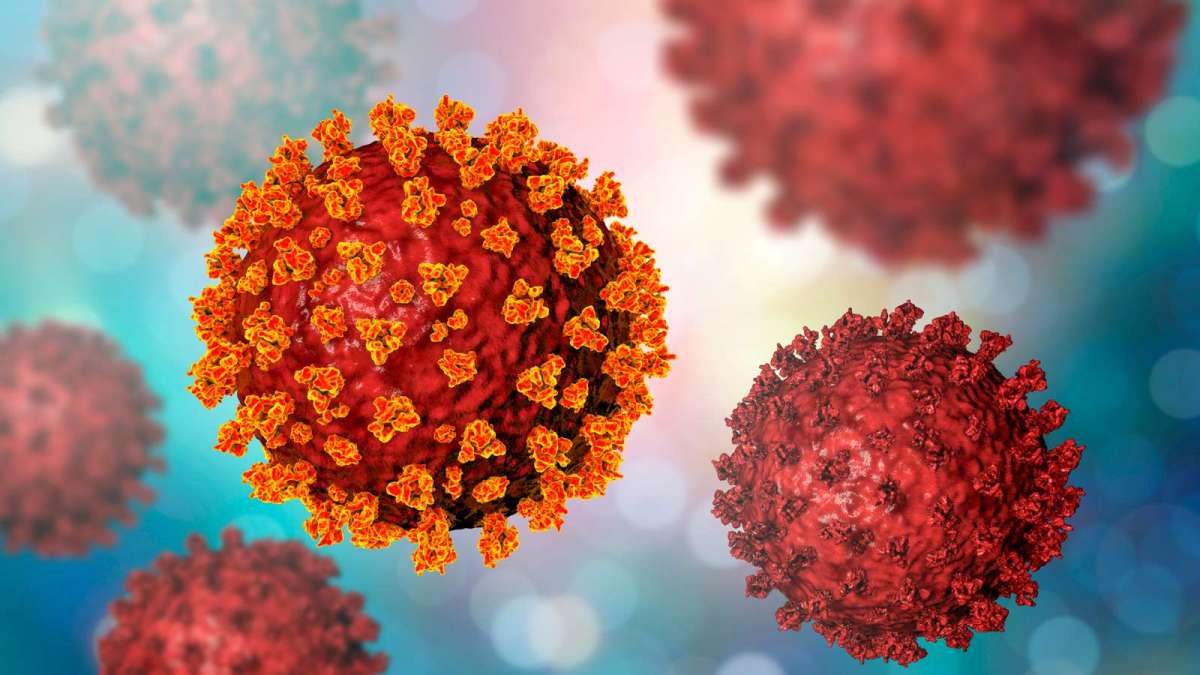
We’ve learned much about COVID-19 since the first infection was announced in 2019. This has helped us develop better treatments and better prevention strategies. We’ve learned that COVID has settled into a fairly consistent annual pattern. There’s a smaller summer wave (end of July to mid-September) and a larger winter wave (November to January). The larger wave ends around the time flu season starts.
This year the summer wave has started in the United States. Wastewater concentrations of COVID are starting to increase in southern and western states (yes they are still low, but they are trending upwards). ER visits with proven COVID cases are also growing in the southwest. So the wave is beginning.
As I write this, the Canadian wave has not yet begun. In particular, the Ontario numbers are still low overall. Local fluctuations are occurring however, and if trends hold as they have done over the past few years, we can expect the COVID wave to start in August, and peak in early September.
The current U.S. wave is due to an Omicron strain of the virus designated as Nimbus. Thankfully, it appears that the Omicron strains cause less serious infections (though may spread more quickly). This means that existing immunity from prior infection and immunizations continue to provide some meaningful protection against severe disease.
With that in mind, what should Canadians do to prepare for this summer wave? For healthy people, I actually think we’ve reached a point where it’s unreasonable to say “avoid COVID at all costs.” With COVID being so widespread and so frequent, our goal should now be to take a risk-based approach.
What EVERYONE Should Do
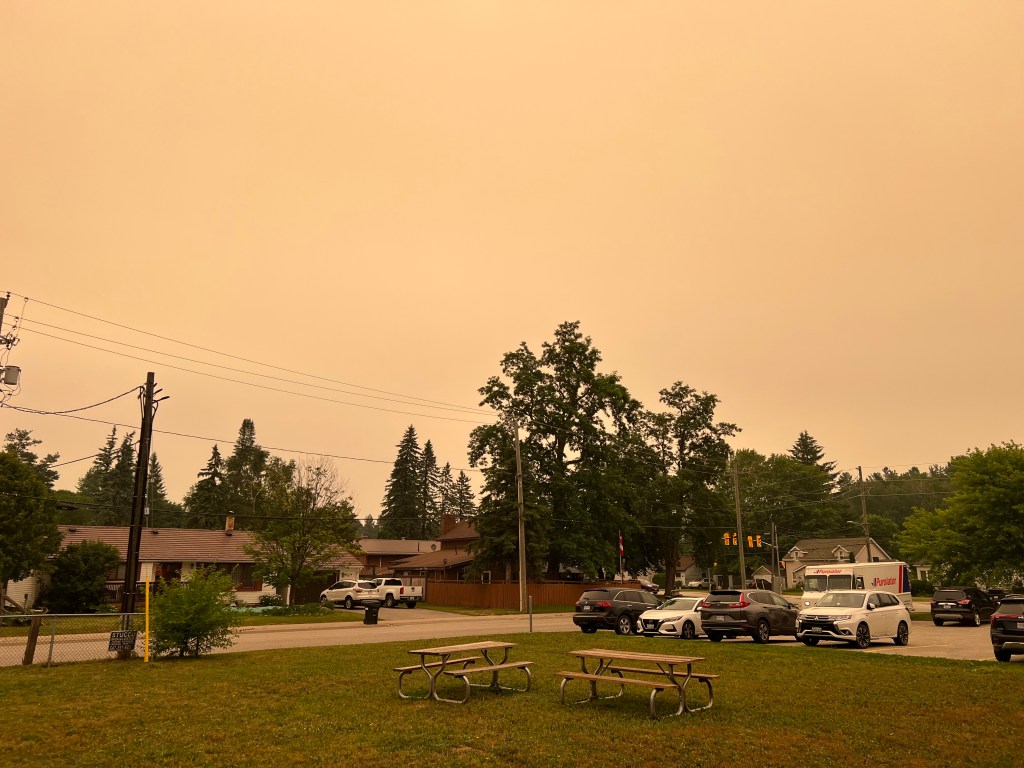
We all benefit from better air quality, particularly indoor air quality. While all of us love air conditioning, opening windows when practical really helps increase airflow circulation and is very beneficial. Now let’s be clear if it’s an exceptionally hot day, or if it’s a wildfire smog filled day where it looks like the surface of Venus , then obviously the windows should stay closed. But when practical, opening windows is good for air quality.

Make sure you have HEPA air purifiers. I have one in every room in my office. Putting an air purifier in high volume rooms in your home is a good idea.
Social gatherings should also be outside. Fresh air and sunshine – just what your grandmother ordered.
I appreciate this next bit of advice will go over like a lead stone for some people, but I think it’s important that you keep a few well-fitted N95 masks around as well. You can buy these online. I’m not suggesting you need to wear them all the time, I believe we’re past that. However, in the event that a wave hits and you have to go to a crowded environment, or you’re feeling unwell, it’s better to have these ready and available, rather than scrambling to find one at the last minute.
Similarly rapid antigen tests are also useful to keep at home. You can get these from most drug stores. They are unfortunately a little less sensitive for Omicron than they were against the early variants, but they’re still fairly useful. Again, I’m not suggesting you swab every day if you’re feeling well. But if you do develop flu-like symptoms in August, then it’s helpful to already have the tests at home. Please note that a negative test does not completely rule out an infection, especially during the first 24 hours of illness. Doing a second test a day or two after your first test will improve the accuracy of the test.
If you do become ill, then of course, I would hope that you would have the good manners to stay at home. Symptoms of a covid infection are generally the same as most other respiratory illnesses (sore throat, cough, low-grade fever, fatigue). Most physicians now do virtual visits, and so you can still arrange to speak to a physician or video call them if you’ve got these types of symptoms, without infecting their whole waiting room. If you are sick, please have the common decency to avoid visiting people who have significant health issues, as those people, if they get COVID, have a significantly higher chance of deteriorating rapidly.
Get immunized! Most patients should get a yearly Covid shot, generally in the fall. Enough of the clot shot/fakecine/frankenshot/globalist serum/fauci juice nonsense. By Aug of 2024 over 13.7 BILLION Covid Vaccines were given worldwide (including over a 100 million in Canada). None of overwrought, neurotic claims about how we’re all going to die if we got the Covid shots have come true. Protect your self and your loved ones and get an annual vaccine (click here to get your shot).
And of course, there is the same advice that grandmothers have been giving forever. Eat right, exercise regularly, maintain a healthy weight, control your diabetes, quit smoking, take your vitamins (2,000 international units of vitamin D daily and 500-1000 mg of Vitamin C daily would be a good start for Canadians). Doing all of that will not prevent you from getting COVID, but they certainly are associated with a much better outcome if you do get COVID.
What Those Who are Elderly or Have Significant Health Issues Should Do
In additions to the above, significantly ill or immunocompromised patients might benefit in getting a Covid vaccine twice a year. Please discuss this with your doctor. Additionally, knowing that they are at higher risk, they should be prepared to avoid indoor activities with the general public during the coming Covid wave. For example, many grocery stores deliver now, so there’s no need to go shopping. Avoid larger indoor events where possible. If travelling by bus or plane, just go ahead and wear a mask during a Covid Wave. Call your doctor when you first get sick as you may qualify for some of the newer treatments for Covid.
The last word.
This year appears to be trending for a moderate COVID wave as opposed to a severe one in August. If we all take reasonable, cautious precautions, we can hopefully keep it under control.


I really appreciate your continued writing on COVID, in an age where society has decided to conveniently forget that it exists, despite its obvious health effects. Thank you!
As a respected physician, you’re in an ideal position to educate people about other serious risks of COVID infection, including the risk of long COVID, which remains high even for people with prior immunity. Moriarty’s Canadian Covid Hazard Index team (UofT based) estimates this risk biweekly. Current estimate is that about 1000 Canadians are developing long COVID every day (page 13).
https://covid19resources.ca/covid-hazard-index/
These are the low end estimates. Due to COVID’s impact on the immune system, prevalence of long-term effects from the virus are likely much higher. For example, CD8 T cells take a 10% hit in mild patients, even 22 months after infection. This is bad for cancer prognosis, and the prognosis probably gets worse with repeated infections.
https://www.sciencedirect.com/science/article/pii/S1201971225005090
https://thetyee.ca/Analysis/2022/11/07/COVID-Reinfections-And-Immunity/
As someone whose life has been ruined by my long COVID, I wish a medical expert had educated me properly before my infection. The risk of life ruining illness does not outweigh the cost of wearing a fit tested respirator in all public spaces for me. Many people are taking well-intentioned precautions at home, such as opening windows, which are valuable actions but ultimately will not prevent infection from unmitigated exposure to a ubiquitous virus. Moriarty’s estimates, along with Hoerger’s, and also Johnson’s wastewater sampling program in the US, convincingly demonstrate that COVID is not a seasonal virus, but is present in the community at all times (albeit with waves, and anomalously low wastewater recently).
Hoerger: https://pmc19.com/
Johnson: https://dholab.github.io/public_viz/001-make-by-city-and-by-virus-dashboards/index.html
We have also evolved beyond HEPA purifiers in a short time, with the realization that maximizing clean air delivery rate (CADR) is the most effective way to reduce indoor steady-state concentration of virus. This is most cost effectively done by using MERV furnace filters, and a small industry of manufacturers have begun to sell these massively improved purifiers. The major Canadian name here is Northbox. Other commercial options include Nukit and Clean Air Kits.
https://aidankepo.wixsite.com/northboxsystems
We also now have ample evidence that the risk of long COVID increases cumulatively with roughly annual expected COVID infections, so we’re all at risk for negative health outcomes with continued exposure. Malgorzata Gasperowicz (developmental biologist) has a nice graph and thread summarizing available evidence on cumulative reinfection risk.
https://twitter.com/GosiaGasperoPhD/status/1775408706420986319
Again, from the bottom of my heart, thank you for your continued reporting on this crucial public health topic!
LikeLike