Dr. Alex Duong: The Challenges Facing an Early-Mid Career Family Physician

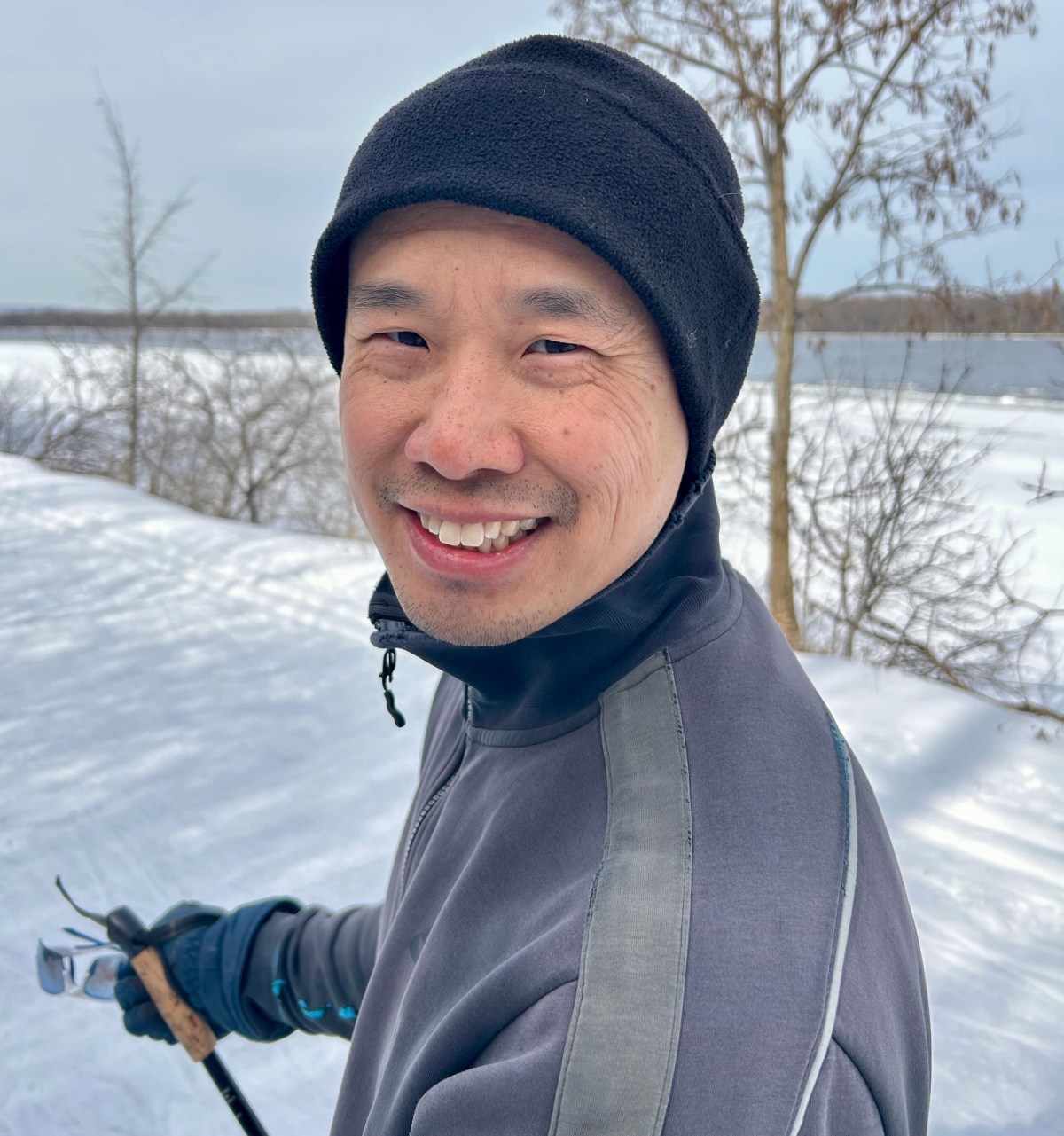
Dr. Alex Duong, a family physician from the Vanier district of Ottawa (which amazingly enough is one of the more underserviced areas of Ontario).

Recently, Maria DiDanieli, the clinical lead for system navigation at the Burlington Family Health Team, published an opinion piece in Healthy Debate that was critical of the decision of Drs. Alam/Mathew and yours truly to recommend that family practice residents bide their time instead of starting up a comprehensive care practice in Ontario. Dr. Duong replies and has kindly allowed me to reproduce his reply here.

I am a full-time community family physician, and I read this article with great disappointment.


I am at the face of our health care system. When patients cannot get a timely breast biopsy or a knee replacement, they come to ask me. I address their frustrations, alleviate their pain, and manage expectations.


I am the backstop when issues are missed during transitions in care and issues that require follow up.


I am the navigator that helps patients, and their families orient themselves to housing resources, mental health and financial resources.


I am the advocate for my patient’s health when they deal with their employer or insurance companies.


I do all these things and more, alongside everything from newborn care to palliative medicine.


I, like the great majority of family physicians, take pride in our work, and in what we contribute to our patients and the community at large. But Banks do not grant loans for a new clinic based on my contributions to Ontario’s healthcare system. My rent payments do not decrease because of the positive impact I make on my patients’ lives. The salaries of our exceptional staff are not funded by the sound of clanging pots and pans.


Today, to outfit a new clinic with the minimum number of physicians for a FHO requires high 6 figures to 1 million dollars, loaned at 6.95% interest. We guarantee our own lease – we are on the hook for ensuring it gets paid for the entire term. We are responsible for hiring and ensuring our staff are paid a living wage. We invest our own time in making sure the clinic runs. For many community family physicians like me, there is no assistance for any of this from any level of government. No money for staff, no incentives for starting up, no support for logistics. We are in a precarious, failing business model with ever growing administrative burdens patching the system equal to a part-time job. We have been trying to expound on this, and frankly have been completely unsuccessful in this.


You realize that “… there does not seem to be much political will to improve this situation at this time.” Yet, you ask family physicians to work harder expecting a different result from the government.


You state that “With these current barriers and shifts, any new practice can feel fragile or vulnerable to imminent obsolescence.” Yet, you expect new graduates to take on a massive financial risk: long term lease, EMR contracts, and double their already tremendous debt in start-up costs.


You lament that “Instead of acting as beacons of wisdom, encouragement and level-headed advice, we see a growing shift toward inciting everyone to walk out!”. Do you apply this standard to the teachers in Quebec who recently concluded a strike? Are they less dedicated to their students? Do you apply this standard to all groups who organize to make their voices heard?


The authors, Drs. Alam, Gandhi and Mathew made it clear that there are many options available to new family doctors. They warn of the current state of specifically locking into comprehensive family medicine, to ensure that new grads do not put themselves in a position where they will be burnt out early in their career. To me, leadership requires honest conversations, not empty promises, or exploiting the ideals of new family doctors. I find it unethical to sell a romantic vision of what it is like to start and maintain a Family Medicine practice in the current environment. It is a recipe for moral injury when those ideals run flat into the economic realities, as I have experienced.

And frankly, to say to those of us, like myself, still practicing longitudinal family medicine we should be working harder, or we are just doing family practice wrong is demoralizing. It is grossly offensive to my early-mid career family medicine colleagues who have burnt out through great moral struggle and guilt. Disillusioned family physicians who leave longitudinal family practice will not return. The greater harm to the public and to patients is not the Star article that speaks truth to the issue, but the issue itself: that family physicians, whose concerns are being gaslit, continue to leave longitudinal practices.

Dr. Corli Barnes on the Challenges Facing New Family Physicians

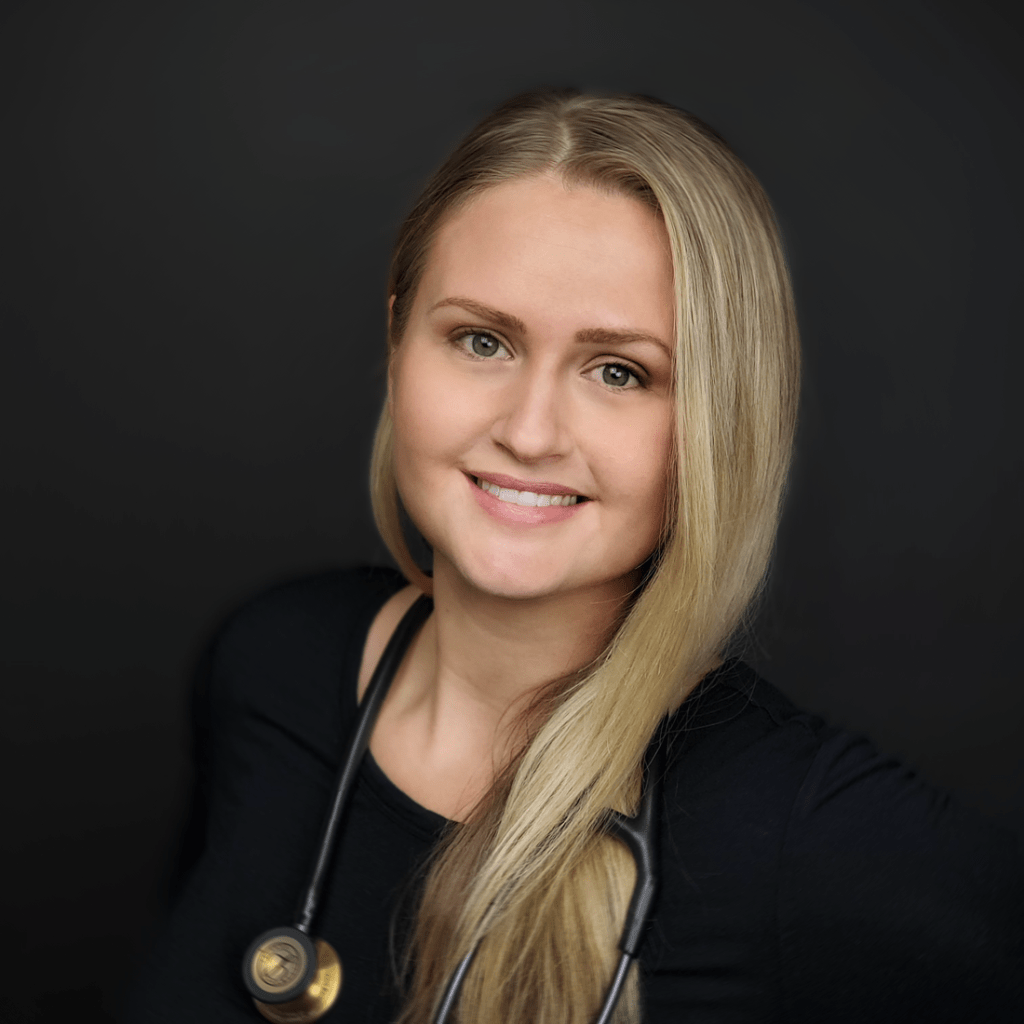
Dr. Corli Barnes , pictured here, guest blogs for me today. She is a Family Practice resident who is just completing her residency. She sent the following letter to the Sudbury media after reading reports about the crisis in family medicine. I thank her for allowing me to reproduce the letter here.

Hi Len,

I read your article about family physicians. I am a second-year family medicine resident here in Sudbury, ON, originally from Manitoba. Thank you for taking the time to help raise awareness about the crisis in Family Medicine. I wanted to write to you to offer a viewpoint not often accounted for in this conversation.

I’m about to graduate as a family physician. After ten years of climbing that Mount Everest, eight of those years without an income, paying for two full-time degrees plus inflation and living costs, I’m $350,000 in debt. That’s living on around $31,000 a year.

The government just denied me loan repayment assistance because I get paid ~$68,500 a year as a resident. The cost to write my final exam just went from around $1,500 to $4,201. When starting a practice, a monthly bill of anywhere from $7,000 to $12,000 in overhead is waiting for most grads who take up a clinic practice, plus ~$2,000 a month in interest on debt if you supported yourself through school.

When I start practice, I can expect the Ministry of Health to take it’s time (at least two months) to approve my funding model. My first paycheck will come in at fee-for-service levels that won’t cover my costs.

About a year and a half ago, after working a 60-hour week, I started to quietly panic when I did the math to project my net income as an attending physician. Clinic-based family medicine is my passion, and I realized that it wasn’t going to work out based on the way most physicians work. I wouldn’t be able to even begin to pay off my debt.

After all that work, sacrificing my twenties, my health, friendships, and enduring the stress of medical training – I wouldn’t be able to cover my living costs as an attending family physician.

Try imagining uprooting your entire life to go on a pilgrimage to a promise land and when you finally get there, it’s a shell of what it once was. A ghost town with worn out buildings and hardly anyone in sight. You’re 10,000 miles from home and way worse off than when you started.

The only promise this journey has fulfilled is providing the education necessary to safely and meaningfully help people who are sick and enable them to seek wellness.

A family doctor is the only professional that is trained adequately to be able to pick out disease from the general population. It is the only medical specialty educated in every body system, who is there to catch those who fall through the cracks, prevent disease, and deliver medicine in a way that suits an individual.

This work will always be challenging and meaningful, requiring dedication to keep up with rapidly increasing medical knowledge and motivation to continue to seek excellence. The challenge is great, and the reward for doing it well – a healthy patient – even greater. This is why I’m passionate about it, and sad to see it fall apart and go unappreciated. It’s hard to watch as its integrity is cheapened by being grouped into an emerging category of primary care providers with far less training and liability, and have its voice drown out by promises of funding that seem to keep ending up in someone else’s pocket.

Because of the way things are, I have had to pivot considerably by coming up with creative ways to practice medicine and supplement in my income in the future.

Many of my peers have elected to do emergency medicine, hospitalist, subspecialize in family medicine or locum while they contemplate their options.

With every news release, I read about funding for health teams, funding for free schooling for nurses, funding for nurse practitioners, funding for “programs to reduce administrative burden” that I have yet to see a benefit of. I open the news everyday, hoping to read something about increased pay for family physicians. Instead, I read about how negotiations are not going well with the government. I read that the planned increase of 2 or 3% has been cut down to 1% or 0%.

Sometimes, it’s hard to not regret going into any number of specialties I could have. I go to work, and I do my best to help the patient in front of me. They ask about where I’m going to practice with hope in their eyes. They leave feeling better, and I try not to think about the fact that for many family physicians, the thanks for that visit is just $12 to take home.

Eventually, fueled by the same determination that got me into medical school, I started to dig deep to find a solution that wouldn’t mean I would have to abandon my dream of opening a clinic-based practice. A solution that wouldn’t mean I have to give up freedom I’ve waited years for, work unsustainable hours or in a toxic environment bred by chronic underfunding.

I scoured Ontario looking for a place that would help fund the start of my career in a meaningful way while having a sustainable business model that supports good medicine. After around a year of this search, I am lucky to have found a place in Madoc, Ontario but I can report that it is a very hard thing to find.

I am sad to be leaving Sudbury, where I currently live and initially hoped to call home when I moved here in 2022. I hope this letter helps to raise awareness about the difficult situation many residents are in and how urgently family physicians need change.