OMA Manipulates Board Elections and Weakens Members Voices

On November 20, Ontario Medical Association (OMA) Past President Dr. Dominik Nowak sent all members an email encouraging them to run for positions in the upcoming OMA Elections cycle. As Past President, his role is to oversee the elections for over 100 positions. He needs to ensure they are fairly run so the voice of all Ontario physicians can be heard.
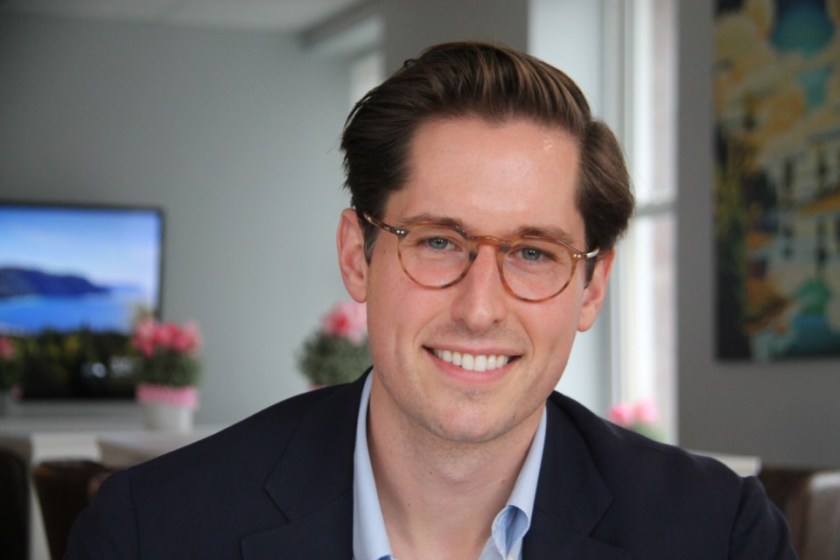
Current Past President of the OMA, Dr. Dominik Nowak

Unfortunately, the current Board has sabotaged this process and rather than listen to the members, will only present pre-approved candidates for Board Director, the most important role. They have the responsibility of ensuring the OMA speaks for, you know, the members. Buried in his email were the following statements:

  • A streamlined shortlisting process for board candidates, with two to four candidates, whose skills and experience align with the board’s needs, being presented on the ballot for each open position 
  • Stronger screening and evaluation for consistency and fairness of candidates 
  • More transparency about how the board performs and what gaps are in the skills-based matrix

There is no explanation of what exactly this “streamlined” process is. But it’s clear that there will be now be increased vetting of candidates and some candidates will be found wanting and not allowed to run. Now, there always was some vetting of Board Candidates. Candidates had to be in good standing with College of Physicians and Surgeons, the OMA, pass background police checks etc. Some basic stuff.

But now, undoubtedly based on the fact that something like 38 people ran for Board last year, the OMA Board has determined to vet candidates even more and reject qualified people if they don’t meet these nebulous criteria. Importantly, the criteria will be to pick candidates who align with the BOARD‘s needs, not the MEMBERS. This is of course, all in the name of “fairness” and “transparency” and to make decisions “easier” for physicians.

But here’s the thing, the Board will NOT do the vetting. Board’s don’t actually do any operational work. Their job is to set policy, and then let the staff of the OMA implement it. So it will be up to the staff of the OMA to vet the Board candidates, and then approve whoever is acceptable……..to the staff.

Colleagues, we have a big problem.

The OMA staff are generally good people who work quite hard on behalf of physicians. They get a lot of unwarranted criticism for decisions that are actually made by physician leaders. Our elected leaders that should bare the blame.

But, at the end of the day, the OMA staff are only human, and prone to human tendencies and failures. My friend Dr. Greg Dubord, who I was honoured to pen a blog with, introduced me to Robert Michel‘s “Iron Law of Oligarchy“. It would seem to apply just not to the CFPC, but to what is going on at the OMA. From Wikipedia:

… all organizations eventually come to be run by a leadership class who often function as paid administratorsexecutivesspokespersons, or political strategists for the organization. Far from being servants of the masses…. this leadership class, rather than the organization’s membership, will inevitably grow to dominate the organization’s power structures.[3]

And that is exactly what is going to happen with these new changes. The OMA staff (not physician leaders, but employees of the OMA) will review the candidates for Board. THEY will decide who meets certain criteria. THEY will determine how many candidates run for each Board position, hiding behind a policy the Board has set.

Will they do their best to pick some good people? Sure. But their definition of “good” may not be what the members want. For example, someone like Shawn Whatley was openly critical of the OMA prior to being elected as President. Would he have passed these criteria? How about Nadia Alam? Prior to getting involved in medical political activism she was a relative unknown with little leadership experience (even though she is arguably the most well respected President of the past 25 years).

Nope. My guess is they would have been found wanting. A total guess on my part would have been Dr. Whatley would be deemed “too disruptive” (he famously resigned from the OMA Board prior to being elected President). Dr. Alam would like be viewed as “too inexperienced.”

Worse, the blunt reality is that the staff will likely decide who is “best qualified” based on how well they can work with them (that’s just human nature). Not necessarily those who can, you know, push them and challenge them to do better.

The staff, generally being very nice people, always had a tendency to try to work co-operatively with the various government bureaucrats on bilateral committees. This is despite the over 30 years of evidence that always trying to be nice and reasonable just isn’t working. Cynics have suggested that its in part because they realize if they want to advance their careers – one of the places they can go after working in the OMA is the government, and it doesn’t help to burn bridges there. So why would they approve a candidate who had a reputation for being less than reasonable?

Want proof? Just look at how badly the OMA as an organization handled last year’s elections. I asked potential Board Directors to commit to filing a Freedom of Information Act request, to determine just how many patients Nurse Practitioners saw in a day and how much they cost the health care system per patient (easy to do with billing numbers). The goal was to get proof that they were more expensive overall (by a lot) than family physicians and slow down scope creep.

Not only did the OMA put a stop to that, they threatened the careers of people who signed that with a Code of Conduct violation. Can’t have people on the OMA Board who will be too aggressive can we? (Psst – hey Kim Moran, CEO of the OMA – how is sending strongly worded letters to the government asking them to stop scope expansion working out? Oh, right.)

Do you really think with that history, the current staff will allow someone even remotely controversial to run?

The OMA Board has shamefully allowed this to happen. As a result there will not be a diverse Board with many viewpoints that focus on members. Rather a bland, non-controversial Board that will be limiting to speaking in political jargon speaking points in response to all issues.

Physicians will truly be hurt by this short sighted decision.

Open Letter to Premier Francois Legault

The Honourable François Legault, M.L.A.
Premier of the Province of Quebec
Édifice Honoré-Mercier, 3e étage
835, boul. René-Lévesque Est
Quebec QC G1A 1B4

Dear Premier Legault,

You probably don’t know who I am, and are wondering what propelled me to write an open letter to you. I decided to write to you after doing a radio interview with Greg Brady on his show Toronto Today. During the interview, Greg asked me to comment on the strife between you and the physicians in your province. He brought up the fact that in the past couple of weeks, 263 physicians from Quebec have applied for a licence to practice medicine in Ontario.

Now, I certainly don’t pretend to be an expert in how the health system functions in Quebec. Nor would I assume to know all of the intricacies of Bill 2, the legislation that you’ve introduced that has your physicians so angry. And no, I’ll say right off the bat, I don’t know what negotiations between you and the representative bodies of physicians in Quebec (FMSQ and FMOQ)have been like.

But I will tell you that my very first blog ever (in the Huffington Post) was an open letter to Ontario’s then health minister, Dr. Eric Hoskins. I wrote that blog because his government was talking unilateral actions against physicians (sound familiar?) In it, I warned Dr. Hoskins that acting in a unilateral manner would result in chaos for our health system:

“We cannot return to a system where there are three million or more people without a family doctor, or wait times to see specialists (already too long in my area) get prohibitively longer.”

I also warned of the political consequences of proceeding with unilateral actions and how this would hurt Liberals in the 2018 election. You perhaps know they were absolutely decimated in that election. While its true a large part of that defeat was because the feckless Premier Kathleen Wynne was so widely disliked, I maintain to this day the Liberals could at least have maintained official party status had they not botched health care so badly.

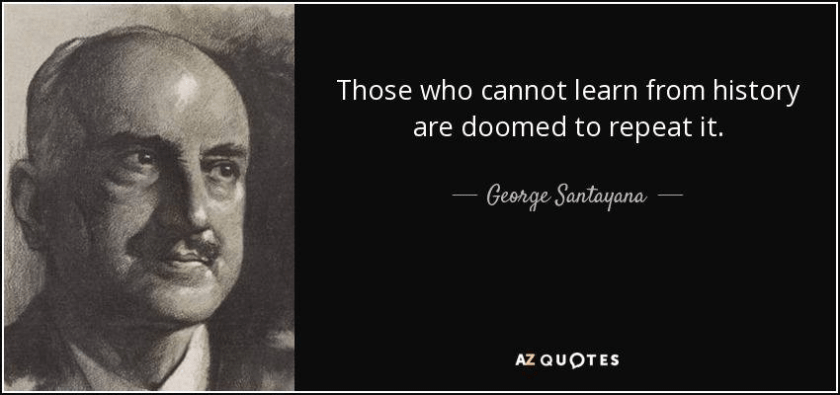
The reason I could make those statements in my blog with such absolute certainty, and have them proven right in the end was not because of any prescience on my part. It’s because I followed the advice of Santayana:

Look, I understand that some of the specifics of the policies and legislation that you are bringing in are different from what Dr. Hoskins tried to do. But at the end of the day, it amounts to you as a government saying that you know how to run healthcare. You don’t need advice or co-operation from doctors. You’re going to impose the changes you want.

I’d encourage you to go back and read the letter I wrote to Dr. Hoskins. I pointed out to him that he was repeating the mistakes (unilateral actions) of the Bob Rae NDP government in the 1990s. They destroyed health care by those actions and were wiped out in the 1995 election, never to see power again.

Take a look at the Jason Kenney PC government of 2019. The went to war with Alberta Medical Association in 2020. The only way they were able to salvage a victory in the next election after that, was to dump their leader, Jason Kenney. (It’s true unhappiness with how he handled the Covid pandemic played a role – but again, the point is there was no saving grace for him – if he had kept health care functioning…..)

Want more? Look at the actions of the Gordon Campbell British Columbia government. Between 2001-2002 they unilaterally tore up an arbitration agreement between the BC government and their doctors. Years of discord including a Charter Challenge (that the BC Government eventually lost), political strife, a strike vote by physicians and a vastly reduced majority followed. Eventually, given a failing health system caused by their own arrogance, the BC government had to come to an agreement with their doctors in 2002, and again in 2006 that restored binding arbitration and was viewed as extremely generous at the time.

As I pointed out to Dr. Hoskins the message is simple. Any government that takes on unilateral action will run the risk of losing doctors from that province. When that happens, the healthcare system suffers. When that happens patients suffer, wait times go up, care deteriorates. When that happens, people don’t blame the doctors, they blame the politicians.

In short, a government that imposes unilateral actions on physicians not only hurts the patients of their province, they always pays a political price. They always have to pay more in the long run than if they just worked fairly with their physicians in the first place.

Look, I don’t particularly care about you or your government. I could not care less whether you win or lose your next election. But I happen to care a lot about my physician colleagues and I know that they are very very angry (and rightfully so). I also care about the residents of Quebec, and I know that they are going to suffer a lot because of your actions. As of now, 28% of your population does not have a family doctor. Can you imagine what will happen if 263 leave? And do you really think any doctor with half a brain will actually come to Quebec when your government behaves like this?

Trust me on this one, if you don’t immediately reverse course, and start to work with your doctors – the harm done to your health system and the people you are supposed to serve will be enormous.

And if you don’t believe me – go read that quote from Santayana again.

Yours truly,

An Old Country Doctor

Lettre ouverte au premier ministre François Legault

L’honorable François Legault, député
Premier ministre du Québec
Édifice Honoré-Mercier, 3e étage
835, boul. René-Lévesque Est
Québec (Québec) G1A 1B4

Monsieur le Premier Ministre,

Vous ne me connaissez probablement pas, et vous vous demandez sans doute ce qui m’a poussé à vous écrire une lettre ouverte. J’ai pris cette décision après avoir fait une entrevue à la radio avec Greg Brady, dans son émission Toronto Today. Durant l’entrevue, Greg m’a demandé de commenter la chicane entre vous et les médecins de votre province. Il a mentionné que, dans les dernières semaines, 263 médecins québécois ont fait une demande de permis pour pratiquer en Ontario.

Je ne prétends certainement pas être un expert du fonctionnement du système de santé au Québec. Je ne me permettrais pas non plus de dire que je comprends toutes les subtilités du projet de loi 2, la législation que vous avez déposée et qui met vos médecins en colère. Et non, je vais le dire d’emblée : je ne sais pas comment se déroulent vos négociations avec les organismes représentant les médecins du Québec (la FMSQ et la FMOQ).

Mais je peux vous dire que mon tout premier billet de blogue (dans le Huffington Post) était une lettre ouverte adressée à l’ancien ministre de la Santé de l’Ontario, le Dr Eric Hoskins. J’avais écrit ce billet parce que son gouvernement parlait d’imposer des mesures unilatérales contre les médecins (ça vous rappelle quelque chose?). Dans ce texte, j’avertissais le Dr Hoskins que des actions unilatérales allaient engendrer le chaos dans notre système de santé :

On ne peut pas retourner à un système où trois millions de personnes et plus n’ont pas de médecin de famille, ou encore à des délais pour consulter un spécialiste (déjà trop longs chez nous) qui deviennent carrément intenables.

J’avais aussi prévenu qu’il y aurait un prix politique à payer en allant de l’avant de façon unilatérale, et que cela nuirait aux libéraux lors de l’élection de 2018. Vous savez peut-être qu’ils ont été complètement anéantis à cette élection-là. Même si une bonne partie de leur défaite s’explique par l’impopularité de la première ministre Kathleen Wynne, je maintiens encore aujourd’hui que les libéraux auraient au moins pu conserver leur statut de parti officiel s’ils n’avaient pas magané le système de santé à ce point.

La raison pour laquelle j’ai pu écrire ces avertissements avec autant d’assurance — et avoir raison au final — ce n’était pas de la clairvoyance de ma part. C’est simplement que j’ai suivi le conseil de Santayana :

A picture of George Santayana, Spanish American philosopher with his famous quote "Those who don't learn from history are doomed to repeat it"

Ceux qui ne peuvent apprendre de l’histoire sont condamnés à la répéter.

Regardez : je comprends que les détails précis des politiques et du projet de loi que vous déposez ne sont pas identiques à ce que le Dr Hoskins tentait de faire. Mais au bout du compte, le message est le même : votre gouvernement affirme qu’il sait mieux que tout le monde comment gérer le système de santé. Vous n’avez pas besoin de l’avis ni de la collaboration des médecins. Vous allez imposer les changements que vous voulez.

Je vous encourage à retourner lire la lettre que j’avais envoyée au Dr Hoskins. Je lui avais souligné qu’il répétait les erreurs (les gestes unilatéraux) du gouvernement néo-démocrate de Bob Rae dans les années 1990. Ils ont détruit le système de santé avec ces actions-là et ont été balayés lors de l’élection de 1995, sans jamais reprendre le pouvoir depuis.

Jetez un œil au gouvernement progressiste-conservateur de Jason Kenney en Alberta, en 2019. Ils se sont mis en guerre avec l’Alberta Medical Association en 2020. La seule façon pour eux d’éviter une défaite à l’élection suivante a été de sacrifier leur chef, Jason Kenney. (Oui, c’est vrai que le mécontentement lié à sa gestion de la pandémie a joué — mais l’essentiel, c’est qu’il n’y avait rien pour le sauver. S’il avait gardé un système de santé fonctionnel…)

Vous en voulez d’autres? Regardez le gouvernement de Gordon Campbell, en Colombie-Britannique. En 2001-2002, ils ont unilatéralement déchiré une entente d’arbitrage conclue entre le gouvernement et les médecins. Cela a été suivi par des années de conflit, un recours fondé sur la Charte (que le gouvernement a perdu), du tumulte politique, un vote de grève des médecins et une majorité gouvernementale passablement réduite. Finalement, devant un système de santé en déroute — un échec dû à leur propre arrogance — le gouvernement a dû conclure une entente avec les médecins en 2002, puis en 2006, rétablissant l’arbitrage exécutoire dans des conditions jugées très généreuses à l’époque.

Comme je l’avais dit au Dr Hoskins, le message est simple :


Tout gouvernement qui agit unilatéralement court le risque de perdre des médecins.

Et quand ça arrive, le système de santé en souffre. Les patients en souffrent. Les délais augmentent. Les soins se détériorent. Et dans ces situations-là, les gens ne blâment pas les médecins. Ils blâment les politiciens.

En bref, un gouvernement qui impose des mesures unilatérales aux médecins fait du tort aux patients de sa province et paie toujours un prix politique. Au final, il finit toujours par payer plus cher que s’il avait tout simplement négocié de façon juste avec ses médecins dès le départ.

Écoutez : je n’ai pas d’intérêt particulier pour vous ou votre gouvernement. Ça m’est complètement égal que vous gagniez ou non la prochaine élection. Mais mes collègues médecins, je m’en soucie. Et je sais qu’ils sont très, très fâchés (et avec raison). Je me soucie aussi des citoyens du Québec, et je sais qu’ils vont énormément souffrir de vos décisions. En ce moment, 28 % de la population n’a pas de médecin de famille. Imaginez ce qui va arriver si 263 quittent. Et pensez-vous vraiment qu’un médecin sensé voudra venir pratiquer au Québec quand votre gouvernement agit de cette façon?

Croyez-moi : si vous ne changez pas de cap immédiatement et si vous ne recommencez pas à travailler avec vos médecins, les dommages causés à votre système de santé — et aux gens que vous êtes censé servir — seront immenses.

Et si vous ne me croyez pas, relisez la citation de Santayana.

Cordialement,

Un vieux médecin de campagne

Never Ending Arbitration Seems to Be Our Fate

On September 18, 2026, Arbitrator William Kaplan handed down an award for Ontario physicians in their ongoing and seemingly never ending negotiations process. I imagine rather a lot will be written about this. There are already lots of comments on social media, and many rushes to analysis, sacrificing accuracy for expediency. This is sadly true for any hot button news topic these days. I’m going to take my time to review the ruling in detail and probably have some more thoughts on it later. I would prefer to be accurate, not quick.

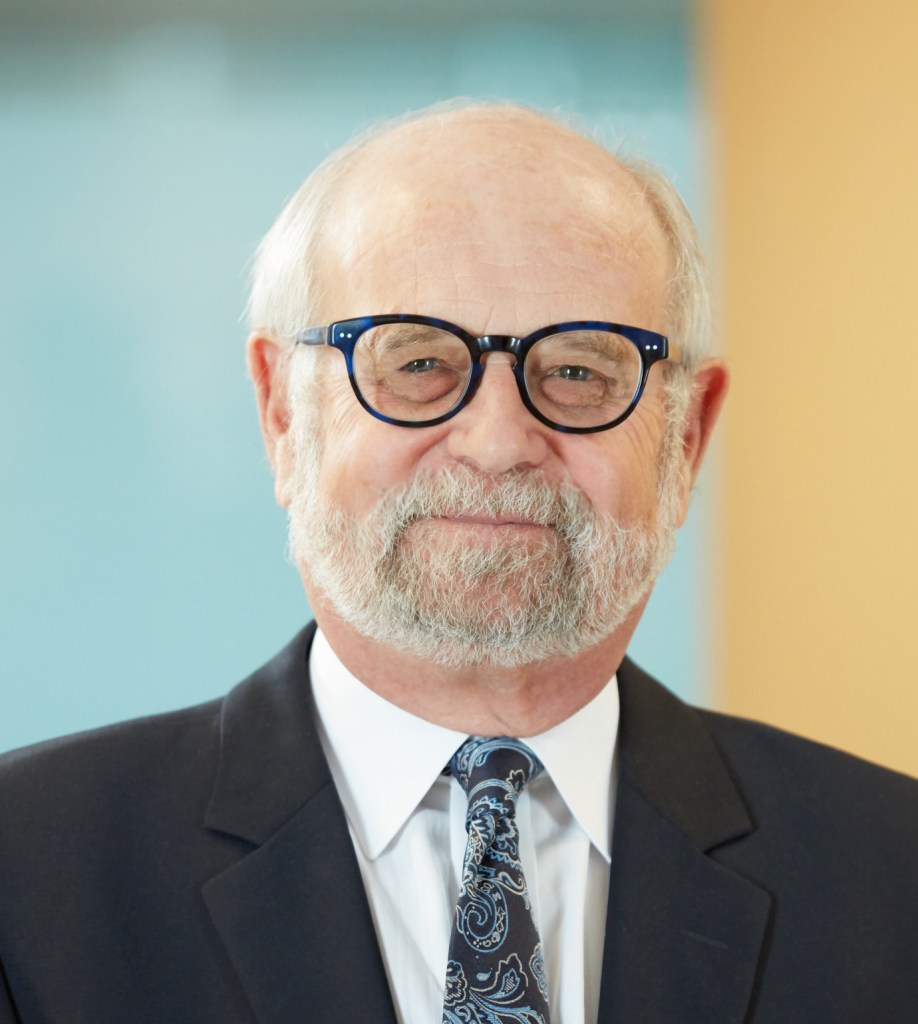
Photo of Arbitrator William Kaplan, owner of Kaplan Arbitration
Arbitrator William Kaplan

One thing I will say is that physicians are going to be locked into a perpetual negotiations/arbitration process for the next few years. In a previous blog I had commented that all outstanding arbitration issues would be resolved with this ruling. I based that on comments made by the OMA, and by the arbitrator himself. Being a victim of Murphy’s Law on many occasions, I did go on to say that:

“Of course now that I write this there probably will be yet another process announced after this which will mean more negotiation and arbitration”

Unfortunately, it appears that last part is indeed the case. All this ruling really does is set a (too low) dollar value ruling for how much of an increase (general and targeted) physicians are entitled to for the fiscal years April 1, 2025-March 31, 2028. It doesn’t deal with rather a whole lot of implementation issues.

For example, what exactly is going to be the dollar value of each fee code as of April 1, 2026?. The Ontario Medical Association (OMA) has long stated that current fee codes/billing are temporary and the new permanent values for codes will be implemented this coming April 1. The award defers that to the ongoing Physician Payment Committee (PPC) process that is supposed to have fee codes ready by then.

Additionally, the Award mentions the targeted funds for things like Hospital On Call (HOCC)/Unbundling Surgical Codes/Alternate Payment Plans and more – > but not the specifics of how those funds are going to be distributed or billed. Even the OMA’s own “agreed issues document” doesn’t really offer an agreement. For HOCC for example, it states:

“The parties shall conclude negotiations on the revised burden-based HOCC system bilaterally….If agreement cannot be reached by January 1, 2026, either party may refer the matter to mediation/arbitration ….”

Ok – what about things like the constant delay in physicians getting paid for work they do, supposedly due to the inefficient and ancient OHIP computers. The Award doesn’t set out a specifically penalty. It simply directs the OMA/MOH to make it a priority to fix this issue and if they can’t :

“This Board will remain seized in the event that the parties cannot reach agreement, with either, party having the right to return to this Board after January 1, 2026”

Yup, more negotiations and arbitration if the OMA asks for penalties for delayed payments. I hope there’s a good legal reason the OMA didn’t ask for specific penalties in their Arbitration briefs, otherwise it was dumb of them not to. The MOH asked for penalties in the new FHO+ model for family doctors, and that was awarded.

There’s also the fact that this award has funds that should have been already paid to us on April 1 of this year. The award does provide some guidance in terms of saying the increases should be paid retroactively on a lump sum basis, but once again – if the parties can’t agree to the relativity splits for that money – it goes back to……..more Arbitration.

Essentially the award says physicians as a whole are to get 7.3 percent in general increases and 2.2% in targeted increases. The MOH and OMA are to figure out how to split that (mostly through the PPC) – and then go back to the Arbitrator if they can’t agree.

Now the PPC itself is, you guessed it, a bilateral committee of the OMA and the Ontario Government. In fairness to them, they have been working quite hard all this time from what I can tell. They may be further along than we think. But I’m guessing that the government members will have a different overall agenda than the OMA. All it takes is for the government to put their foot down on one issue and the whole thing goes back to Arbitration.

The lawyers are gonna get really really rich……

I will once again state that this Arbitration process is still preferable to having unilateral actions imposed upon physicians by governments. Those of us who lived through the Eric Hoskins/Bob Bell years realize just how much worse things would be with the government acting unilaterally.

BUT – never also forget that this protracted process is also because the current government doesn’t really have the capacity to understand the complexity of the health care system (and the complexity of how physicians get paid). Rather than have a bold vision for transforming health care, and making it clear how they will invest funds to promote that vision, they have opted to simply drag out the contractual process. If the MOH had come to the table in a constructive spirit, all the implementation could be rapidly done. The MOH’s absolute insistence on doing everything in the most drawn out way, regardless of the worsening health care crisis, is where they are really failing the people of Ontario.

Politically, of course, it makes some sense. Instead of negotiating a fair contract right from the start and then getting up and defending that from the usual critics, the government instead has chosen to simply let the Arbitrator make all their decisions . Then the government case say “we did what the Arbitrator told us” and shrug their shoulders if things go bad.

I’m acutely aware that to a certain extent the process benefits the OMA as an organization as well. Look at the new FHO+ model for paying family physicians. Because a couple of elements of the program couldn’t be negotiated – that issue went to Arbitration. Because it’s gone there, family doctors don’t get a chance to actually vote on the model like they would if there was a negotiated tentative agreement. So the OMA can kind of impose a model of payment they feel is acceptable on family physicians, rather than promote it in a free and fair vote.

The unfortunate thing is that I actually do think the FHO+ is a small step forward (not as big as the OMA is making it out to be) and likely would have passed if given to members to vote on. I would have voted for it myself despite my criticism of some aspects of it.

So what does this all mean for physicians? It means that for the next three years (at least) we should all get used to living in an era of constant ongoing negotiations and constant Arbitration, with continual delays in payments because of an intransigent government.

Sigh…

How the Arbitration Process Works and How it Applies to Family Medicine

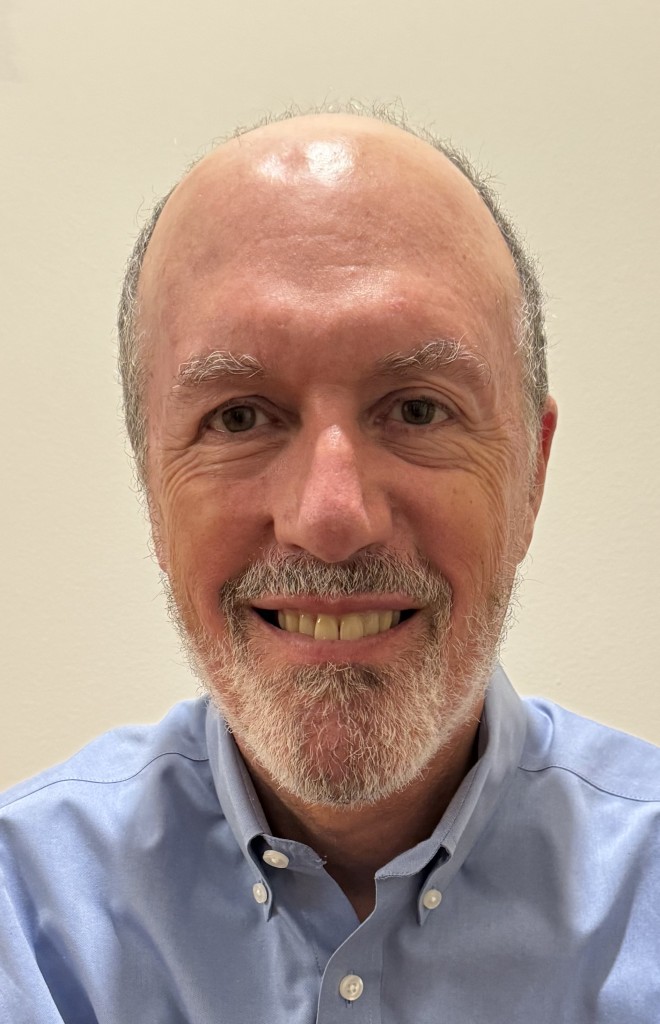
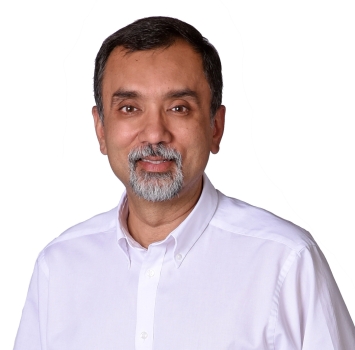
picture of the guest blogger today, Dr. Mark Dermer, a retired family physician.

Dr. Mark Dermer (pictured inset) , a recently retired family physician guest blogs for me today. He posted his thoughts about the arbitration process and how it can potentially affect family medicine on a private facebook group. I thought his post was excellent and I’m honoured that he has agreed to allow me to republish his thoughts here, so more people can see it.

A common misconception about how the arbitration decision will be determined is that the arbitrator will choose either the entire OMA submission or the entire MOH submission as the PSA award for 2025-28. While some arbitrations work like that – salary arbitration does – that’s not the case in the OMA-MOH 2017 Binding Arbitration Framework (BAF). As stated in paragraph 18 of that document (in this group’s files section):

“Absent an agreement of the parties, the method of binding interest arbitration to be used shall not be final offer selection. In particular, unless the parties agree otherwise, the arbitration board may, on any issue or issues, select either party’s proposal, choose a middle ground, or issue any award that it determines is appropriate in the circumstances.”

In other words, the arbitration board will issue a decision that is built point-by-point, with quantitative decisions set anywhere on the continuum between the two parties submitted positions. And the choice for each point/issue will be made in the context of the entire Physician Services Agreement (PSA).

For family physicians, there are four points of dispute that await the final PSA arbitration decision:

1) Annual increases to the Physician Services Budget (PSB) in years 2, 3 and 4 (2025-26, 2026-27 and 2027-28) of the present 2024-28 PSA. Note that these overall increases will then be subject to relativity adjustments that are managed within the OMA.

OMA submission: 3.75% in each of the three years for a total of 11.25%

MOH submission: 2.25% year 2, 2% in years 3 and 4 for a total of 6.25%


The arbitration board will award a percentage amount for each of the three years that lies on the range between the two parties submitted figures guided by the information supporting their numbers (the OMA’s justifications for its figures in its submission look to my eyes to be considerably stronger).

2) Continuity of Care Accountability Measure with Financial Consequences – the methodology of the measure has been agreed by the parties. But the question of whether there will be financial consequences and if so, the trigger threshold and financial magnitude, have not.

OMA submission: no financial consequence but if so, trigger threshold should occur only if continuity falls below 70% and penalty should be a 10% reduction in base rate

MOH submission: Trigger threshold is falling below 80% continuity and penalty should be 20% reduction in base rate


The arbitration board must first decide whether there should be a financial consequence and if so, when it should be implemented. For example, it could say that physicians need several quarterly reports to allow them to adapt their practices before the financial penalties start. With respect to the threshold, the arbitration board will likely choose a figure in the 70-80% range, though it is free to choose outside that range and here to, it could make a setting that changes over the three remaining years of the agreement. Same goes with the size of the base rate penalty, which we can assume will be in the 10-20% range if a penalty forms part of the new PSA.

** Note – Continuity of Care and any penalty is assessed at the level of each individual physician’s practice, NOT at the level of the FHO.

3) Increase to FHG premium

OMA submission: Increase from the current 10% to 20%

MOH submission: No change


The arbitration board may choose to keep the FHG premium the same, or increase it by any amount it wishes. Including raising it by more than 20%.

4) $5 per patient visit overhead fee for community practices (up to 40 visits per day; excludes hospital, contract and FHO/FHO+ services)

OMA submission: Newly proposed by OMA

MOH: No response


The arbitration board will have to decide whether to introduce this fee at all and then at what dollar rate to set the fee. Note that this fee applies to community specialist practices as well as to non-FHO family medicine practices.

The bottom line:

There is a wide range of possible financial outcomes of the arbitration board award. That’s why trying to forecast how it will affect you, or plan adaptations, will likely not be a very good use of your time at the moment.

I also think that the past week has demonstrated, yet again, the OMA’s poor member communication skills: it was irresponsible of them to publish scenarios and calculators that neither acknowledge nor take into account the possible continuity of care financial penalties. My recommendation is to generally ignore their messages until the arbitration board issues its decision.

The FHO+ Model Alone Won’t Save Family Medicine in Ontario

Disclaimer: I’ve looked through the OMA page on the FHO+ model and interpreted the data as best I can, BUT, this information should NOT be used by others for their own financial planning – they should review the data for themselves. Additionally, because this is a complex model – if the OMA’s Negotiations Task Force feels there are mistakes – I would be happy to correct those.

Last week, the OMA announced that they and the Ontario government had developed an enhanced model for paying family physicians. In Ontario, the most popular model for paying family physicians is something called the Family Health Organization (FHO). More physicians would choose it, but in typical unthinking and regressive fashion, the bureaucrats at the MOH convinced the government to limit entry into that model in the 2010s – because you know, why would you want people going into family medicine to have their preferred payment model? What were they going to do? Stop working as family doctors? Sigh…..

The OMA website states the new FHO+ is the “Future of Family Medicine” and talks glowingly about how this will “bring back the joy of family medicine, and build a foundation to support recruitment and retention”.

It’s always tough to break things down with a new model, and there are a lot of variables and enhancements to review. I encourage all family physicians to watch my friend Dr. Adam Stewart’s set of truly excellent videos on this new model.

For my part, I consider myself to have a medium sized practice. I therefore looked at Dr. “B” on the OMA’s web page to come up with my thoughts. (Note to OMA – come up with some better names for the doctors!)

  1. How much of an increase in income am I going to get?

According to the OMA site, I should expect an increase of 13% of my gross income. But it’s not clarified what the baseline for that increase is? Is it this year’s income? Last year’s? So I emailed the OMA and was given this answer:

“The base rate the parties agreed to use in our costing was FY2023/24, keeping in mind the last permanent increases were on April 1, 2023, the recent years 2.8%, 9.95% and the monthly relativity for FY2024/25 are all temporary and will end on April 1, 2026.”

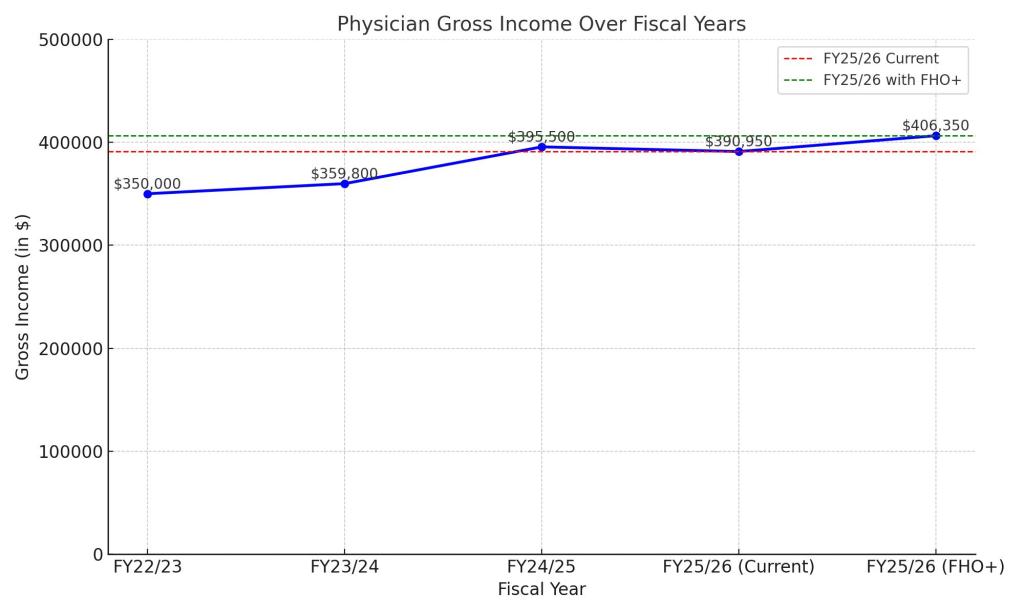
Alright, some more math (my apologies). Let’s use fiscal year 22/23 to start. Let’s assume I grossed $X in that year. For FY 23/24 – that was the last year of the previous PSA and we got a 2.8% increase in fees. So I grossed $1.028X that year. FY24/25 was year I of the current PSA and we were awarded 9.95% by the Arbitrator (compounded to the 2.8%). Because there was no agreement on how to divide it up, it was distributed equally among all docs. So I grossed $1.13X.

Still with me? This year, FY 25/26, by mutual agreement, there was a relativity based increase from the original FY 22/23. FHO docs like me got 11.7% so this year, for now, I will be grossing $1.117X. This is down from last year but may change based on whatever happens in Arbitration.

Based on the OMAs reply, if FY 23/24 is the base year they used in their calculations (when I made $1.028X) then and increase of 13% on that will translate to $1.161X. In essence, if FHO+ goes through, it will mean a 4.4% increase for me next year, compared to this year (1.161-1.117) and a mere 3% more than last fiscal year. Better than nothing? Sure. Is it the major dollar influx needed to save family medicine? I think you know the answer to that.

Graph showing a hypothetical growth in gross income for a category “B” family physician who billed $350,000 in FY 22/23

2. How will rural medicine fare?

One of the things that strikes me about this model is that effectively, rural medicine will not do as well. Now, in fairness, there are attachment bonuses for taking on new patients, and those bonuses are higher in rural areas. So there is that. But my understanding is that rural doctors are working overtime anyway and not really able to take more patients right now.

But what should be noted is that in the OMA calculations, the assumption has been made that doctors are getting at least some access bonus currently. So let’s look at Dr. Rustic and Dr. Metro, a rural and urban doc.

Let’s assume they also fall into category “B” as per the OMAs example. It is well known that urban doctors, despite how hard they work, have challenges getting the access bonus. Dr. Metro currently gets an access bonus of $0 because there are five walk in clinics with 15 minutes of her office. This is despite her group working after hours care. Dr. Rustic on the other hand, gets $25K in access bonus, mostly because his group is the only game in town.

With FHO+ the access bonus gone and repurposed to pay for other items (and that is a very good thing as my friend Dr. Mark Linder pointed out) in effect, Dr. Metro’s raise will be $25k MORE than Dr. Rustic’s. I don’t begrudge Dr. Metro the income, she deserves it. But in order to recruit in rural areas, we’re going to have to find a way to bump Dr. Rustic’s income more.

3. What exactly will the Accountability Metric be?

This is of course, the great unknown. These metrics are often presented as “reasonable” and then governments always find a way to make them unreasonable. We won’t know the answer to that until after Arbitration.

Final Thoughts

At the end of the day, I think family doctors as a whole need to realize that FFS family medicine has gone the way of the Dodo bird (I know this will upset some FFS purists). The government also seems to recognize this and as part of the agreement is increasing the number of FHO+ positions.

Dr. FFS, Family Physician

Despite some of the concerns above, I do think that FHOs should migrate to the new model. It is slightly more money, and I do wonder if by tweaking your practice more – the amount can go up. For example, I have about 200 patients whom I have not rostered because of outside use issues – I would now roster them – and this would increase my income even more. So I suspect there is potential to make more than a 4.4% increase if you manage your roster well. Looking at increased shadow billing rates also offers some potential for more growth.

However, saving family medicine requires a multi-pronged approach that requires a single, unified health information system, family practice teams with physicians clearly placed as the leaders of the teams (with funding for leadership roles) and much more than a 4.4% increase in income. So take the money for now, but don’t in anyway shape or form believe that this in and of itself will fix family medicine.

MOH Pleasantly Surprises (!) and OMA Disappoints in Arbitration Briefs

As I write this, yet another round of Arbitration has begun between the Ministry of Health (MOH) and the Ontario Medical Association (OMA). This time, the goal is to provide a contract for years 2-4 for the Physicians Services Agreement (PSA). As was pointed out to me on social media (thanks Jane and Lisa), year 2 of this current PSA cycle began on April 1, 2025. Yet again, physicians are going to be due retroactive pay for whatever the Arbitrator decides.

Lawyers from both sides have prepared rather thick legal documents called “briefs”. (Proof number 4,638 that lawyers have a rather weird sense of humour). These briefs are public.

I’d be lying if I said that I had thoroughly understood the briefs from both sides. The excruciating agony in trying to parse the language in these things would make having a kidney stone preferable. But these are my humble thoughts from trying to do so….

  1. The MOH team appears to have learned their lesson from last time.

To be abundantly clear right off the bat, the MOH offer for physicians is too low. They are clearly undervaluing doctors in their stance and if the Arbitrator was to accept their position, it would spell further disaster for health care in Ontario.

But….

As I mentioned in my last blog, offering low is what you expect from the other side. It’s part of posturing for the Arbitrator and I’m genuinely not ruffled by it. What would have been unacceptable is they had refused to recognize the severity of the health care crisis like they did last time. Or if they had once again repeated the truly stupid statement that they weren’t concerned about the shortage of comprehensive care family doctors.

Additionally, the MOH has actually agreed to enhance family medicine models through the “FHO+” program, and has agreed to spend a large chunk of the funds on family physicians, an area of the health care system that is dire need. In essence, they admit that there is a problem with a shortage of comprehensive care family doctors. (NB – I will have my thoughts on the FHO+ model sometime early next week).

To re-iterate, there are still a number of problematic issues with their arbitration proposals, including the too low wage increase, the hopelessly complex method of “accountability” in the FHO+ model, a laughable statement that attachment bonuses for Complex patients will begin on July 1, 2025 when the Arbitrator won’t even rule on this until September or October of this year.

But their position is at least not stupid, and certainly not enough to make me go off like last time.

2. The OMA Disappoints With Their Brief

Once again, to be fair, there is a lot to like in the OMA Brief. There is a good analysis of the economic picture in Ontario, a great analysis of the the delays in care, the crisis in family medicine, hard hitting information about the challenges of recruiting and retaining physicians, superb advocating to relieve the admin burden and a clear explanation of why many Alternate Payment Plans are outdated.

Alas, there is once again a “but” here…..

All of the above is what one should expect from a representative organization. One should however, also expect that organization to advocate strongly to make sure their members get their increases in a reasonable time. And it’s here that the OMA falls (badly) flat.

One of (if not THE biggest) issues for physicians these past couple of years has been the constant delays in getting the increases the Arbitrator awarded them in a timely manner. Just recently the MOH unilaterally announced a delay in paying the retroactive funds owed physicians. This is amongst a series of delays all attributed to an ancient and decrepit computer system at the government. (They’ve been making this statement for well over a decade, and very tellingly, have NEVER bothered to upgrade their system).

While the last 4 pages of the OMA Arbitration Brief does a nice job of outlining the issue for the Arbitrator, including the consequences of the MOH incompetence (physicians will simply stop doing certain procedures), the remedy the OMA seeks is milquetoast at best. From the Arbitration brief (edited):

“As a result, the OMA requests, as is normal and customary, that this Board of Arbitration remain seized with respect to any issues arising from the implementation of this Award……….

“….with the OMA reserving its right to seek appropriate remedies (e.g. interest) in the event that the Ministry fails to meet agreed upon or directed implementation dates, particularly where the Ministry is unable to provide justification for any delay, or otherwise where the delay is unreasonable and unwarranted.”

That’s it?? All this means is that WHEN (not if – we all know the MOH can’t get their act together) the next payment delays show up, all that will happen is the OMA will complain to the Arbitrator, then there will be more hearings, and those hearings will go on for months/years and then finally, the Arbitrator MAY announce penalties to the MOH. The only good that will come out of this is that a bunch of lawyers will get rich going to repeated hearings.

What’s worse is the OMA readily admits they know the Arbitrator “favours accountability measures” in their video on the new FHO+ model (around the 3:36 mark). So doctors have to be accountable to follow an agreement, but the MOH can wiggle out and delay? The OMA can’t advocate for accountability to go both ways?

EVEN worse is that in reading the MOH briefs, they actually clearly lay out what accountability measures they want from physicians. Page 92 specifically outlines what accountability they expect from family physicians in the new FHO+ model, and how the penalties will be implemented if physicians don’t meet those accountabilities. No “seizing of the Arbitration Board” or any such thing. Now I disagree wholeheartedly with the MOH stance on this – but at least they clearly outlined what remedies they are seeking without the need for further drawn out processes. The OMA couldn’t have done the same thing??

Overall, this Arbitration hearing appears less contentious than last time, and the gap in asks is smaller overall. Hopefully this means a quicker resolution. But while there is a lot of good stuff in the OMA brief, it’s hard not feel let down by the subservient, almost nonchalant attitude the OMA is taking on payment delays. Sure looks like a golden opportunity to address this was missed.

What to Look For in Next Weeks Arbitration Hearings

As I write this, it appears that once again, the Ontario Ministry of Health (MOH) and the Ontario Medical Association (OMA) have been unable to agree on a contract for physicians. We are again heading for Arbitration on June 30, with hearings all next week. A slim chance exists that a last minute deal will be struck – but I highly doubt it.

The MoH and OMA Negotiating

Up until now of course, the negotiations have been held under a strict cone of silence. There is no public knowledge of what has really been said between the two sides. But Arbitration in Ontario is public. The MoH and the OMA will have to publicly disclose what they are asking the Arbitrator to award.

Some Things to Remember:

These arbitration hearings are a continuation of last years hearings. Last year the Arbitrator only set an award for the total dollar amount to be given to physicians for the FIRST YEAR of a four year contract. This year’s hearings were originally slated for March of this year, but the Arbitrator delayed them until June. He wrote:

“The issues discussed have been far-ranging and include various implementation matters, the allocation of the Year 1 targeted funding, and complex and significant physician compensation issues for Years 2, 3 and 4.”

and:

“…the Board of Arbitration is now directing that the arbitration proceedings over any remaining Year 1 targeted allocation issues, and over physician compensation and all other issues for Years 2, 3 and 4, now take place over four days during the week of June 30. ”

These hearings will be a lot more complex than last years, and will have a lot of moving parts. Not only will the Arbitrator decide on how much of an increase will be allotted to physicians in years 2-4, but he will decide on how the targeted funds are distributed. Remember that 30% of the year one Award (approx $480 Million) was to be “targeted” for areas of health system need. Because of the malignant obstinacy of the MOH’s negotiations Team, the OMA and MOH have not arrived at an agreement on how to distribute these funds. So now the Arbitrator will rule on that.

Not only that, but there is the issue of how much of an increase each specialty should get. There was general agreement between the MOH and OMA the last couple of times that 25% of any increase would be given to across the board raises for all members, and the remaining 75% would go to relativity based increases. But the two sides have never really agreed on how the 75% would be split between various specialties. Reading the statement from the Arbitrator makes it sound like he will decide that too this time. (Of course now that I write this there probably will be yet another process announced after this which will mean more negotiation and arbitration).

Last year by my very rough count, the OMA and MOH submitted over 1,400 pages of documents (ironically called “briefs”) just to determine what percentage increase should be given to physicians. I can’t imagine how big the “briefs” will be this time. I won’t be able to go through them without gouging my eyes out but I do know what we should be looking for.

Has the Ministry of Health’s Team Smartened Up?

Look, both sides are going to “posture” for the Arbitrator. As part of that, the MOH will significantly undervalue physicians and offer a pittance. We should expect that and NOT get all worked up about it.

Unless…..

Last time, the MOH team went far beyond posturing. They showed nothing but contempt for physicians and an utter and complete lack of understanding of how health care works in Ontario. The MOH teams statement that there was “no concern” about a shortage of comprehensive care family physicians while the media was full of pictures of people lined up for hours for the mere hope of getting a family doctor, set a new bar for stupid government statements. The fact that they lied to the Arbitrator saying there was no crisis in family medicine until being forced to release documents proving otherwise made me wonder if a Court Jester was their spokesperson.

A Court Jester who, given the accuracy they present, could probably be a great MOH Spokesperson

It will also be telling when reviewing the MOH briefs exactly where they feel health care is most lacking in Ontario. Do they propose more investments in family medicine? How much for each specialty? In the last couple of negotiations the MOH has tried to alter the Family Health Organization (FHO) contracts on how family doctors are paid. What changes do they propose this time?

Finally – it will be VERY telling how the MOH wants to spend the $480 million in targeted funds. Will they try to skirt paying physicians for it? For example, will they propose to pay certain physicians to hire an allied health care practitioner, saying “well it will reduce your workload”, all the while demanding copies of proof you are paying that person in triplicate? Or some such thing.

I appreciate the above may sound far fetched, but the MOH Team has proved itself to be so incompetent and borderline vengeful that a scenario like that wouldn’t surprise me in the least.

What About the OMA Briefs?

In comparison, the OMA’s job is relatively easy. They simply have to advocate for increases that will make each of their many sections 100% satisfied and not complain……

In all seriousness, OMA briefs will also tell the profession a lot. I imagine each of the sections of the OMA will pour through the documents and send information to their members. But in short order we should all see how much of an increase the OMA has concluded each specialty warrants, and how the OMA plans to handle the perpetually thorny issue of relativity.

Additionally, the OMA has repeatedly point out that we have a shortage of comprehensive care family doctors. They’ve used the word crisis more than once to describe this. So as a family doctor, I am eager to see what changes they propose to the FHO model as well.

Most importantly, will the OMA be aggressive in defending its members? These last couple of months had seen absolutely unacceptable unilateral decisions by OHIP, delaying payments to physicians and making mistakes on their remittance . The OHIP bureaucrats blame their old outdated computers. Of course, when they plan to recoup the 9.95% they overpaid for the preventive care bonuses this past month – the OHIP computers magically managed to figure out how to get the money back immediately.

Will the OMA finally demand in their Arbitration briefs some sort of penalty for OHIP screwing up? Remember, the fee changes as a result of this contract are to come into effect on April 1, 2026. Given the Arbitrator likely won’t hand down a ruling until the fall, there is no way OHIP will get their act together in time without……..encouragement. Penalties/Interest for delayed payments should absolutely be demanded by the OMA.

All in all, next week, physicians will learn just how both the OMA and MOH feel about them. Buckle up folks……

Study of Family Doctors Choosing “Other” Work Leaves Me with Mixed Feelings

Last week, a study published in the Annals of Family Medicine revealed what those of us in medicine knew all along. More and more, physicians who are trained in comprehensive family medicine, are choosing to do other things. There are a myriad of reasons for this (ranging from poor remuneration, lack of respect from government, incredible admin burden and more). But the blunt reality, which is very very bad for the people of Ontario, is that despite having enough family doctors, not enough of them are practicing comprehensive care family medicine, and more are expected to stop.

There was of course, a large amount of press interest in the study, and rightfully so. Probably the best interview given by one of the studies authors was by my friend Dr. Kamila Premji (who is brilliant) and can be listened to here.

I was fortunate enough to be asked about this issue last week on “Toronto Today” with host Greg Brady. As I explained to him, I personally am left with decidedly mixed feelings about the report.

The Hope

It’s not like people haven’t been talking about this for a long time. Heck I wrote about how Ontario does NOT have a shortage of family doctors, just over a year ago. I pointed out that family doctors were leaving to do other things then.

But now that there is a comprehensive study done on the matter, maybe, just maybe, the bureaucrats at Ontario Health will finally do something positive about the matter. (I won’t bet the mortgage on it – but there is a teensy little bit of hope).

The Frustration

It’s precisely because people have been talking about this for such a long time that I was also frustrated that this issue hasn’t been dealt with yet. Dr. Premji herself warned about this issue years ago. My friend Dr. Mathew (another doctor much smarter than I) pointed out how the system has been deteriorating since 2012 . Dr. Nadia Alam, a former President of the Ontario Medical Association (also a dear friend much smarter than I) wrote in 2018 about the fact a crisis was coming in Family Medicine. And yes, a certain grumpy, miserable and cantankerous old bugger wrote back in 2017 about the need to support Family Medicine and warned that the shortage of comprehensive care Family Physicians was going to get worse if nothing was done.

All of these doctors were ignored. When Dr. Alam wrote her blog, “only” 800,000 people in Ontario didn’t have a family doctor – we are over 2.5 million now.

Thinking about how much better off we would be if the bureaucrats at Ontario Health hadn’t unilaterally ignored these doctors makes my blood boil.

The Fear

Which brings me to my biggest fear in all this. When I look around at some of the Ontario Health staff, and see some of the reports/decisions and directions given by various committees/panels/departments of Ontario Health, I see frankly, a lot of the same old names and faces. The same bureaucrats that ignored Dr. Alam and others for over a decade, and have made bad decisions and recommendations ever since, are still in charge. Many have been promoted. All of them are going to retire with full pensions. And yet now, they will likely be tasked to find a solution to the very mess that they failed to foresee and in many cases aided and abetted in creating.

If I may paraphrase Albert Einstein a little bit, to expect the same people who consistently and repeatedly made wrong decisions over the past ten years to suddenly not make a mistake with the next set of decisions is surely the definition of insanity.

So What’s Next for Family Medicine in Ontario?

As I think most of us know, Dr. Jane Philpott has been tasked by Ontario Premier Doug Ford to lead the new Primary Care Task Force. Her stated goal is to ensure every resident of Ontario has primary care within the next five years. She has a strong relationship with Dr. Tara Kiran, one of the more visible authors of the study on family doctors. Both seem to be working closely together.

Both of them seem genuinely passionate in their support of family medicine. They also understand the foundational importance of family medicine in a strong health care system. I believe they both have the desire to fix this crisis as soon as possible. We should all want them to succeed, because success means a healthier population for all Ontarians.

But…..

To date, I haven’t seen in either of them the willingness/ability/chutzpah/brass necessary to tell off our woefully incompetent bureaucrats at the Ontario Health and tell them which direction we need to go in. As I mentioned above, we just cannot rely on the advice the bureaucrats are giving anymore – nor the processes they have put into place.

One small example of ongoing bureaucratic incompetence if I may. It’s been know for over fifteen years now that our health care IT systems are completely disorganized and don’t talk to each other. The situation is so bad that healthcare is the ONLY major industry in which fax machines are still used (seriously). It’s so wasteful that it’s been estimated that we could save $2.1 billion dollars a year if we unified our health IT systems. (Which ironically is about how much Dr. Philpott has been given to fix the family medicine crisis).

Recently, Ontario Health announced that it would develop an electronic referral system to get rid of faxes. Sounds great. But unfortunately, a deep dive of their plan suggests that each of Ontarios 180+ health teams is to pick their own software. Which means you could have a situation for someone like myself, who has patients from two different areas, being forced to use two different electronic referrals systems. Which will do absolutely nothing to reduce my admin burden, the same admin burden that the study’s authors admit is driving physicians away from comprehensive family practice.

The family medicine crisis desperately needs to be fixed in Ontario. It will take a combination of a seamless electronic record system, processes in place to reduce paperwork, increased pay for family doctors (including pay for admin work and retention bonuses) and yes teams where the family doctors guiding them. But I don’t think any of that can happen until we clean out the bureaucrats at Ontario Health.

Survey on Delayed OHIP Payments

NB: The following is a guest blog, written by the (anonymous) author of the survey I referenced in, “Will the OMA Learn Lessons from OHIPs Latest Attack on Doctors?“. While it’s true these surveys tend to attract negative responses by their nature, the rather large number of respondents (especially compared to some of the OMAs own Thought Lounge surveys), suggests the OMA really needs to pay attention to the extreme dissatisfaction this issue has caused. My thoughts follow at the end.

The purpose of this survey was to highlight to the OMA the need to take this issue more seriously and to outline the impact the delayed payments had on members. The OMA’s response to this has been tepid. At the time the survey responses were collected, the payment timeline for November and December, 2024 retroactive pay was set as November, 2025. This was changed to August, but this does not alter the fact that the MOH has repeatedly delayed payments for physicians over the years.

Even with a signed, public agreement, the MOH has not managed to uphold its obligations, yet the OMA seems resigned, on behalf of its members, to accept whatever delays happen, based on whatever excuse the MOH provides. The members are not the cause of the MOH’s problems, yet they pay, over and over, for these deficiencies.

The survey results are summarized below. As a practicing physician, my time is at a premium, so I utilized AI to summarize the main findings of the survey.

Technology willing, the full survey results are here. Survey Monkey dashboard is here.

AI-Generated Summary of the Full Survey Document:

The survey responses reveal widespread dissatisfaction among Ontario physicians regarding delayed payments, systemic issues in healthcare administration, and inadequate advocacy by the Ontario Medical Association (OMA). Key themes include the impact of late payments, financial hardship and impact to personal finances.

Many respondents reported being unable to meet financial obligations, pay taxes, or fund discretionary purchases due to delayed payments. Some had to take on debt or cancel planned expenses like maternity leave benefits, vacations, or home down payments.

Clinic Operations:

Clinic owners faced cash flow disruptions, inability to pay staff, and delayed renovations. Others mentioned the administrative burden of tracking payments and rejected claims.

Mental and Emotional Toll:

Physicians expressed feelings of moral injury, frustration, and discouragement, with some considering early retirement or leaving the province entirely. The delay has eroded trust in the Ministry of Health and the OMA.

Lack of Accountability:

Respondents described the Ministry as untrustworthy, disrespectful, and adversarial, with unilateral decisions that breach agreements. Many called for interest payments on delayed funds and legal action to hold the Ministry accountable.

Systemic Issues:

Complaints included outdated payment systems, rejected claims, and lack of transparency in billing processes.

Weak Advocacy:

Many respondents felt the OMA failed to advocate strongly for physicians, with delayed and insufficient responses to the payment issue. Some called for legal action, media campaigns, and stronger negotiation tactics.

Loss of Trust:

Physicians expressed frustration with the OMA’s perceived lack of power and transparency, with some questioning the value of membership dues.

Declining Appeal to Practicing in Ontario:

Many respondents are considering leaving Ontario or medicine altogether due to poor compensation, lack of respect, and systemic challenges. Some noted that other provinces offer better pay structures and support.

Family Medicine Crisis:

Respondents highlighted the lack of investment in family medicine and primary care, with concerns about burnout, scope creep, and inadequate funding.

Rejected Claims:

Physicians reported valid claims being rejected by OHIP , causing financial losses and administrative burdens.

Delayed Payments:

Delays in flow-through funding, parental leave benefits, and relativity-based fee adjustments were frequently mentioned.

Outside Use Penalties:

Respondents criticized penalties for outside use, especially when patients sought care elsewhere due to hospitalizations or urgent needs.

Recommendations for Advocacy:

Demand Accountability:

Push the Ministry to honour agreements, pay interest on delayed funds, and improve payment systems.

Increase Transparency:

Advocate for clearer communication about payment timelines, rejected claims, and billing processes.

Strengthen Negotiation:

Take a more aggressive stance in negotiations, including legal action and public campaigns to highlight the Ministry’s failures.

Support Physicians:

Address broader issues like rejected claims, outside use penalties, and inadequate funding for family medicine and specialists.

Conclusion:

There have been severe financial, emotional, and operational impacts of the delayed OHIP payment. There is an urgent need for the OMA to advocate more forcefully with the Ministry of Health to address late payments and systemic issues affecting Ontario physicians. Physicians are calling for immediate action, including interest payments, stronger advocacy, and accountability from the Ministry of Health and the OMA. The dissatisfaction expressed by respondents highlights the risk of losing physicians to other provinces or professions if these issues are not resolved.

An Old Country Doctors Thoughts:

While the above was written by my colleague, my personal thoughts on the survey is that I’m not really surprised by the results. I try to “keep my ear to the ground” so to speak, and there is a broad level of dissatisfaction with how the MOH repeatedly gets away with violating its own signed contracts, and the frankly abject level of incompetence at the MOH. The incompetence is unfortunately, not limited to just their payment systems/processes, but also how they run health care in general.

I’m also not surprised by the negative comments towards the OMA. Admittedly (as mentioned before) these surveys tend to cater to negative responses. However, there is a real sense of defeat on the ground about how physicians are being treated by the current government (protracted arbitration, stupid statements about the family physician shortage, and more). My sense is most physicians are resigned to defeat and are disengaging from health care – which is bad for the whole health system.

It does not help frankly, that a few short days after being told physicians would not get paid on time, OMA CEO Kim Moran was quoted in an Ontario Government News release on Primary Care saying:

“Ontario’s doctors are encouraged by this announcement and look forward to working with government to ensure that every Ontarian has access to a family doctor. We will do everything we can to accelerate this goal by collaborating with Deputy Premier and Minister of Health Sylvia Jones, and the lead of the Primary Care Action Team, Dr. Jane Philpott. It’s a long road ahead but this is a positive step forward to protecting Ontario’s valued health care system.”
Kimberly Moran
CEO, Ontario Medical Association (OMA)”

A very well respected physician from another province told me after seeing this: “It’s a bit pathetic. Screw us over and we’ll still be nice to you”. Personally I think Ms. Moran should look up “Stockholm Syndrome“.

I’ve repeatedly said you cannot have a high functioning health care system without happy, healthy and engaged physicians. These survey results suggest that that isn’t the case in Ontario.