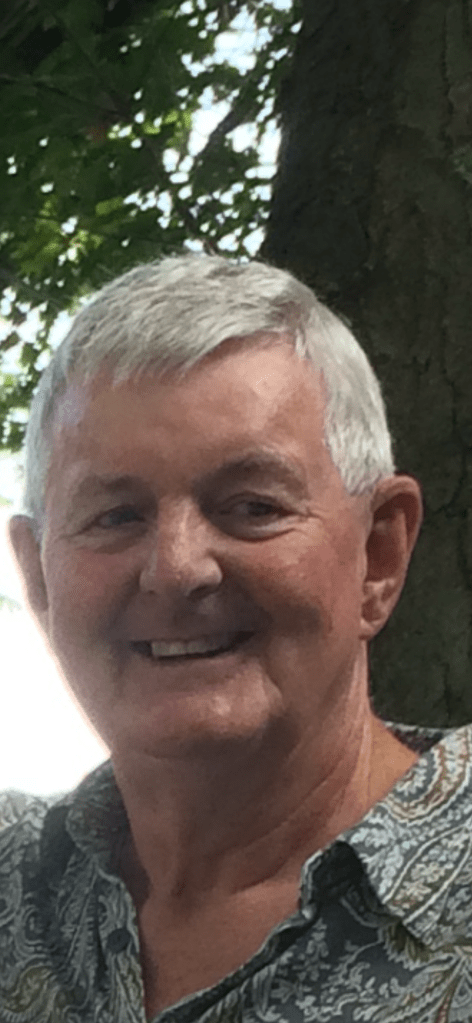
The Appalling Treatment of Dr. Elaine Ma Is Hurting Health Care in Ontario

I’ve written about the horrific treatment that Dr. Elaine Ma has been subjected to by the bureaucrats at Ontario Health before. The situation is so ridiculous that it could be a story presented at the Theatre of the Absurd.

What happened?

Dr. Ma is a family physician from the Kingston area. During the Covid pandemic she realizes the need to immunize as many people as possible to protect the community. She organizes a number of outdoor mass vaccination clinics, which resulted in Kingston being one of the most heavily vaccinated areas of the province. For her efforts, she wins the very well deserved the praise of many, and an award from the Ontario College of Family Physicians.

There are two billing codes for providing Covid vaccinations. One for physicians who work in a vaccination clinic that someone else set up (e.g. public health). Another for those who set up the clinics themselves, and paid for staff/heating for outdoors/tents/internet etc. Since she paid for all of that, Dr. Ma bills the second code.

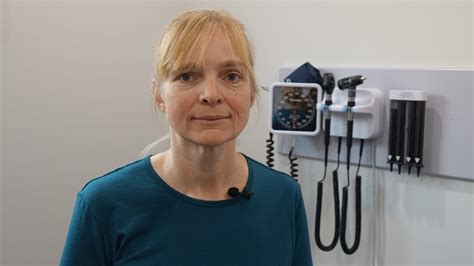
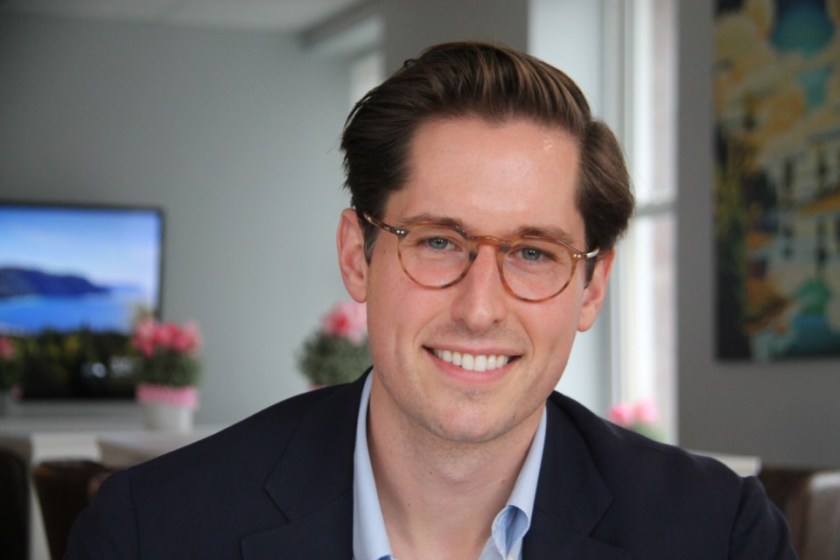
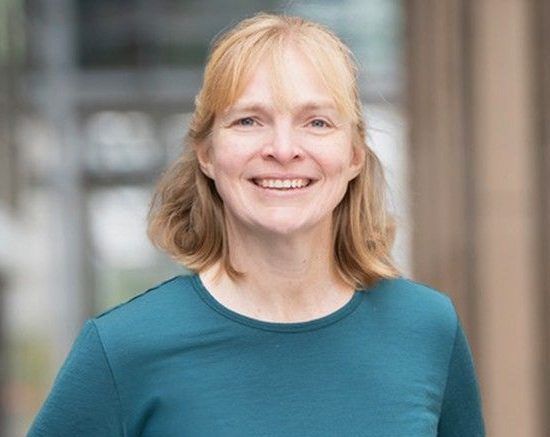
Dr. Elaine Ma

Fast forward a couple of years and the callous and unthinking bureaucrats at OHIP decide that she has billed the wrong code and demand she pay back $600,000. I won’t restate all the steps she went through to fight this. I will state that the reasons for them wanting the money paid back varied between the clinic being outdoors instead of indoors, medical students being involved and so on. But eventually the case winds up at Divisional Court.

On Dec 16, the court handed down a ruling supporting Dr. Ma. What I had failed to realize before is that the Ontario Health bureaucrats main argument appears to be that there were no extenuating circumstances during the time of the Vaccine Clinics that Dr. Ma set up. Yes, you read that correctly. The whole country was in the midst of a (hopefully) once in a lifetime pandemic. Canada was effectively shut down for business. People were not allowed to visit loved ones in hospital or nursing homes. Travel had ground to a halt. But, in the minds of the soulless and spiteful bureaucrats, none of this constituted “extenuating circumstances”.

Thankfully, Divisional Court Justices Matheson, Varpio and O’Brien were having none of this nonsense. They clearly stated the decision by bureaucrats that there were no extenuating circumstances was “unreasonable.” (I would have, and will, call that decision much worse things). The Justices pointed out the obvious. There was clearly a public health crisis at the time, and that many leaders, including politicians were calling on physicians to get the vaccinations done.

More importantly they stated something the OMA’s legal team really needs to take a deep dive into:

…”that the wording of section 17.5 does not limit relief to unpaid claims; it only requires the presence of extenuating circumstances. Since OHIP typically pays claims first and reviews them later, a restriction on unpaid claims would effectively nullify the provision. The court called this interpretation unreasonable.”

Currently OHIP pays physicians whenever they bill. Later, OHIP decides if it was reasonable or not, and if OHIP feels the situation is unreasonable, they demand the money back. The justices seem to be saying this process is not fair. Which has implications far beyond this one case. Obviously, this would not apply to clear cut cases of fraud. It is a much much needed kick to the slow, incompetent, and spiteful OHIP review process. I can’t possibly understand the potential future implications for this – but I suspect there will be many.

Finally, the justices let their displeasure be known by ordering OHIP to pay Dr. Ma $10,000 in court costs. This strongly suggests to me that they were peeved at the OHIP bureaucrats for taking it this far, and really didn’t think it should have gone there.

How is this hurting health care now?

Ontario is currently seeing an unprecedented surge in flu cases. Flu season has come early. The current variant appears to be extremely strong. It is circulating at “sky high” levels among young people. Three children (at least) have died. Hospitals have declared outbreaks and wards are closed. Visitation has stopped.

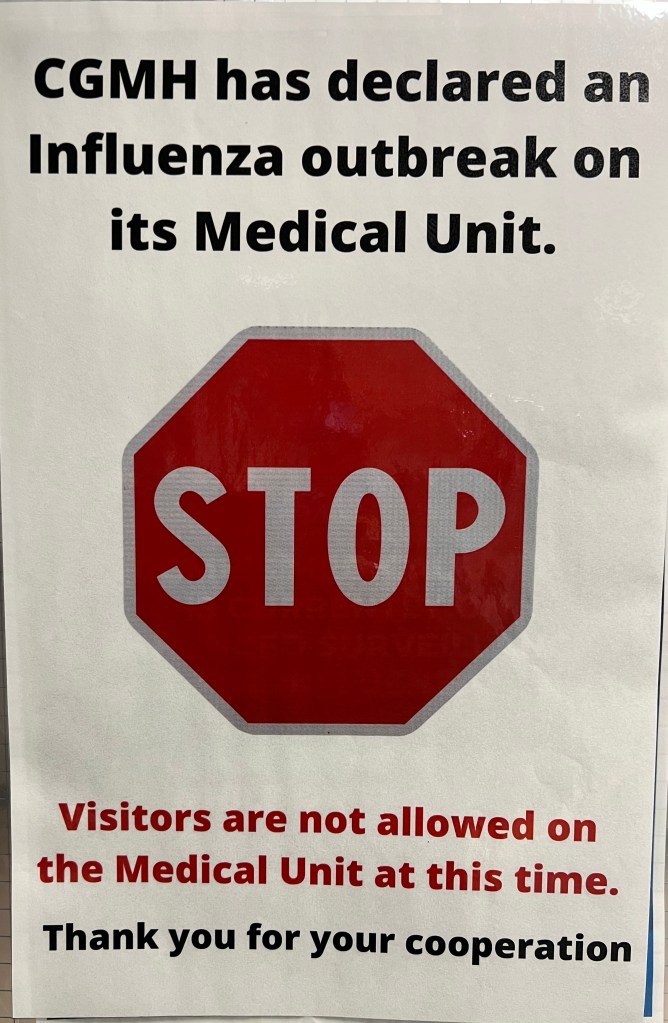
Sign on the door to the Medical Ward of my Hospital

You know what would really help? If only some people would come up with some innovative ways of getting their communities vaccinated against the flu. Yes this year’s flu shot is a bit of mismatch for the current strain, but it still provides some protection and keeps you from getting really ill.

Or how about an innovative idea for where to safely look after patients like was done during the Covid crisis. My friend Dr. Bryan Recoskie set up a unique 18 bed ward in our local Legion, to look after non-covid patients while the hospital wards were shut with covid positive patients.

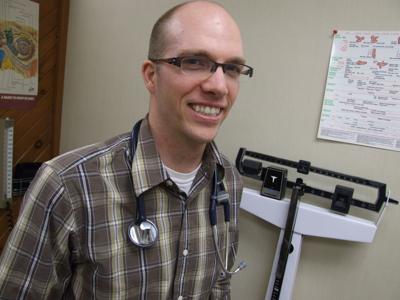
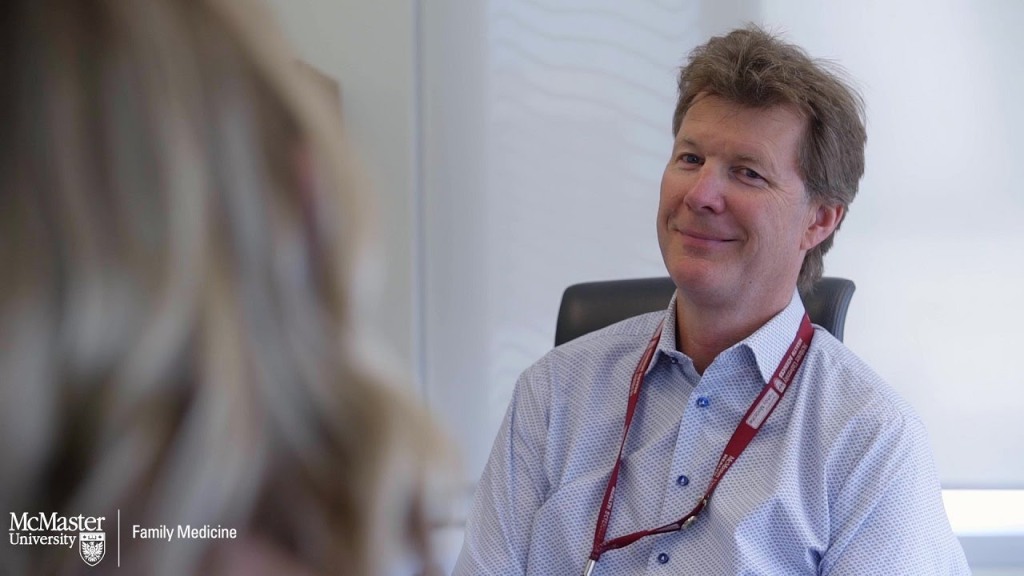
Dr. Bryan Recoskie

And yet, I don’t see any of that happening right now. Don’t get me wrong, doctors continue to go to work. We continue to care for the sick and continue to comfort those in need. We continue to do our best in these trying circumstances.

But I can’t find any evidence (please correct me if I’m wrong) – of where people are doing unique out of the box things to try and mitigate the currently unfolding nightmare. Given the potential exists that IF you try something unique, you may wind up undergoing two years of pure hell by bitter, ruthless and depraved bureaucrats – can you blame people for not trying?

To quote a good friend of mine, “The damage has been done. Nobody is going to stick their necks out now.”

What should happen (but won’t):

First, under no circumstances should OHIP appeal the decision from Divisional Court. The mercilessly inhumane bureaucrats need back down. Second, Health Minister Sylvia Jones needs to do what she should have done a year ago – and direct the bureaucrats not to seek any recovery at all from Dr. Ma. It’s just the right and decent thing to do.

Finally, it would really help if Minister Jones issued a formal apology to Dr. Ma for how she has been treated by the bureaucrats. It’s not just the OHIP bureaucrats. Jones’ own communications director, Hannah Jensen claimed Dr. Ma had “pocketed the funds“, a statement that clearly suggested malfeasance.

Do that, and maybe, just maybe, physicians would once again feel comfortable coming up with out of the box solutions for crises that are occurring.

Maybe.

OMA Manipulates Board Elections and Weakens Members Voices

On November 20, Ontario Medical Association (OMA) Past President Dr. Dominik Nowak sent all members an email encouraging them to run for positions in the upcoming OMA Elections cycle. As Past President, his role is to oversee the elections for over 100 positions. He needs to ensure they are fairly run so the voice of all Ontario physicians can be heard.

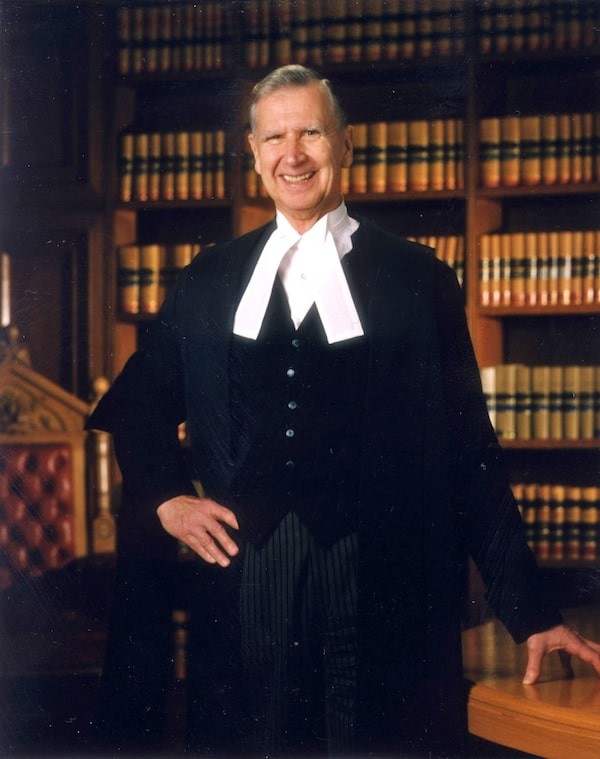
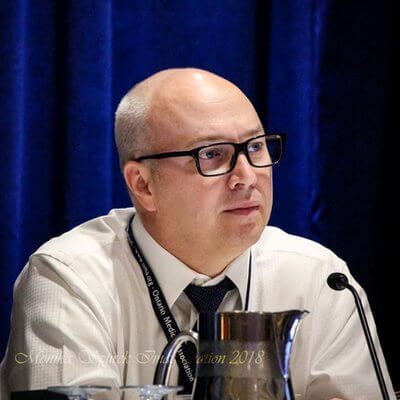
Current Past President of the OMA, Dr. Dominik Nowak

Unfortunately, the current Board has sabotaged this process and rather than listen to the members, will only present pre-approved candidates for Board Director, the most important role. They have the responsibility of ensuring the OMA speaks for, you know, the members. Buried in his email were the following statements:

  • A streamlined shortlisting process for board candidates, with two to four candidates, whose skills and experience align with the board’s needs, being presented on the ballot for each open position 
  • Stronger screening and evaluation for consistency and fairness of candidates 
  • More transparency about how the board performs and what gaps are in the skills-based matrix

There is no explanation of what exactly this “streamlined” process is. But it’s clear that there will be now be increased vetting of candidates and some candidates will be found wanting and not allowed to run. Now, there always was some vetting of Board Candidates. Candidates had to be in good standing with College of Physicians and Surgeons, the OMA, pass background police checks etc. Some basic stuff.

But now, undoubtedly based on the fact that something like 38 people ran for Board last year, the OMA Board has determined to vet candidates even more and reject qualified people if they don’t meet these nebulous criteria. Importantly, the criteria will be to pick candidates who align with the BOARD‘s needs, not the MEMBERS. This is of course, all in the name of “fairness” and “transparency” and to make decisions “easier” for physicians.

But here’s the thing, the Board will NOT do the vetting. Board’s don’t actually do any operational work. Their job is to set policy, and then let the staff of the OMA implement it. So it will be up to the staff of the OMA to vet the Board candidates, and then approve whoever is acceptable……..to the staff.

Colleagues, we have a big problem.

The OMA staff are generally good people who work quite hard on behalf of physicians. They get a lot of unwarranted criticism for decisions that are actually made by physician leaders. Our elected leaders that should bare the blame.

But, at the end of the day, the OMA staff are only human, and prone to human tendencies and failures. My friend Dr. Greg Dubord, who I was honoured to pen a blog with, introduced me to Robert Michel‘s “Iron Law of Oligarchy“. It would seem to apply just not to the CFPC, but to what is going on at the OMA. From Wikipedia:

… all organizations eventually come to be run by a leadership class who often function as paid administratorsexecutivesspokespersons, or political strategists for the organization. Far from being servants of the masses…. this leadership class, rather than the organization’s membership, will inevitably grow to dominate the organization’s power structures.[3]

And that is exactly what is going to happen with these new changes. The OMA staff (not physician leaders, but employees of the OMA) will review the candidates for Board. THEY will decide who meets certain criteria. THEY will determine how many candidates run for each Board position, hiding behind a policy the Board has set.

Will they do their best to pick some good people? Sure. But their definition of “good” may not be what the members want. For example, someone like Shawn Whatley was openly critical of the OMA prior to being elected as President. Would he have passed these criteria? How about Nadia Alam? Prior to getting involved in medical political activism she was a relative unknown with little leadership experience (even though she is arguably the most well respected President of the past 25 years).

Nope. My guess is they would have been found wanting. A total guess on my part would have been Dr. Whatley would be deemed “too disruptive” (he famously resigned from the OMA Board prior to being elected President). Dr. Alam would like be viewed as “too inexperienced.”

Worse, the blunt reality is that the staff will likely decide who is “best qualified” based on how well they can work with them (that’s just human nature). Not necessarily those who can, you know, push them and challenge them to do better.

The staff, generally being very nice people, always had a tendency to try to work co-operatively with the various government bureaucrats on bilateral committees. This is despite the over 30 years of evidence that always trying to be nice and reasonable just isn’t working. Cynics have suggested that its in part because they realize if they want to advance their careers – one of the places they can go after working in the OMA is the government, and it doesn’t help to burn bridges there. So why would they approve a candidate who had a reputation for being less than reasonable?

Want proof? Just look at how badly the OMA as an organization handled last year’s elections. I asked potential Board Directors to commit to filing a Freedom of Information Act request, to determine just how many patients Nurse Practitioners saw in a day and how much they cost the health care system per patient (easy to do with billing numbers). The goal was to get proof that they were more expensive overall (by a lot) than family physicians and slow down scope creep.

Not only did the OMA put a stop to that, they threatened the careers of people who signed that with a Code of Conduct violation. Can’t have people on the OMA Board who will be too aggressive can we? (Psst – hey Kim Moran, CEO of the OMA – how is sending strongly worded letters to the government asking them to stop scope expansion working out? Oh, right.)

Do you really think with that history, the current staff will allow someone even remotely controversial to run?

The OMA Board has shamefully allowed this to happen. As a result there will not be a diverse Board with many viewpoints that focus on members. Rather a bland, non-controversial Board that will be limiting to speaking in political jargon speaking points in response to all issues.

Physicians will truly be hurt by this short sighted decision.

Open Letter to Premier Francois Legault

The Honourable François Legault, M.L.A.
Premier of the Province of Quebec
Édifice Honoré-Mercier, 3e étage
835, boul. René-Lévesque Est
Quebec QC G1A 1B4

Dear Premier Legault,

You probably don’t know who I am, and are wondering what propelled me to write an open letter to you. I decided to write to you after doing a radio interview with Greg Brady on his show Toronto Today. During the interview, Greg asked me to comment on the strife between you and the physicians in your province. He brought up the fact that in the past couple of weeks, 263 physicians from Quebec have applied for a licence to practice medicine in Ontario.

Now, I certainly don’t pretend to be an expert in how the health system functions in Quebec. Nor would I assume to know all of the intricacies of Bill 2, the legislation that you’ve introduced that has your physicians so angry. And no, I’ll say right off the bat, I don’t know what negotiations between you and the representative bodies of physicians in Quebec (FMSQ and FMOQ)have been like.

But I will tell you that my very first blog ever (in the Huffington Post) was an open letter to Ontario’s then health minister, Dr. Eric Hoskins. I wrote that blog because his government was talking unilateral actions against physicians (sound familiar?) In it, I warned Dr. Hoskins that acting in a unilateral manner would result in chaos for our health system:

“We cannot return to a system where there are three million or more people without a family doctor, or wait times to see specialists (already too long in my area) get prohibitively longer.”

I also warned of the political consequences of proceeding with unilateral actions and how this would hurt Liberals in the 2018 election. You perhaps know they were absolutely decimated in that election. While its true a large part of that defeat was because the feckless Premier Kathleen Wynne was so widely disliked, I maintain to this day the Liberals could at least have maintained official party status had they not botched health care so badly.

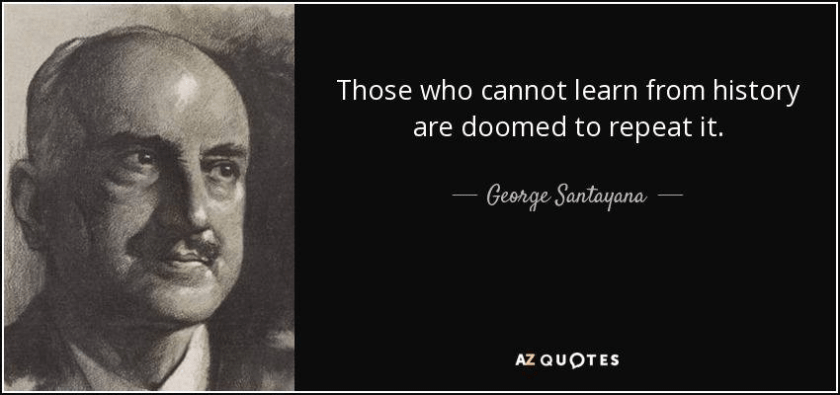
The reason I could make those statements in my blog with such absolute certainty, and have them proven right in the end was not because of any prescience on my part. It’s because I followed the advice of Santayana:

Look, I understand that some of the specifics of the policies and legislation that you are bringing in are different from what Dr. Hoskins tried to do. But at the end of the day, it amounts to you as a government saying that you know how to run healthcare. You don’t need advice or co-operation from doctors. You’re going to impose the changes you want.

I’d encourage you to go back and read the letter I wrote to Dr. Hoskins. I pointed out to him that he was repeating the mistakes (unilateral actions) of the Bob Rae NDP government in the 1990s. They destroyed health care by those actions and were wiped out in the 1995 election, never to see power again.

Take a look at the Jason Kenney PC government of 2019. The went to war with Alberta Medical Association in 2020. The only way they were able to salvage a victory in the next election after that, was to dump their leader, Jason Kenney. (It’s true unhappiness with how he handled the Covid pandemic played a role – but again, the point is there was no saving grace for him – if he had kept health care functioning…..)

Want more? Look at the actions of the Gordon Campbell British Columbia government. Between 2001-2002 they unilaterally tore up an arbitration agreement between the BC government and their doctors. Years of discord including a Charter Challenge (that the BC Government eventually lost), political strife, a strike vote by physicians and a vastly reduced majority followed. Eventually, given a failing health system caused by their own arrogance, the BC government had to come to an agreement with their doctors in 2002, and again in 2006 that restored binding arbitration and was viewed as extremely generous at the time.

As I pointed out to Dr. Hoskins the message is simple. Any government that takes on unilateral action will run the risk of losing doctors from that province. When that happens, the healthcare system suffers. When that happens patients suffer, wait times go up, care deteriorates. When that happens, people don’t blame the doctors, they blame the politicians.

In short, a government that imposes unilateral actions on physicians not only hurts the patients of their province, they always pays a political price. They always have to pay more in the long run than if they just worked fairly with their physicians in the first place.

Look, I don’t particularly care about you or your government. I could not care less whether you win or lose your next election. But I happen to care a lot about my physician colleagues and I know that they are very very angry (and rightfully so). I also care about the residents of Quebec, and I know that they are going to suffer a lot because of your actions. As of now, 28% of your population does not have a family doctor. Can you imagine what will happen if 263 leave? And do you really think any doctor with half a brain will actually come to Quebec when your government behaves like this?

Trust me on this one, if you don’t immediately reverse course, and start to work with your doctors – the harm done to your health system and the people you are supposed to serve will be enormous.

And if you don’t believe me – go read that quote from Santayana again.

Yours truly,

An Old Country Doctor

Lettre ouverte au premier ministre François Legault

L’honorable François Legault, député
Premier ministre du Québec
Édifice Honoré-Mercier, 3e étage
835, boul. René-Lévesque Est
Québec (Québec) G1A 1B4

Monsieur le Premier Ministre,

Vous ne me connaissez probablement pas, et vous vous demandez sans doute ce qui m’a poussé à vous écrire une lettre ouverte. J’ai pris cette décision après avoir fait une entrevue à la radio avec Greg Brady, dans son émission Toronto Today. Durant l’entrevue, Greg m’a demandé de commenter la chicane entre vous et les médecins de votre province. Il a mentionné que, dans les dernières semaines, 263 médecins québécois ont fait une demande de permis pour pratiquer en Ontario.

Je ne prétends certainement pas être un expert du fonctionnement du système de santé au Québec. Je ne me permettrais pas non plus de dire que je comprends toutes les subtilités du projet de loi 2, la législation que vous avez déposée et qui met vos médecins en colère. Et non, je vais le dire d’emblée : je ne sais pas comment se déroulent vos négociations avec les organismes représentant les médecins du Québec (la FMSQ et la FMOQ).

Mais je peux vous dire que mon tout premier billet de blogue (dans le Huffington Post) était une lettre ouverte adressée à l’ancien ministre de la Santé de l’Ontario, le Dr Eric Hoskins. J’avais écrit ce billet parce que son gouvernement parlait d’imposer des mesures unilatérales contre les médecins (ça vous rappelle quelque chose?). Dans ce texte, j’avertissais le Dr Hoskins que des actions unilatérales allaient engendrer le chaos dans notre système de santé :

On ne peut pas retourner à un système où trois millions de personnes et plus n’ont pas de médecin de famille, ou encore à des délais pour consulter un spécialiste (déjà trop longs chez nous) qui deviennent carrément intenables.

J’avais aussi prévenu qu’il y aurait un prix politique à payer en allant de l’avant de façon unilatérale, et que cela nuirait aux libéraux lors de l’élection de 2018. Vous savez peut-être qu’ils ont été complètement anéantis à cette élection-là. Même si une bonne partie de leur défaite s’explique par l’impopularité de la première ministre Kathleen Wynne, je maintiens encore aujourd’hui que les libéraux auraient au moins pu conserver leur statut de parti officiel s’ils n’avaient pas magané le système de santé à ce point.

La raison pour laquelle j’ai pu écrire ces avertissements avec autant d’assurance — et avoir raison au final — ce n’était pas de la clairvoyance de ma part. C’est simplement que j’ai suivi le conseil de Santayana :

A picture of George Santayana, Spanish American philosopher with his famous quote "Those who don't learn from history are doomed to repeat it"

Ceux qui ne peuvent apprendre de l’histoire sont condamnés à la répéter.

Regardez : je comprends que les détails précis des politiques et du projet de loi que vous déposez ne sont pas identiques à ce que le Dr Hoskins tentait de faire. Mais au bout du compte, le message est le même : votre gouvernement affirme qu’il sait mieux que tout le monde comment gérer le système de santé. Vous n’avez pas besoin de l’avis ni de la collaboration des médecins. Vous allez imposer les changements que vous voulez.

Je vous encourage à retourner lire la lettre que j’avais envoyée au Dr Hoskins. Je lui avais souligné qu’il répétait les erreurs (les gestes unilatéraux) du gouvernement néo-démocrate de Bob Rae dans les années 1990. Ils ont détruit le système de santé avec ces actions-là et ont été balayés lors de l’élection de 1995, sans jamais reprendre le pouvoir depuis.

Jetez un œil au gouvernement progressiste-conservateur de Jason Kenney en Alberta, en 2019. Ils se sont mis en guerre avec l’Alberta Medical Association en 2020. La seule façon pour eux d’éviter une défaite à l’élection suivante a été de sacrifier leur chef, Jason Kenney. (Oui, c’est vrai que le mécontentement lié à sa gestion de la pandémie a joué — mais l’essentiel, c’est qu’il n’y avait rien pour le sauver. S’il avait gardé un système de santé fonctionnel…)

Vous en voulez d’autres? Regardez le gouvernement de Gordon Campbell, en Colombie-Britannique. En 2001-2002, ils ont unilatéralement déchiré une entente d’arbitrage conclue entre le gouvernement et les médecins. Cela a été suivi par des années de conflit, un recours fondé sur la Charte (que le gouvernement a perdu), du tumulte politique, un vote de grève des médecins et une majorité gouvernementale passablement réduite. Finalement, devant un système de santé en déroute — un échec dû à leur propre arrogance — le gouvernement a dû conclure une entente avec les médecins en 2002, puis en 2006, rétablissant l’arbitrage exécutoire dans des conditions jugées très généreuses à l’époque.

Comme je l’avais dit au Dr Hoskins, le message est simple :


Tout gouvernement qui agit unilatéralement court le risque de perdre des médecins.

Et quand ça arrive, le système de santé en souffre. Les patients en souffrent. Les délais augmentent. Les soins se détériorent. Et dans ces situations-là, les gens ne blâment pas les médecins. Ils blâment les politiciens.

En bref, un gouvernement qui impose des mesures unilatérales aux médecins fait du tort aux patients de sa province et paie toujours un prix politique. Au final, il finit toujours par payer plus cher que s’il avait tout simplement négocié de façon juste avec ses médecins dès le départ.

Écoutez : je n’ai pas d’intérêt particulier pour vous ou votre gouvernement. Ça m’est complètement égal que vous gagniez ou non la prochaine élection. Mais mes collègues médecins, je m’en soucie. Et je sais qu’ils sont très, très fâchés (et avec raison). Je me soucie aussi des citoyens du Québec, et je sais qu’ils vont énormément souffrir de vos décisions. En ce moment, 28 % de la population n’a pas de médecin de famille. Imaginez ce qui va arriver si 263 quittent. Et pensez-vous vraiment qu’un médecin sensé voudra venir pratiquer au Québec quand votre gouvernement agit de cette façon?

Croyez-moi : si vous ne changez pas de cap immédiatement et si vous ne recommencez pas à travailler avec vos médecins, les dommages causés à votre système de santé — et aux gens que vous êtes censé servir — seront immenses.

Et si vous ne me croyez pas, relisez la citation de Santayana.

Cordialement,

Un vieux médecin de campagne

It Appears Family Doctors are Giving Up…

Recently, I attended the Menopause Society’s Biennial National Scientific Conference. I’ve long felt that medicine as a whole has done a poor job on women’s health issues, and wanted to learn more about what I can do to better help my patients. The conference itself was packed (over 600 attendees). Half of them were family doctors like myself. As with all medical conferences, not only did I get the chance to learn some valuable information to benefit my patients, I got a chance to network with colleagues from across the country.

Sadly however, a rather large number of family doctors I met were in a similar state of mind. They were tired, burnt out, and were actively exploring ways to stop practicing family medicine. In short, they were all giving up.

A dear friend of mine is taking 6 months off her practice to re-evaluate her work (despite having helped countless numbers of people over the years). Another physician has found happiness working part time at a specialty clinic and occasionally doing locums (vacation relief work). Another is actively looking to find someone to take over his practice. Another is simply going to close her practice after two years of trying to find someone to take over. Another…….ah, you get the point.

About one -third of the family doctors I spoke to were all at some stage of quitting family medicine. Given that Canada has 6 million people without a family doctor – which is already a disaster- it’s safe to say our health care system won’t survive if this happens.

About the only part of the country where family doctors seemed to want to carry on was Manitoba. They cited a new contract that fairly compensated them for their work, and a reasonably positive working relationship with the government. I guess that’s why Manitoba set a new record for recruiting physicians last year. Paying people fairly and working with them co-operatively will attract new talent? Who knew?

(As an aside, Manitoba is also the only province I am aware of that has a specific billing code for counselling women on issues related to peri-menopause and menopause).

But I digress. The question becomes why are so many family doctors planning on giving up? I would suggest it’s a host of issues. There is an increasing level of burnout in the profession. It’s primarily driven by by the administrative workload which has gotten out of hand. For example, I recently went on vacation to Manitoulin Island, and while waiting for the ferry, I couldn’t help but pull out my laptop and check my lab work and messages. I knew that if I didn’t check my labs every day, the workload on my first day back would be crushing.

Me in my car, waiting to get on the Chi-Cheemon ferry to Manitoulin Island, checking my labs and messages on my Electronic Medical Record (dummy chart on screen)

There’s also the constant delays in getting patients tests and referrals to specialists. The most common message I get from my patients is something along the lines of “I haven’t heard from the specialist/diagnostic test people yet, do you know when it’s going to be?”

And of course there is the ever present “But my naturopath told me you could order my serum rhubarb levels for free” and “I did a search online and it told me I need a full body MRI”.

The worst part of it of course, is that the family doctor becomes the brunt of the frustration and anger that patients express when the health care system doesn’t live up to their expectations. I had to tell three patients (while I was on vacation) that, no, I couldn’t do anything to speed up the specialist appointment. Four more were told that I had in fact called the pharmacy with their prescriptions – and I had the fax logs/email logs to prove it. And so on…

So what can be done?

In the absence of anything else of course, the first thing is to pay family doctors more. Recently, the Ontario Medical Association (OMA) and the Ministry of Health (MoH) have rolled out the “FHO+” model of paying physicians. There is a slight bump in pay (about 4% for the next fiscal year over this year). There is also an acknowledgement that administrative work needs to get paid and some other tweaks. It’s perhaps a start, but in the current system, a 4% raise will not stop the haemorrhaging of family physicians.

What really needs to happen is for Ontario to forcibly, quickly and rapidly move to a modernized, province wide electronic medical records system. I’ve been talking about this for years and years and even presented on this to eHealth Ontario (in 2018!). But I have not been able to explain it as well as my colleague Dr. Iris Gorfinkel did in her recent Toronto Star Op-ed. (It’s a really good read and I encourage you all to read it). To shamelessly quote her:

“A fully integrated, province‑wide, patient‑accessible electronic health record system should no longer be viewed as a luxury, but an essential part of the solution to Ontario’s existing crisis…… It would free family doctors to do the work only we can do.”

Secondly, we need to rapidly move towards team based care with family physicians as the lead of the team. While the MoH is announcing teams proudly in the hopes of connecting patients with doctors, the rollout seems kind of uneven. They amount to a call for proposals as opposed to a specific evidence based structure of how these teams should run. There’s also no specific role guarantees for family physicians in these teams (beyond saying they are important). The process seems slipshod at best.

Finally, at the end of the day we must not shame or diminish those family physicians who have given up. Many of them have spent years, if not decades fighting for better care for their patients. The fact that the unrelenting bureaucracy of our cumbersome health care system finally got to them and made them give up should be cause to shame the people in charge of health care, not the individual physicians.

Let’s hope that message gets across.

Never Ending Arbitration Seems to Be Our Fate

On September 18, 2026, Arbitrator William Kaplan handed down an award for Ontario physicians in their ongoing and seemingly never ending negotiations process. I imagine rather a lot will be written about this. There are already lots of comments on social media, and many rushes to analysis, sacrificing accuracy for expediency. This is sadly true for any hot button news topic these days. I’m going to take my time to review the ruling in detail and probably have some more thoughts on it later. I would prefer to be accurate, not quick.

Photo of Arbitrator William Kaplan, owner of Kaplan Arbitration
Arbitrator William Kaplan

One thing I will say is that physicians are going to be locked into a perpetual negotiations/arbitration process for the next few years. In a previous blog I had commented that all outstanding arbitration issues would be resolved with this ruling. I based that on comments made by the OMA, and by the arbitrator himself. Being a victim of Murphy’s Law on many occasions, I did go on to say that:

“Of course now that I write this there probably will be yet another process announced after this which will mean more negotiation and arbitration”

Unfortunately, it appears that last part is indeed the case. All this ruling really does is set a (too low) dollar value ruling for how much of an increase (general and targeted) physicians are entitled to for the fiscal years April 1, 2025-March 31, 2028. It doesn’t deal with rather a whole lot of implementation issues.

For example, what exactly is going to be the dollar value of each fee code as of April 1, 2026?. The Ontario Medical Association (OMA) has long stated that current fee codes/billing are temporary and the new permanent values for codes will be implemented this coming April 1. The award defers that to the ongoing Physician Payment Committee (PPC) process that is supposed to have fee codes ready by then.

Additionally, the Award mentions the targeted funds for things like Hospital On Call (HOCC)/Unbundling Surgical Codes/Alternate Payment Plans and more – > but not the specifics of how those funds are going to be distributed or billed. Even the OMA’s own “agreed issues document” doesn’t really offer an agreement. For HOCC for example, it states:

“The parties shall conclude negotiations on the revised burden-based HOCC system bilaterally….If agreement cannot be reached by January 1, 2026, either party may refer the matter to mediation/arbitration ….”

Ok – what about things like the constant delay in physicians getting paid for work they do, supposedly due to the inefficient and ancient OHIP computers. The Award doesn’t set out a specifically penalty. It simply directs the OMA/MOH to make it a priority to fix this issue and if they can’t :

“This Board will remain seized in the event that the parties cannot reach agreement, with either, party having the right to return to this Board after January 1, 2026”

Yup, more negotiations and arbitration if the OMA asks for penalties for delayed payments. I hope there’s a good legal reason the OMA didn’t ask for specific penalties in their Arbitration briefs, otherwise it was dumb of them not to. The MOH asked for penalties in the new FHO+ model for family doctors, and that was awarded.

There’s also the fact that this award has funds that should have been already paid to us on April 1 of this year. The award does provide some guidance in terms of saying the increases should be paid retroactively on a lump sum basis, but once again – if the parties can’t agree to the relativity splits for that money – it goes back to……..more Arbitration.

Essentially the award says physicians as a whole are to get 7.3 percent in general increases and 2.2% in targeted increases. The MOH and OMA are to figure out how to split that (mostly through the PPC) – and then go back to the Arbitrator if they can’t agree.

Now the PPC itself is, you guessed it, a bilateral committee of the OMA and the Ontario Government. In fairness to them, they have been working quite hard all this time from what I can tell. They may be further along than we think. But I’m guessing that the government members will have a different overall agenda than the OMA. All it takes is for the government to put their foot down on one issue and the whole thing goes back to Arbitration.

The lawyers are gonna get really really rich……

I will once again state that this Arbitration process is still preferable to having unilateral actions imposed upon physicians by governments. Those of us who lived through the Eric Hoskins/Bob Bell years realize just how much worse things would be with the government acting unilaterally.

BUT – never also forget that this protracted process is also because the current government doesn’t really have the capacity to understand the complexity of the health care system (and the complexity of how physicians get paid). Rather than have a bold vision for transforming health care, and making it clear how they will invest funds to promote that vision, they have opted to simply drag out the contractual process. If the MOH had come to the table in a constructive spirit, all the implementation could be rapidly done. The MOH’s absolute insistence on doing everything in the most drawn out way, regardless of the worsening health care crisis, is where they are really failing the people of Ontario.

Politically, of course, it makes some sense. Instead of negotiating a fair contract right from the start and then getting up and defending that from the usual critics, the government instead has chosen to simply let the Arbitrator make all their decisions . Then the government case say “we did what the Arbitrator told us” and shrug their shoulders if things go bad.

I’m acutely aware that to a certain extent the process benefits the OMA as an organization as well. Look at the new FHO+ model for paying family physicians. Because a couple of elements of the program couldn’t be negotiated – that issue went to Arbitration. Because it’s gone there, family doctors don’t get a chance to actually vote on the model like they would if there was a negotiated tentative agreement. So the OMA can kind of impose a model of payment they feel is acceptable on family physicians, rather than promote it in a free and fair vote.

The unfortunate thing is that I actually do think the FHO+ is a small step forward (not as big as the OMA is making it out to be) and likely would have passed if given to members to vote on. I would have voted for it myself despite my criticism of some aspects of it.

So what does this all mean for physicians? It means that for the next three years (at least) we should all get used to living in an era of constant ongoing negotiations and constant Arbitration, with continual delays in payments because of an intransigent government.

Sigh…

Patient Accountability ESSENTIAL for Health Care Systems

Canadians want a high functioning health care system. This requires (but is not limited to):

  • appropriate funding
  • a seamless electronic medical record
  • strong support for Family Doctors (the back bone of a high functioning health care system)
  • a “Goldilocks” level of oversight to ensure the needs of Canada’s diverse areas are met
  • and much more

But one essential feature that is not talked about nearly enough is patient accountability.

Doctors diagnose and treat patients. More of us (thankfully) are also discussing proactive measures to prevent people from getting sick (appropriate screening, lifestyle tips, advice on menopause/andropause etc).

BUT patients also bear a vital responsibility in their own health outcomes. When patients are accountable—meaning they are informed, engaged, proactive AND use the health system appropriately—health systems perform better. In contrast, passive, non-adherent patients who misuse health care will strain health systems.

What exactly is patient accountability? Partly it’s the degree to which individuals take responsibility for managing their health. This encompasses adherence to prescribed treatments, lifestyle choices, attending medical appointments, following preventive care recommendations and so on.  Certainly patients who adhere to current guidelines for, say, diabetic care, will have fewer complications and wind up in hospital less and use health care resources less overall. This is why investing in proactive teaching for diabetics has been shown to not just improve health care outcomes, but also the cost to the health care system.

Patient accountability cannot exist without adequate health literacy. Patients must understand medical terminology, navigate health systems, and assess risks to make informed decisions. Without health literacy, patients cannot be expected to manage their care effectively. A diabetic patient who learns to read food labels, monitor blood sugar, and adjust insulin levels exemplifies accountability in practice. When one looks at just how disjointed our current health care system is, it is clear we have much work to do to improve health literacy amongst our patients – and that dollars spent to promote this, will be money well spent.

But patient accountability also refers to how patients use the health care system. Our health system is under pressure from growing demand, finite resources, and rising costs. Patient accountability plays a pivotal role in mitigating these challenges.

Non-adherence to treatment alone is estimated to cost billions annually in avoidable hospitalizations, emergency room visits, and disease complications. For example, failure to take antibiotics properly can lead to resistant infections requiring more intensive care. Likewise, patients who frequently miss appointments or use emergency departments for non-urgent needs place undue strain on systems designed for more acute care.

By contrast, when patients manage minor issues at home, access preventive care on schedule, and comply with physician recommendations, they reduce unnecessary utilization of high-cost services. This not only frees up resources for patients with more serious needs but also ensures that funding is directed toward value-based care rather than avoidable interventions.

During my time in practice, I have only seen one government paper that talked about patient accountability – the (in)famous Price-Baker report of 2015. Written by lead authours Dr David Price and Elizabeth Baker, and including luminaries like Dr. Danielle Martin on their expert committee, one of it’s ten principles stated:

“The system is built on joint accountability: Each primary care provider group is responsible for a given population and their primary health care needs. Both provider groups and citizens are expected to use the system responsibly.”

Since then of course I have yet to hear Drs. Price/Martin or any of the other authours talk publicly about patient accountability.

How does this work in other countries?

In Finland, patients are told they have the right to good care that respects their opinions and ensures that there is informed consent with treatment. This onus is on the doctors. BUT, Finland also puts accountability measures on the patients in the form of user fees. They are generally nominal, but they are there, and I would suggest, serve to make patients think about whether they are using the health system wisely.

In Norway a similar concept applies. Health care is heavily subsidized by public health insurance. However there are user fees up to a prescribed annual maximum (currently around $250 if I’ve done the currency conversion correctly). After that, all your health care needs are covered (nobody goes bankrupt if they get cancer).

Then we have the Netherlands. There you are required by law to purchase health insurance (there are many providers apparently). There are various packages from basic to more comprehensive and the costs vary. There is also, unsurprisingly, a deductible, known as Eigen Risico, which you have to pay, before your insurance kicks in. It’s mandatory.

I picked these three countries as examples because not only do have a reputation for providing excellent health care, but because they are often talked about in glowing terms by the two physicians who seem to be driving the change in Primary Care in Ontario, Dr. Jane Philpott (Chair of Ontario’s Primary Care Action Team) and Dr. Tara Kiran (principal investigator for the ourcare.ca project)

Dr. Philpott frequently mentions countries like Finland/Norway, not just in her book (Health for All) but in various interviews. Dr. Kiran has frequently mentioned the Netherlands. They have generally spoken in glowing terms about how well the health system works in those countries and how almost everyone has a family doctor there.

I’ve also never heard them talk about how those countries require patients to be accountable for how they use the health care system.

Currently, our health care system is poorly rated compared to its peers. Canadians want, and deserve a better system. But in order to get that, we need to recognize that preserving our health care system is a shared responsibility. Despite what the politicians say, you should NOT be able just to walk into a health care facility and automatically expect it to be perfect. Rather, we should all recognize that we taxpayers own the system. As owners, we have a responsibility to use it fairly, wisely and appropriately. And yes, that means putting in mechanisms like deductibles to ensure people think about how they use health care.

Or we can carry on with a health system in a perpetual state of crisis. The choice really is up to us.

MOH Pleasantly Surprises (!) and OMA Disappoints in Arbitration Briefs

As I write this, yet another round of Arbitration has begun between the Ministry of Health (MOH) and the Ontario Medical Association (OMA). This time, the goal is to provide a contract for years 2-4 for the Physicians Services Agreement (PSA). As was pointed out to me on social media (thanks Jane and Lisa), year 2 of this current PSA cycle began on April 1, 2025. Yet again, physicians are going to be due retroactive pay for whatever the Arbitrator decides.

Lawyers from both sides have prepared rather thick legal documents called “briefs”. (Proof number 4,638 that lawyers have a rather weird sense of humour). These briefs are public.

I’d be lying if I said that I had thoroughly understood the briefs from both sides. The excruciating agony in trying to parse the language in these things would make having a kidney stone preferable. But these are my humble thoughts from trying to do so….

  1. The MOH team appears to have learned their lesson from last time.

To be abundantly clear right off the bat, the MOH offer for physicians is too low. They are clearly undervaluing doctors in their stance and if the Arbitrator was to accept their position, it would spell further disaster for health care in Ontario.

But….

As I mentioned in my last blog, offering low is what you expect from the other side. It’s part of posturing for the Arbitrator and I’m genuinely not ruffled by it. What would have been unacceptable is they had refused to recognize the severity of the health care crisis like they did last time. Or if they had once again repeated the truly stupid statement that they weren’t concerned about the shortage of comprehensive care family doctors.

Additionally, the MOH has actually agreed to enhance family medicine models through the “FHO+” program, and has agreed to spend a large chunk of the funds on family physicians, an area of the health care system that is dire need. In essence, they admit that there is a problem with a shortage of comprehensive care family doctors. (NB – I will have my thoughts on the FHO+ model sometime early next week).

To re-iterate, there are still a number of problematic issues with their arbitration proposals, including the too low wage increase, the hopelessly complex method of “accountability” in the FHO+ model, a laughable statement that attachment bonuses for Complex patients will begin on July 1, 2025 when the Arbitrator won’t even rule on this until September or October of this year.

But their position is at least not stupid, and certainly not enough to make me go off like last time.

2. The OMA Disappoints With Their Brief

Once again, to be fair, there is a lot to like in the OMA Brief. There is a good analysis of the economic picture in Ontario, a great analysis of the the delays in care, the crisis in family medicine, hard hitting information about the challenges of recruiting and retaining physicians, superb advocating to relieve the admin burden and a clear explanation of why many Alternate Payment Plans are outdated.

Alas, there is once again a “but” here…..

All of the above is what one should expect from a representative organization. One should however, also expect that organization to advocate strongly to make sure their members get their increases in a reasonable time. And it’s here that the OMA falls (badly) flat.

One of (if not THE biggest) issues for physicians these past couple of years has been the constant delays in getting the increases the Arbitrator awarded them in a timely manner. Just recently the MOH unilaterally announced a delay in paying the retroactive funds owed physicians. This is amongst a series of delays all attributed to an ancient and decrepit computer system at the government. (They’ve been making this statement for well over a decade, and very tellingly, have NEVER bothered to upgrade their system).

While the last 4 pages of the OMA Arbitration Brief does a nice job of outlining the issue for the Arbitrator, including the consequences of the MOH incompetence (physicians will simply stop doing certain procedures), the remedy the OMA seeks is milquetoast at best. From the Arbitration brief (edited):

“As a result, the OMA requests, as is normal and customary, that this Board of Arbitration remain seized with respect to any issues arising from the implementation of this Award……….

“….with the OMA reserving its right to seek appropriate remedies (e.g. interest) in the event that the Ministry fails to meet agreed upon or directed implementation dates, particularly where the Ministry is unable to provide justification for any delay, or otherwise where the delay is unreasonable and unwarranted.”

That’s it?? All this means is that WHEN (not if – we all know the MOH can’t get their act together) the next payment delays show up, all that will happen is the OMA will complain to the Arbitrator, then there will be more hearings, and those hearings will go on for months/years and then finally, the Arbitrator MAY announce penalties to the MOH. The only good that will come out of this is that a bunch of lawyers will get rich going to repeated hearings.

What’s worse is the OMA readily admits they know the Arbitrator “favours accountability measures” in their video on the new FHO+ model (around the 3:36 mark). So doctors have to be accountable to follow an agreement, but the MOH can wiggle out and delay? The OMA can’t advocate for accountability to go both ways?

EVEN worse is that in reading the MOH briefs, they actually clearly lay out what accountability measures they want from physicians. Page 92 specifically outlines what accountability they expect from family physicians in the new FHO+ model, and how the penalties will be implemented if physicians don’t meet those accountabilities. No “seizing of the Arbitration Board” or any such thing. Now I disagree wholeheartedly with the MOH stance on this – but at least they clearly outlined what remedies they are seeking without the need for further drawn out processes. The OMA couldn’t have done the same thing??

Overall, this Arbitration hearing appears less contentious than last time, and the gap in asks is smaller overall. Hopefully this means a quicker resolution. But while there is a lot of good stuff in the OMA brief, it’s hard not feel let down by the subservient, almost nonchalant attitude the OMA is taking on payment delays. Sure looks like a golden opportunity to address this was missed.

Will the OMA Learn Lessons from OHIP’s Latest Attack on Doctors?

Last Friday (May 2), in what was a classic Friday afternoon bureaucratic dump, the OHIP bureaucrats at the Ministry of Health announced that they wouldn’t be paying the full amount of back pay owed Ontario’s doctors, as per the arbitration award. This was a unilateral decision on their part. It was contrary to what was in a signed agreement, and the OMA Board was notified at the last minute. (OMA CEO Kim Moran’s email is attached to the bottom of this blog). The bureaucrats promptly ran away an hid for the weekend hoping this issue would go away (kind of like how Sam Bennett cowardly hid from the press after putting an elbow to Leafs goalie Anthony Stolarz head).

This is, in my opinion, the latest attack on physicians as a whole from Ministry of Health (MOH) bureaucrats, who clearly are more interested in trench warfare than working co-operatively with Ontario’s doctors to improve health care for the citizens of Ontario. Don’t believe me? Consider the following:

The bureaucrats had the option of realizing that provinces like Manitoba/BC/Saskatchewan and even Alberta(!) recognized the need to work with their doctors and come up with a funding formula for them. Instead they chose to drag Ontario’s physicians through a protracted (going on three years now) and highly antagonistic arbitration/negotiations process.

Not only that, in response to now multiple stories of people lining up to find a family doctor in the press, their response was that there was “no concern” about the shortage of comprehensive family care physicians. (Seriously, how out of touch must they be to think that that type of Orwellian double speak is going to work in Canada).

People lined up hoping to get a family doctor in Walkerton. Photo originally posted in the farmers forum.

Frankly, this inept, combative and dismissive treatment of physicians is just par for the course for this bunch of bureaucrats. It saddens me, but it doesn’t surprise me.

No blame for this decision should fall to the OMA. They did negotiate a signed agreement (as per Ms. Moran’s email) and they clearly were not notified about the unilateral change until far too late. So the unilateral action is not their fault.

But….

What the OMA can, and should be held accountable for is how they proceed from here.

I don’t want to seem overly difficult here. If I truly was an obstinate person, I’d try to get a job at the Ministry of Health – perhaps on their Negotiations Team. The reality is that I actually have a long history of working co-operatively with government to improve health care in my neck of the woods.

I’m serious. In 2001 I helped bring in the first stage of Primary Care Reform called the Family Health Group. In 2004 I was one of the lead physicians who brought in a capitation model of payment for family physicians (it was initially a Family Health Network and it eventually evolved into a Family Health Organization). From 2007 -2013 I was the founding Chair of the Georgian Bay Family Health Team and From 2013-2015 I was the Health Links lead physician in my area.

And in each of these roles I worked closely and co-operatively with government to try to improve the health care needs of the patients in my area.

But – in those days, the bureaucrats wanted to work with doctors. They wanted to co-operate to improve health care and they were genuinely concerned about the lack of family physicians providing comprehensive care. They didn’t want to play power games with physicians or harass them or do dumb things like the current crop just did.

It’s important for the OMA to (finally) realize that there really is no hope that they can work with the current lot. They’ve already dragged us through three miserable years of negotiation/arbitration and fought us (thankfully often times stupidly – as even the Arbitrator pointed out) – for the sake of…….. I don’t know why really. Maybe it’s a power play? Maybe there are just bullies?

Recognizing the obstinance of the MOH bureaucrats is why I was proud (and still am) to have my name on an Op-Ed in the Toronto Star last year advising Family Medicine Residents to NOT start a practice in Ontario at this time. But I have to tell you the blowback from the OMA was saddening to me. I will not mention names – but one senior exec told me that the OMA was working well with the Government. Worse, one senior physician leader texted me the following:

Text from a very senior physician leader at the OMA

Remember – at the time this text was sent to me – we had already been locking horns at the negotiations table for two years and the government had done absolutely nothing to solve the family medicine crisis. Perhaps the physician leader felt the relationship was “best ever” because at least they weren’t sabotaging doctors left right and centre like the abhorrent Eric Hoskins did.

Despite all of that, there was some movement forward with arbitration. While no where near what other provinces got, it at least recognized the need to fund health care better, and provided hope for funding for offices, clinics, and frankly other badly needed resources.

Now the MOH has decided unilaterally to not pay, or pay whenever they feel like it, so we are back to – do NOT start to work in Ontario.

At any rate – as mentioned, while the OMA cannot be judged on decisions by the Ministry, what the organization does next will be telling. Will they finally recognize that the current lot of bureaucrats simply cannot be dealt with by reason? Will they recognize that physicians are essentially being bullied by these ruffians and the best way to deal with a bully is to stand up to them? Will they take legal action (according to Ms. Moran’s email – there was a signed agreement which the MoH is now in violation of)?

I don’t know the answer to any of the above. But I can only hope that the current Board recognizes that there is no hope of working in good faith with this lot of bureaucrats and that strong, frankly militant actions, are needed to support the members.

Addendum: After I published my original blog, an anonymous colleague asked that I publish a link to a survey about this issue. I’ve therefore appended my blog and ask all Ontario physicians to click on the link below and honestly reply to the questions:

https://www.surveymonkey.com/r/W2ZPMCC

Email sent by OMA CEO Kim Moran

Dear Sylvia Jones, Here’s How to Make Health Care More Convenient…

Congratulations on winning the last election and being re-appointed health minister. The health ministry is the toughest job in government. I sincerely mean now, what I wrote before, that all of us should hope you are successful. Ontario deserves the healthiest possible population.

Of course, that still won’t stop me from giving you advice (whether you want it or not)……

I’ve noticed that you place a really high value on making sure that health care is “convenient.” Your government even calls the overall program “A Plan for Connected and Convenient Care.” Your talking points in the press always mention “convenient.” Even the second major outline for health care uses that word.

I would suggest that rather a lot of your health care platform is based on making people happy by giving them what they want and making things easier for them. For example, your boss, premier Doug Ford, when talking about the expanded scope of practice that allowed pharmacists to prescribe treatments for minor ailments focused almost exclusively on the fact that it was one of the most popular things your government has ever done. The public was satisfied, so it must be a good thing.


Now I appreciate that you don’t have a health care background. If you did, you would know, that convenient health care, and patient satisfaction in health care, actually have a negative correlation with health care outcomes. Essentially, when patient satisfaction with the health care system goes up, the health care outcomes get worse. A study published in Medscape showed that focusing on patient satisfaction lead to 12% higher hospital readmission rates, 9% higher health care costs and 26% higher mortality rates.

Basically, focusing on convenience and satisfaction in health care costs more, makes people sicker and kills more people.

However, at this point, I doubt that I can get you to shift away from this philosophy. So I have an idea that will make health care much more convenient for people. Something that will reduce the amount of travelling back and forth that people do, and will allow them to quickly and easily get their health care needs taken care of in one spot.

It’s time for you to amend or revoke regulation 114/94 under the 1991 Medicine Act. This prohibits physicians from selling medications to patients. My sincere thanks to OHIPs former lawyer, Perry Brodkin, for pointing this out to me on X.

How will this be convenient? Well, right now, when a patient goes to see a physician for, let’s say high blood pressure, the patient will get assessed by their family doctor, and based on their medical history, an appropriate medication will be chosen for them. They will then drive to the pharmacy with that prescription. The pharmacy will take however long it takes for them to fill out their prescription, and after a period of waiting, the patient will get their needed medication.

By allowing physicians to have their own dispensary, a patient will now go to the physician’s office, and if a prescription medication is deemed necessary, they can just purchase it from the physicians office right then and there. It saves them an extra drive, and perhaps even parking lot fees depending on where they go. This will, of course, be extremely convenient for the patient.

What’s that you say? Isn’t this a conflict of interest? I mean, if a physician is now able to sell the drugs after making a diagnosis, wouldn’t it encourage physicians to prescribe more medications?

Um, can I ask why that didn’t seem to bother you when the pharmacists were allowed to expand the scope of their practices by you? Pharmacists now make an assessment for certain minor illnesses, get paid to do that by the government, determine what in their opinion the right treatment is, and then sell the patient the drugs at a profit. (This is what naturopaths and some chiropractors do as well, but that’s a whole other story.)

What’s that you say again? Pharmacists have to abide by a certain code of conduct from their college. They are bound by their code of ethics to act in the best interests of their patients. Um, ok. You do know that physicians also have a college that we answer to, right? You do also know that physicians also have a code of ethics? That we all took an oath to do no harm to our patients?

Might I ask exactly what the difference is between these two scenarios?

Of course, while most patients would be happy for this convenience, I imagine not everyone will be happy. I suspect (Shoppers Drug Mart bigshot) Galen Weston would be quite annoyed if you did this. But hey, look at the bright side, at least you won’t have to deal with some miserable crotchety old country doctor spouting off in the media wondering who exactly the health minister was in this province.

Galen Weston, of Shoppers Drug Mart and Loblaw fame.

Look, at the end of the day, for me, it’s health care outcomes that matter the most. I want patients to have the best possible results for themselves and health care as a whole in Ontario. But if you are going to insist on “convenience” then at least do it in a way that’s fair to all of the health care professions.

Change or amend the 1991 Medicine Act to make life a little easier for the patients.

Yours truly

An Old Country Doctor

P.S. While you’re at it, don’t forget to direct your OHIP Bureaucrats to not seek repayment from Dr. Elaine Ma. Don’t think doctors in Ontario have forgotten about this situation.